Why Use Soft Starters for Motor Control and Energy Efficiency?
In the modern industrial landscape, energy efficiency is paramount. Soft starters are essential tools that optimize motor control. According to a recent report by the International Energy Agency, introducing soft starters can reduce energy usage by up to 30% in large motor applications. This staggering figure highlights their significance in today’s operational strategies.
Dr. John Smith, a leading expert in motor control systems, states, “Using soft starters not only enhances energy efficiency but also prolongs equipment lifespan.” His insight emphasizes the dual benefits of soft starters. By minimizing inrush currents, these devices mitigate mechanical stress on motors. This aspect leads to improved reliability and lower maintenance costs.
Despite their advantages, some industries still hesitate. Concerns about initial investment costs can overshadow long-term savings. However, evaluating total cost of ownership reveals that soft starters deliver substantial returns. Adopting this technology can forge a path toward sustainable industrial practices while enhancing motor performance.
The Role of Soft Starters in Motor Control Systems
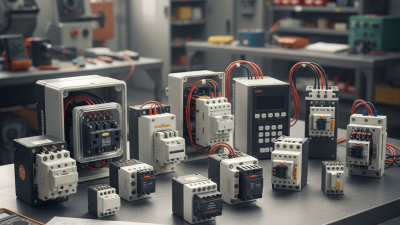
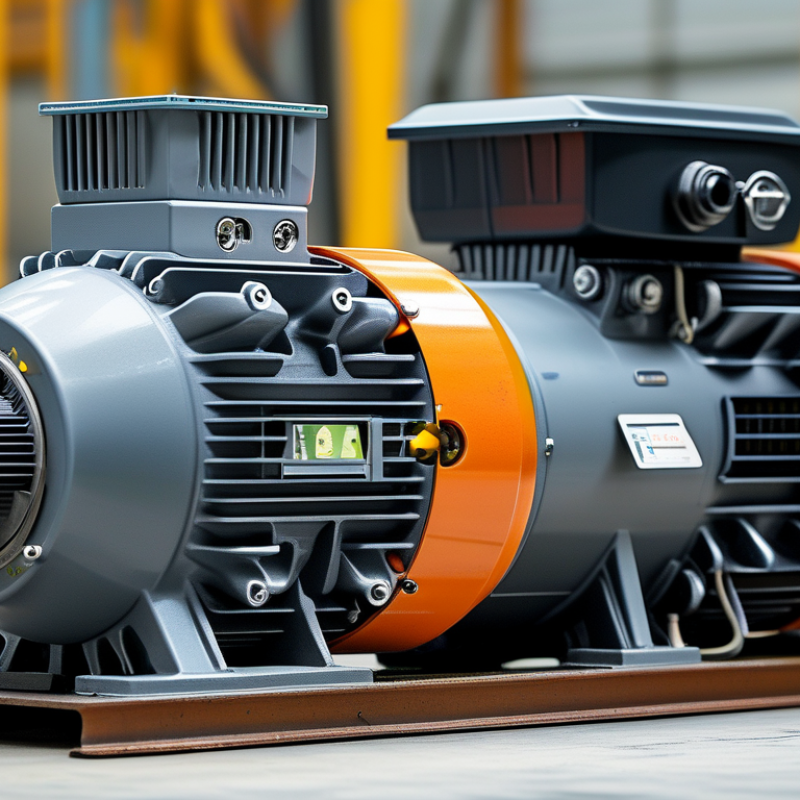
Soft starters are crucial in motor control systems. They help to manage the starting current of motors. This is vital because high inrush currents can damage equipment. A soft starter gradually increases voltage. This allows the motor to start smoothly. It prevents mechanical stress and reduces the risk of failure.
Incorporating soft starters can enhance energy efficiency. By minimizing power spikes, they lower energy consumption. This is beneficial for both operational costs and the environment. Moreover, soft starters can provide better control over motor speed and torque. This helps in optimizing the performance of various applications. However, their integration can be complex. It requires careful planning to ensure compatibility with existing systems.
Despite their advantages, relying solely on soft starters is not without challenges. They may need regular maintenance to ensure reliable performance. Operators must also undergo training to utilize soft starters effectively. Ensuring that all operators understand the capabilities and limitations can be crucial for success. Ultimately, soft starters are valuable tools in motor control, but they should be part of a broader strategy for optimal performance.
Energy Savings Achieved Through Soft Starter Implementation
Soft starters are increasingly popular in motor control due to their ability to enhance energy efficiency. By gradually ramping up the motor's speed, these devices reduce the inrush current that typically occurs when motors start at full power. This soft start process not only minimizes mechanical stress but also leads to significant energy savings. Over time, these small changes can translate into substantial reductions in electricity costs, which is critical for many businesses.
Implementing soft starters can be a transformative decision, but it is important to consider the initial investment. While they often pay off in reduced energy bills, the upfront cost can be a barrier for some. Additionally, regular maintenance is essential to ensure optimal performance. If issues are left unaddressed, the benefits may diminish.
Another aspect is the environmental impact. Energy-efficient motors create less waste and reduce carbon footprints. However, not every application is suited for soft starters. In some cases, traditional methods may still be more efficient. Careful evaluation of specific needs is crucial for ensuring that soft starters are a beneficial addition to your motor control strategy.
Reduction of Inrush Current in Motor Operations
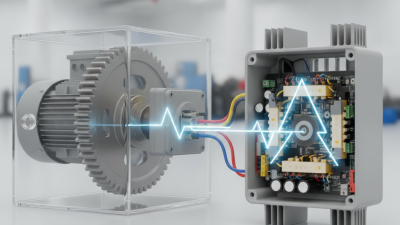
Soft starters play a crucial role in controlling inrush currents when motors start. When an electric motor is powered, it can draw up to six times its full load current. This surge, known as inrush current, can damage motor windings and impact the power supply. Implementing soft starters effectively reduces this initial spike by gradually ramping up the voltage. Studies show that this can decrease inrush currents by up to 50%, significantly enhancing motor lifespan and reliability.
Lowering the inrush current not only benefits the motors but also improves overall system efficiency. A report by the U.S. Department of Energy highlights that managing inrush currents can contribute to energy savings of 20% or more in industrial settings. This reduction leads to less strain on transformers and other electrical components, decreasing maintenance costs. However, some practitioners overlook the long-term advantages of using soft starters, focusing primarily on initial installation costs. This shortsighted approach can ultimately compromise an operation’s energy efficiency and cost-effectiveness.
Additionally, the integration of soft starters can lead to reduced mechanical stress. This is vital in applications where sudden loads can lead to equipment failure. While the initial outlay for soft starters may seem daunting, the return on investment in terms of energy savings and maintenance reduction can be substantial. Understanding the intricacies of inrush current management is essential for optimizing motor performance and sustainability in industry.
Impact of Soft Starters on Motor Longevity and Maintenance Costs
Soft starters are increasingly adopted in motor control systems. They help manage the electrical start of motors, reducing initial inrush current. This can lead to significant improvements in energy efficiency. But a major benefit often overlooked is their impact on motor longevity and maintenance costs.
When a motor starts without a soft starter, it experiences a sudden surge of torque. This can lead to mechanical stress on components. Over time, this stress contributes to wear and tear. With soft starters, the acceleration is gradual. This reduces the strain on the motor and connected machinery. Consequently, components last longer, reducing replacement frequency.
Maintenance becomes less frequent as well. Traditional motor starters may require regular checks and overhauls. Soft starters, however, require less intervention. This not only saves time but also cuts costs in labor and parts. While soft starters may have higher initial costs, the long-term savings in maintenance and replacement can be substantial. Organizations must weigh these factors when considering motor control solutions.
Industry Adoption Trends and Case Studies on Soft Starter Efficiency
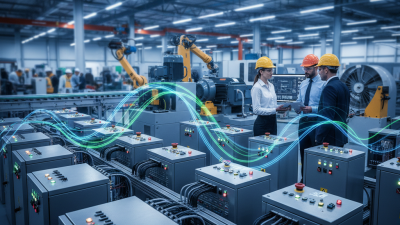
The adoption of soft starters in various industries has gained traction due to their energy efficiency and motor control benefits. In manufacturing, soft starters help reduce the high inrush currents that can damage motors. This technology enables smoother motor starts, minimizing mechanical stress on equipment. As a result, businesses report less downtime and lower maintenance costs.
Case studies illustrate the tangible benefits of soft starters across different sectors. For example, in pump applications, soft starters lead to a significant decrease in energy consumption during start-up phases. Facilities have noticed reductions in peak demand charges, which enhances overall energy savings. However, some case studies point to challenges, such as incorrect sizing of soft starters for specific applications. This issue can lead to operational inefficiencies and unexpected costs.
In the food and beverage industry, soft starters are utilized for conveyor systems. By controlling the speed of the conveyor motors, companies achieve better product handling. Yet, improper installation or programming can complicate the intended benefits. Ensuring that staff are adequately trained is crucial for realizing the potential gains from this technology. Ultimately, the integration of soft starters requires thoughtful planning and execution.
 Skip to content