What is a Soft Starter and How Does it Work?
Soft starters are essential devices in the world of electrical engineering. They help to control the speed and torque of electric motors during startup. By smoothly ramping up the voltage, soft starters minimize mechanical stress. This process extends the life of the motor and connected equipment.
The technology behind soft starters is fascinating. They allow for a gradual increase in motor power, preventing sudden surges. This feature is crucial, especially in heavy machinery. It reduces the risk of damage caused by abrupt starts. However, some users may not fully understand how they work. Misinformation can lead to ineffective applications.
In many industrial settings, the use of soft starters is becoming more common. Their reliability makes them a popular choice for various applications. Yet, there are still misconceptions about their limitations. Users often wonder about the need for additional protection devices. It is essential to explore these aspects to harness their full potential effectively.
What is a Soft Starter?
A soft starter is a crucial device used in electrical applications, particularly with AC motors. It helps control the starting and stopping of the motor, reducing mechanical stress. This process enhances both the lifespan of the motor and the overall efficiency of the system. According to a report by the Electrical Engineering Institute, implementing soft starters can lower peak starting currents by up to 60%. This helps in preventing voltage dips that could affect other equipment in the electrical grid.
Soft starters function by gradually increasing the voltage supplied to the motor. This controlled increase minimizes the sudden surge of power that can lead to wear and tear over time. They are especially beneficial in applications like pumps, fans, and compressors. Interestingly, while soft starters are effective, they do come with limitations. They may not provide the necessary full torque during the start-up phase. This limitation can lead to scenarios where the motor struggles to reach its optimal performance level.
In practical applications, soft starters can face challenges, such as compatibility with existing systems. Not every motor setup can benefit from a soft starter due to varying electrical requirements. Additionally, some industries find that the initial cost and installation effort discourage the adoption of soft starters. Despite these hurdles, for many, the long-term efficiency gains and reduced maintenance needs become a compelling reason to integrate soft starters into their operations.
Soft Starter Usage in Industrial Applications
This bar chart illustrates the percentage usage of soft starters across different industrial applications. The data reflects the growing preference for soft starters to control motor start-up and reduce mechanical stress.
Key Components of a Soft Starter
A soft starter is an essential device in modern electrical systems. It helps to control the start-up of electric motors. By managing voltage and current, it reduces mechanical stress and prolongs the life of equipment.
Key components of a soft starter include contactors, control circuits, and bypass circuits. The contactors connect and disconnect the motor. They play a crucial role in the starting and stopping process. Control circuits regulate the voltage supplied to the motor. This regulation is vital for achieving a smooth start. The bypass circuits, on the other hand, allow the motor to operate at full voltage once it reaches a certain speed.
In practice, choosing a soft starter requires understanding the specific application. It’s not always straightforward. Many factors, such as motor size and load type, must be considered. Not all systems respond the same way. Therefore, trial and error often come into play. Engineers frequently review both performance and efficiency after installation. They may realize adjustments are necessary to optimize results.
What is a Soft Starter and How Does it Work? - Key Components of a Soft Starter
| Component |
Function |
Benefits |
| Power Circuit |
Controls the voltage and current flow to the motor |
Reduces mechanical stress on components |
| Control Circuit |
Monitors and adjusts the starting procedure of the motor |
Enhances operational safety and efficiency |
| Current Limiter |
Limits the inrush current during start-up |
Protects against overload conditions |
| Bypass Contactor |
Allows direct power after motor reaches operating speed |
Decreases energy consumption during normal operation |
| Integrated Protection |
Protects against overheating and overcurrent |
Increases the lifespan of the motor |
How Does a Soft Starter Work?
A soft starter is an important device in motor control. It helps to reduce the inrush current during motor startup. This prevents mechanical stress on the motor and connected equipment. It gradually increases voltage and reduces current. This process ensures a smoother start and extends equipment life.
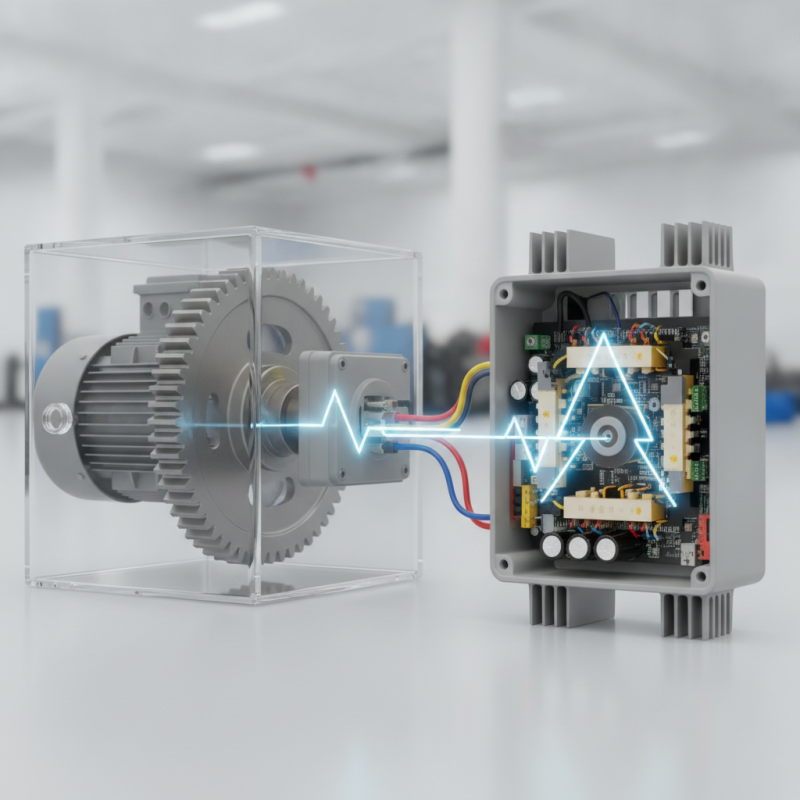
The main working principle of a soft starter relies on solid-state electronics. These components control the voltage supplied to the motor. By using a thyristor circuit, the soft starter gradually adjusts the output. This results in a slow ramp-up of motor speed and torque. The soft starter will then bring the motor to full speed without sudden jolts.
Tips: Always monitor the soft starter during operation. Unexpected behavior can indicate issues. Regular maintenance is key to ensuring reliability. Additionally, consider environmental conditions affecting performance. High humidity or dust can lead to inefficiencies. Always have a backup plan in case of device failure. Staying prepared can mitigate risks.
Benefits of Using a Soft Starter
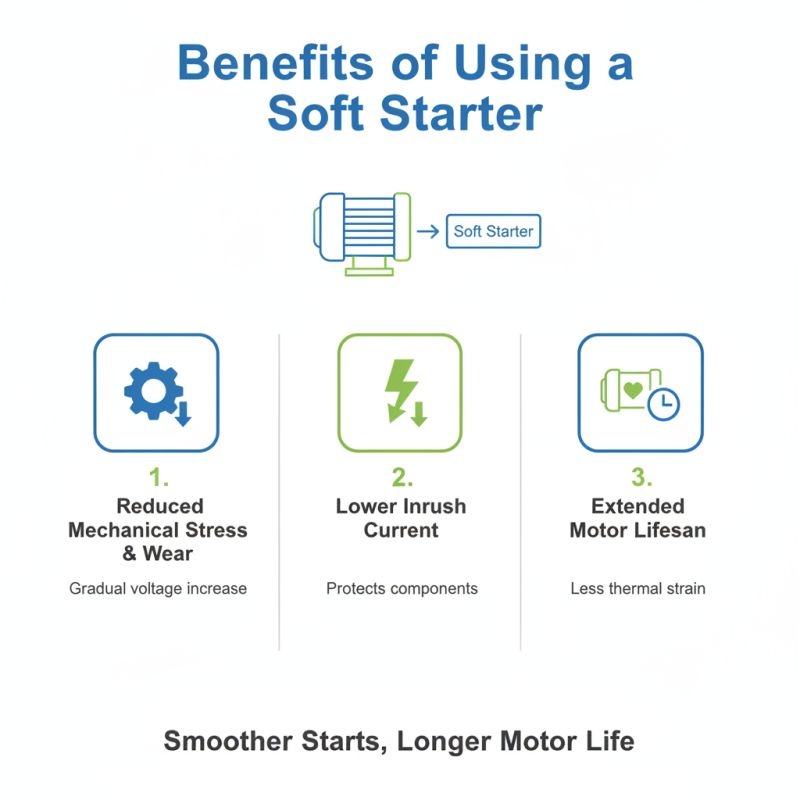
A soft starter is an essential device for controlling motor start-up. It gradually increases the voltage, reducing inrush current and stress on mechanical components. This gradual ramp-up helps minimize wear and tear. Consequently, motors experience less thermal strain and live longer.
Using a soft starter brings several benefits. First, it enhances energy efficiency. When a motor starts slowly, it draws less current. This lowers energy costs and reduces power surges. Moreover, it protects gears and couplings. Gradual engagement means less shock loading. Equipment can operate more smoothly, resulting in fewer breakdowns.
Soft starters also improve system reliability. They reduce the risk of electrical disturbances. This ensures a stable power supply for other equipment. However, not all applications may benefit from a soft starter. Some systems require rapid starts, which could limit performance. It’s important to evaluate the specific needs of your operations before implementation. Balancing the advantages against potential limitations is crucial for optimal results.
Applications of Soft Starters in Industry
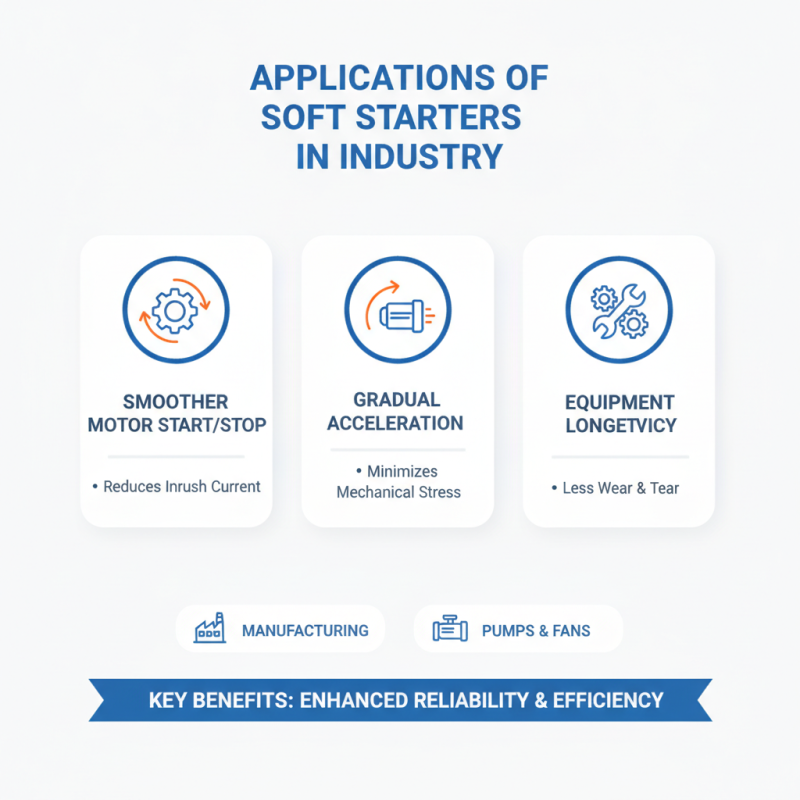
Soft starters play a vital role in industrial applications by controlling the starting and stopping of electric motors. They help reduce the inrush current, which can otherwise lead to mechanical stress and electrical issues. In industries like manufacturing and pumps, soft starters allow for a smoother ramp-up in speed. This gradual acceleration helps enhance the longevity of equipment and minimizes wear.
In concrete plants and conveyor systems, soft starters are commonly used. They provide a controlled start for heavy machinery. This control is essential when dealing with large loads. However, inadequate adjustments could lead to inefficiencies. Some facilities might struggle to fine-tune their soft starters, resulting in unexpected downtime.
Another application is in HVAC systems, where soft starters ensure efficient operation of fans and compressors. The gentle start-and-stop feature reduces energy consumption. Yet, some companies may overlook regular maintenance of these devices. Neglecting this can lead to decreased performance and potential failures. Reflecting on these aspects can help industries harness the full potential of soft starters while acknowledging the need for ongoing assessment.
 Skip to content