 Skip to content

10 Power Switch Buying Tips for Global Buyers?
Buying power switches for international equipment requires more than comparing prices on a supplier website. A switch may look suitable in a product photo, yet fail under heat, vibration, moisture, or repeated switching. Global buyers must examine voltage ratings, current capacity, contact materials, actuator design, protection features, and expected service life. Small details matter. A loose terminal can stop an entire machine.
This guide presents ten practical buying tips based on common sourcing and engineering concerns. Start with the real application, not the catalog title. Record the load type, operating temperature, installation space, switching frequency, and enclosure conditions. Then compare datasheets from established manufacturers and request traceable test information. Certifications should match the destination market and equipment category. Independent laboratory reports can strengthen supplier claims, but buyers should still verify document numbers and product markings.
Samples deserve careful attention. Test several units under realistic loads, including startup current and extended operation. Measure heat around terminals and listen for abnormal arcing or mechanical noise. Supplier audits, production samples, warranty terms, and replacement availability also influence total cost. A low unit price can become expensive after delays, redesigns, or field failures.
No checklist is perfect. We may overlook a condition that appears only after months of use. That is why engineering review, supplier communication, and documented inspection remain essential. Ask clear questions. Keep written records. A reliable decision combines technical evidence, practical experience, and cautious judgment, helping global buyers select power switches that perform consistently across markets and applications.
Define the Power Switch Type, Rating, and Intended Application
Power Switch Buying Tips for Global Buyers
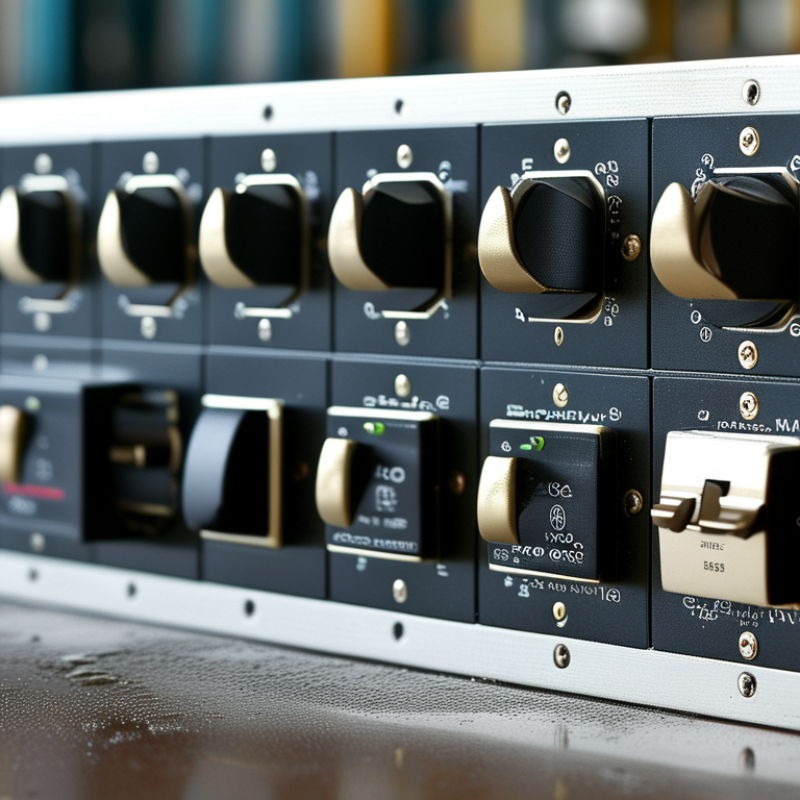
Define the power switch type before comparing prices. A rocker switch suits simple on/off control, while a push-button switch fits momentary operation. Toggle switches can work well where operators need visible mechanical feedback. For equipment exposed to dust or moisture, check the enclosure rating carefully. A switch that looks robust may still fail in a damp control cabinet.
Tip: Match the electrical rating to the real load, not only the label. Motors, heaters, and lighting can create different starting currents. Confirm the voltage, continuous current, inrush current, and switching frequency. Direct-current loads may also produce stronger arcs than expected. I have seen buyers select a rating based on normal current, then face early contact wear. That mistake is easy to make.
Tip: Define the intended application in physical detail. Note the panel thickness, available space, terminal direction, operating temperature, vibration, and cleaning process. A compact switch may save room but provide poor glove access. A low-cost part may also require frequent replacement. Check relevant test reports and installation instructions from reliable suppliers. Ask for samples when the application is unusual. Testing one switch under real conditions can reveal more than a polished specification sheet. Some assumptions will be wrong. That is useful to discover early.
10 Power Switch Buying Tips for Global Buyers? - Define the Power Switch Type, Rating, and Intended Application
| No. | Buying Tip | Recommended Specification | Key Data or Selection Range | Why It Matters | Application Example |
|---|---|---|---|---|---|
| 1 | Define the switch type | Choose rocker, toggle, push-button, rotary, slide, or emergency-stop design. | Use maintained switches for steady ON/OFF control; use momentary switches for pulse or trigger functions. | The operating mechanism determines user interaction, panel layout, and circuit behavior. | Rocker switch for equipment power; push-button for control panels; emergency-stop for machinery. |
| 2 | Match the voltage rating | Select an AC or DC voltage rating equal to or above the circuit voltage. | Typical categories include extra-low-voltage DC control circuits and 120–240 V AC equipment circuits. | AC and DC loads interrupt differently; a switch rated for AC may not have the same DC switching capability. | 24 V DC automation controls or 230 V AC indoor equipment, subject to local electrical requirements. |
| 3 | Check the current rating | Choose a rating above the normal operating current and consider inrush current. | Common panel-switch ratings range from low-level signal loads to approximately 10–20 A resistive loads, depending on construction. | Motors, transformers, lamps, and power supplies can draw substantially higher starting current than their steady-state current. | Use a suitably rated switch for a motor starter control circuit rather than switching the motor directly without verification. |
| 4 | Select the number of poles and throws | Specify SPST, SPDT, DPST, DPDT, or another required contact arrangement. | SPST controls one circuit; DPST switches two conductors; SPDT transfers one common circuit between two outputs. | Incorrect pole or throw selection can leave a conductor energized or prevent the required changeover function. | DPST may be used where two conductors must be disconnected together, subject to the applicable wiring rules. |
| 5 | Verify the load category | Confirm whether the load is resistive, inductive, capacitive, motor, lamp, or electronic. | Use the manufacturer’s load-category rating instead of relying only on a general ampere value. | Contact arcing and wear vary significantly according to the type of load being switched. | A switch for a heater may not be appropriate for a compressor, LED driver, or other inductive load. |
| 6 | Choose the correct mounting format | Match panel cutout, mounting method, terminal style, and available installation depth. | Common options include panel-mount, PCB-mount, snap-in, threaded bushing, and surface-mount designs. | Mechanical incompatibility can cause loose installation, damaged terminals, or insufficient clearance. | Use a snap-in panel switch for a prepared enclosure cutout or a PCB switch for a compact control board. |
| 7 | Assess environmental protection | Select an appropriate IP rating and sealing construction for dust, water, and cleaning exposure. | IP20 is intended for basic indoor protection; higher ratings such as IP65 provide stronger dust and water-jet protection when properly installed. | The enclosure, gasket, cable entry, and installation method all affect the achieved protection level. | Use a sealed panel switch for outdoor equipment or washdown areas only when the complete assembly meets the required rating. |
| 8 | Review electrical and safety compliance | Request applicable test reports, declarations, markings, and documentation for the destination market. | Review relevant requirements such as IEC 61058-1 for appliance switches or IEC 60947-5-1 for control-circuit devices, as applicable. | Regulatory requirements differ by product category, voltage, installation environment, and destination country. | Industrial control equipment may require a different compliance route from a household appliance. |
| 9 | Confirm operating life and temperature range | Compare mechanical life, electrical life, operating force, and rated ambient temperature. | Typical specifications may state thousands to hundreds of thousands of mechanical cycles; electrical life is often lower under load. | Frequent operation, vibration, heat, and cold can reduce reliability if the switch is underspecified. | High-cycle operator panels need a switch tested for the expected number of daily operations. |
| 10 | Evaluate terminals, logistics, and total cost | Check terminal compatibility, wire size, packaging, minimum order quantity, lead time, and replacement availability. | Compare screw, quick-connect, solder, or wire-lead terminals; verify customs documents and shipment protection for international orders. | A low purchase price can be offset by installation labor, transport damage, stock shortages, or difficult field replacement. | For global projects, standardize the part specification and keep a documented equivalent approved before mass purchasing. |
Note: Electrical ratings, certifications, IP protection, and service life must be verified against the selected switch’s official technical documentation and the regulations applicable to the installation location.
Related Posts
-
How to Choose the Right Power Switches for Your Electronic Projects?
-
Top Power Switch Types Explained for Efficient Energy Management?
-

Top Power Switch Trends in 2026 What You Need to Know?
-

Top Power Switch Types for Everyday Use and Their Applications?
-

Top 10 Types of Power Switches for Global Buyers?
-

Why Are Power Switches Essential for Your Smart Home Setup?