Top Power Switch Trends in 2026 What You Need to Know?
As we transition into 2026, the landscape of power switch technology is evolving rapidly. Power switches are critical components in various applications, ranging from consumer electronics to industrial machinery. Understanding the emerging trends in this field can ensure optimal performance and longevity of devices.
Innovations in power switch design focus on efficiency, safety, and reliability. Integration of smart technologies enhances functionality, yet raises questions about security and complexity. The rise of eco-friendly options aligns with global sustainability goals, but concerns about cost and implementation persist.
Keeping track of these developments is essential for manufacturers and consumers alike. Awareness of the latest power switch trends could influence purchasing decisions. Balancing performance and energy efficiency remains pivotal in driving future innovations. Engaging with these insights can lead to informed choices and advances in technology.

Emerging Technologies Driving Power Switch Innovations in 2026
In 2026, power switch innovations will be propelled by several emerging technologies. These advancements focus on energy efficiency and increased performance. Designers and engineers are exploring new materials, such as silicon carbide and gallium nitride. These materials can withstand higher voltages and temperatures, making them ideal for modern applications.
Another key trend is the integration of smart technology into power switches. With IoT capabilities, these devices can communicate with each other. They monitor energy use and optimize performance in real-time. These features enhance reliability and sustainability, but they raise concerns about cybersecurity. Vulnerabilities in smart systems need careful consideration and protection.
Furthermore, power switches are becoming more compact and modular. Designers aim to reduce size without sacrificing functionality. However, miniaturization presents engineering challenges. Balancing size and performance is crucial. Companies must frequently reassess their approaches to ensure optimal designs. Overall, the landscape of power switches is evolving rapidly. Staying aware of these trends is essential for industry professionals.
Key Market Trends Influencing Power Switch Demand and Supply
In 2026, the power switch market is shaped by several key trends influencing both demand and supply. The global market is expected to reach $20 billion, growing at a CAGR of 5.5% from 2024 to 2026. One notable factor driving this growth is the surge in renewable energy sources. As solar and wind power installations increase, the need for efficient power switches rises correspondingly. Manufacturers must adapt, facing challenges in scalability and technology integration.
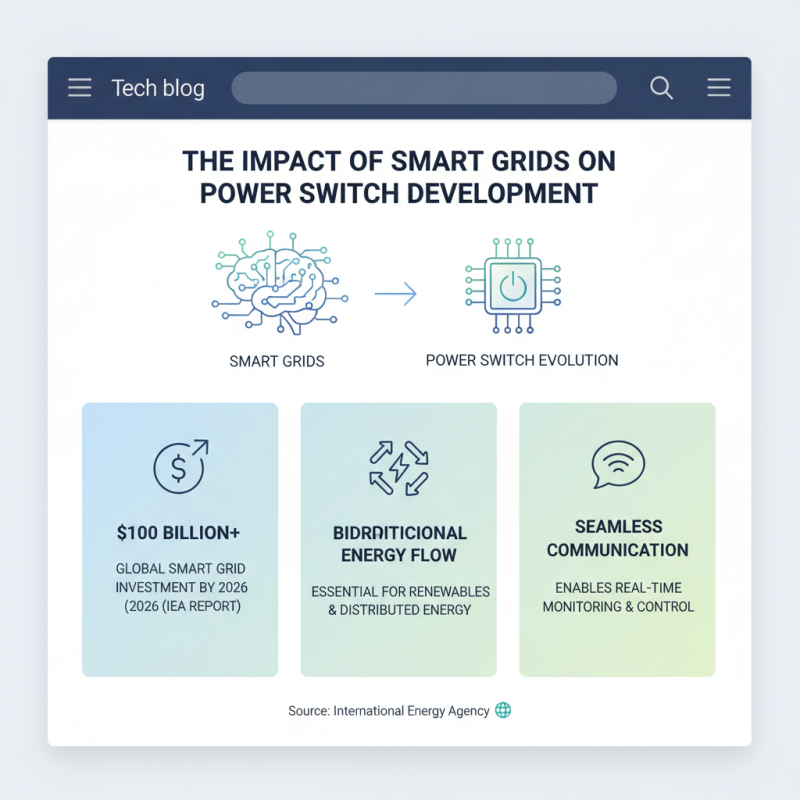
Additionally, increasing energy efficiency regulations are pushing suppliers to innovate. The International Energy Agency reports that improved switch technology can reduce energy consumption by 15% or more. However, many companies are struggling to meet these new standards. The rapid transition to smart grid technology enhances the demand for more advanced power switches. Despite opportunities, there is a significant gap in the market. Some manufacturers still rely on outdated designs, creating a lack of trust in reliability and effectiveness.
Changing consumer preferences also shape the landscape. There is a higher demand for compact and user-friendly designs. Yet, accommodating reduced sizes while maintaining efficiency is complex. Stakeholders must navigate these shifting requirements while ensuring compliance and performance. The future of power switches in this evolving market hinges on the ability to innovate and adapt effectively.
Sustainability and Energy Efficiency in Power Switch Design
In 2026, sustainability in power switch design will significantly shape the industry. Emerging reports estimate that energy-efficient power switches can reduce consumption by up to 30%. This shift is crucial, given the global push for greener technologies. As industries focus on reducing their carbon footprints, power switches will become more integrated with renewable energy sources.
New designs are prioritizing materials that minimize environmental impact. Many manufacturers are exploring biodegradable components and recyclable materials. This approach can lead to less electronic waste. Innovations in design and efficiency are vital. Reports show that energy efficiency improves product lifespan and performance.
Yet, challenges remain. Some manufacturers struggle to balance cost and sustainability. Economic pressures can lead to compromises in quality. Adopting energy-efficient designs often requires investment and time. It's essential to challenge current practices and push for better solutions. The commitment to sustainability in power switch development will define the future landscape. Industry leaders must embrace this change to meet both environmental goals and market demands.
Future Prospects: Challenges and Opportunities in Power Switch Market
The power switch market is evolving rapidly. As we approach 2026, challenges and opportunities arise. The demand for smarter, more efficient switches is increasing. Manufacturers face pressure to innovate. Sustainability is becoming a crucial focus. Consumers want eco-friendly options that reduce energy consumption.
However, this transition is not without hurdles. Supply chain issues might hinder production. Raw material scarcity can raise costs. Additionally, the rapid pace of technology development presents challenges for staying relevant. Companies must pivot quickly. They need to adapt to changing consumer preferences and regulations. Achieving energy efficiency while maintaining performance remains a delicate balance.
The future is bright yet complex. Opportunities lie in developing advanced materials and smart technologies. Power switches could integrate with IoT, enhancing user control. Emerging markets also present growth potential. However, companies must remain flexible. Adapting strategies and embracing innovation will be crucial for success in the coming years.
 Skip to content