What is a Motor Starter and How Does it Work?
In the world of industrial automation, motor starters play a crucial role in controlling motor performance. According to industry expert Dr. Emily Rivers, "Motor starters are the unsung heroes of motor management." These devices ensure smooth starts while protecting motors from overload and other electrical issues.
Motor starters come in various types, including direct on line, star-delta, and soft starters. Each type serves a specific purpose, adapting to different industrial needs. For instance, a soft starter gradually increases motor voltage, reducing mechanical stress. This feature can prevent equipment damage and extend motor life, a point often overlooked in manufacturing.
Despite their importance, many still underestimate the complexity of motor starters. Electromechanical components work in tandem to provide reliable performance. It’s essential to consider factors such as environmental conditions and load characteristics, as they can impact motor starter effectiveness. Understanding these elements is vital in ensuring optimal operation and longevity of motors across various applications.
Definition and Purpose of a Motor Starter
A motor starter is an essential device in various electrical systems. Its primary function is to manage the operation of electric motors. By controlling the current flow, it helps prevent damage during startup and ensures smooth operation. When a motor is powered on, a surge of current can occur. This surge can be detrimental to both the motor and the electrical components it interacts with. A motor starter mitigates these risks by gradually introducing electrical supply.
The main purpose of a motor starter goes beyond mere control. It provides protection against overloads and short circuits. This functionality is critical in industrial settings where heavy machinery is involved. High-quality motor starters can monitor operational parameters. They can trigger alarms or shut down the system when necessary. This proactive approach prevents costly downtime and equipment failure. However, not all motor starters perform equally. Some may lack features like thermal overload protection, leading to unexpected failures.
Additionally, installation and maintenance play vital roles in motor starter performance. A poorly installed starter may lead to inefficiencies or even hazards. Regular checks can ensure it operates optimally. Users sometimes overlook these factors, focusing solely on the motor. A holistic view that includes the starter is crucial for long-term reliability. Choosing the right motor starter can be challenging. Factors like motor size, application type, and environmental conditions come into play. Ultimately, understanding the motor starter's importance is key for efficient motor operation.
Motor Starters: Types and Their Purpose
This chart illustrates the various types of motor starters and their respective applications in units sold. Direct On Line starters are the most commonly used, followed by Soft Starters and Star-Delta starters. Variable Frequency Drives are also utilized but to a lesser extent.
Types of Motor Starters and Their Applications
Motor starters are crucial components in industrial applications. They manage the electrical supply to motors. Different types of motor starters are available, each suited for various tasks.
Direct-On-Line (DOL) starters are among the simplest. They connect motors directly to the power supply. This type is effective for small motors, generally under 5 horsepower (HP). However, they can cause electrical spikes during startup. Soft starters, on the other hand, gradually increase voltage, reducing mechanical stress. They are ideal for larger motors, particularly those exceeding 10 HP. According to industry data, soft starters can enhance equipment lifespan by up to 30%.
Starters with overload protection are essential for preventing damage. They automatically disconnect when detecting overheating. This feature is crucial, especially in environments with variable load conditions. Across various sectors, including manufacturing and HVAC, the use of these starters is increasing.
Reports indicate a significant rise in the adoption of smart motor starters in recent years, driven by the push for energy efficiency and automation in industrial processes.
For optimal performance, always consider the motor's specific application. Assess voltage requirements and load characteristics. Regular maintenance helps ensure the starter operates effectively. This can prevent unexpected downtime and costly repairs. Ensure that your setup complies with safety regulations to avoid potential hazards.
Electrical Components Involved in Motor Starters
Motor starters are essential for controlling electric motors. They protect motors from damage and ensure smooth operation. Understanding their electrical components is crucial for anyone involved in motor management.
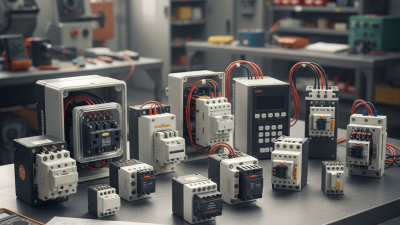
A motor starter typically includes contactors, overload relays, and control circuits. Contactors act as switches that start or stop the motor. They handle high current without overheating. Overload relays protect the motor from running under excessive load. They disconnect the supply when necessary. Control circuits often use push buttons to control the operation easily. The integration of these components helps in enhancing safety and performance.
When working with motor starters, keep safety in mind. Regularly inspect connections for wear. Look for frayed wires or signs of overheating. This can prevent serious failures. Learning about your system can save time and money. Understanding how each component interacts can improve maintenance practices. Always prioritize quality components; they can significantly impact longevity and reliability.
How Motor Starters Operate Mechanically and Electrically
Motor starters play a crucial role in the operation of electric motors. They provide the necessary current to start the motor while protecting it from overloads. Mechanically, motor starters consist of contactors and overload relays. The contactors act as switches that can handle the high power needed to start the motor. When activated, they close the circuit and energize the motor.
Electrically, motor starters use a control circuit to regulate the amount of power. When the start button is pressed, a small voltage energizes the coil in the contactor. This coil creates a magnetic field that draws in the contactor's armature, closing the electrical contacts. Once the motor runs, the overload relay monitors current levels and interrupts the circuit if the current exceeds a safe threshold.
Sometimes, motor starters can fail to operate correctly. Issues can arise due to faulty connections or degraded components. Regular inspection and maintenance are essential to ensure reliability. Understanding both mechanical and electrical aspects enhances one’s ability to troubleshoot effectively. Mistakes happen, and learning from them is key to mastering motor starter systems.
What is a Motor Starter and How Does it Work?
| Dimension |
Description |
| Function |
Controls the starting and stopping of electric motors. |
| Type |
Electromechanical devices usually classified as contactors or relays. |
| Components |
Includes contactor, overload relay, control circuit, and potential transformer. |
| Operation Principle |
Electrically energizes a coil that closes contacts to start the motor. |
| Protection Features |
Overload protection to prevent motor damage from excessive current. |
| Applications |
Used in industrial, commercial, and residential electrical systems. |
Benefits of Using Motor Starters in Electrical Systems
Motor starters play a vital role in modern electrical systems. They provide protection and control for electric motors by managing the initial start-up process. A properly functioning motor starter can reduce wear on motor components, increasing their lifespan. According to industry reports, up to 30% of motor failures could be attributed to improper starting conditions.
Using motor starters results in several benefits. First, they help prevent electrical faults that could lead to costly downtime. A motor starter can limit inrush current, which, if uncontrolled, could trip circuit breakers. Additionally, motor starters often integrate features like overload protection and thermal monitoring. These elements enhance operational safety and efficiency. In fact, a study by the Institute of Electrical and Electronics Engineers highlights that systems with motor starters can improve energy efficiency by up to 20%.
However, not all applications may require a motor starter. Small motors may operate effectively without one, raising questions about cost vs. benefit in certain scenarios. It's essential to evaluate specific needs for your electrical systems. Regular assessment and adjustments of motor starter settings can yield improved reliability while curbing inefficiencies.
 Skip to content