China Top Electric Power Distribution Suppliers?
China’s electric power distribution market is changing quickly. Industrial parks, data centers, renewable projects, and urban infrastructure all require stronger local networks. Suppliers must deliver more than transformers and switchgear. They must support safety, monitoring, maintenance, and stable performance under demanding conditions.
Massoud Amin, a recognized power-grid reliability scholar, has said, “The electric power grid is the largest machine ever built.” His observation explains why supplier selection requires careful evidence. A credible company should demonstrate tested equipment, qualified engineers, consistent production, and practical experience with complex installations. ISO certifications may help, but certificates alone cannot prove field reliability. Buyers should also examine protection systems, voltage ratings, delivery records, after-sales response, and compatibility with smart-grid platforms.
This guide explores China’s top electric power distribution suppliers through those practical measures. It considers manufacturers of transformers, medium-voltage switchgear, low-voltage panels, circuit breakers, busways, and digital monitoring systems. Factory scale matters. So do laboratory testing, traceability, and service coverage.
No supplier is perfect. That matters.
Some companies excel at large utility projects but provide limited support for smaller sites. Others offer competitive pricing yet reveal less information about long-term maintenance. Product brochures can look impressive under bright showroom lights, while real performance depends on heat, dust, humidity, and operator training. Therefore, this overview avoids relying on popularity alone. It compares technical capability, project experience, responsiveness, and transparent documentation. Readers should verify current certifications and references before making a purchasing decision.
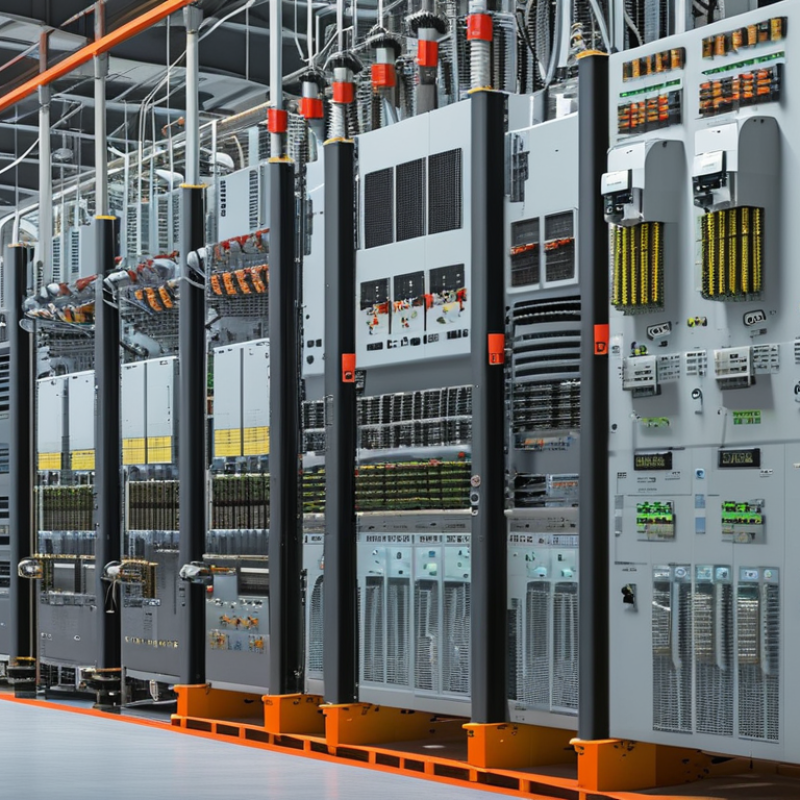
China’s Power Grid Scale: 9.22 Trillion kWh Consumed in 2023
China’s electricity consumption reached 9.22 trillion kWh in 2023, creating strong demand for reliable distribution equipment. This figure reflects more than national growth. It also shows the pressure placed on substations, transformers, switchgear, cables, and protection systems.
The strongest Chinese suppliers usually combine certified manufacturing with practical project experience. Buyers should examine test reports, production records, factory inspections, and after-sales response times. A supplier may offer efficient transformers, compact switchgear, or automated monitoring systems. Yet product quality can vary between production batches. Do not rely only on brochures.
Field conditions matter. A cabinet installed in a coastal substation faces salt air and moisture. A factory feeder may experience heat, dust, and repeated load changes. Good suppliers explain how their equipment handles these details. They also provide clear drawings, spare parts, installation guidance, and maintenance training.
Small details matter most.
During technical evaluations, compare temperature-rise data, insulation performance, short-circuit ratings, and protection coordination. Check whether local standards and project requirements match the offered design. Some procurement decisions focus too heavily on initial price. That can create higher maintenance costs later. The market is competitive, but no supplier is perfect. Independent testing and site references remain necessary before large-scale purchasing.
How Distribution Suppliers Meet China’s GB and IEC Standards
China’s power distribution suppliers increasingly align GB standards with IEC requirements. GB/T 14048.1, for example, corresponds closely with IEC 60947-1 for low-voltage switchgear. GB/T 11022 addresses common requirements for high-voltage switchgear assemblies. However, alignment does not mean automatic acceptance. National deviations, testing procedures, and certification duties still matter.
Demand makes this discipline urgent. The China Electricity Council reported approximately 9.85 trillion kWh of national electricity consumption in 2024, rising about 6.8% year on year. That growth increases pressure on transformers, switchboards, circuit breakers, and protection systems. Reliable suppliers should provide type-test reports, calibrated measurement records, temperature-rise data, short-circuit withstand results, and clear material traceability. They should also map each product clause to the relevant GB and IEC requirement. Details matter.
Field experience shows a certificate alone is not enough. Installation conditions can differ from laboratory assumptions. Humidity, altitude, dust, and frequent switching may change performance. A supplier that reviews site conditions before production demonstrates stronger engineering judgment. Factory acceptance testing should include insulation checks, mechanical operation, protection settings, and visual inspection. Documentation sometimes lags behind physical improvements. That weakness deserves attention. Buyers should verify report validity, test laboratories, revision dates, and after-sales corrective procedures before approving equipment.
State Grid and China Southern Grid: China’s Two Largest Grid Buyers
China’s two largest grid buyers shape the country’s electric power distribution market.
They purchase transformers, switchgear, cables, digital protection systems, and substation equipment at national scale. Their procurement decisions often set technical expectations for suppliers.
China’s electricity demand reached 9.22 trillion kWh in 2023, rising 6.7%, according to National Energy Administration data cited in the IEA’s Electricity 2024 report. The China Electricity Council reported installed generation capacity of about 2.92 terawatts at year-end. These figures explain the pressure on distribution networks, especially around industrial parks, data centers, and fast-growing coastal cities.
In practical tenders, suppliers must prove temperature control, fault isolation, cybersecurity, and long service life. A transformer may sit beside a dusty construction site, while its monitoring system sends data to a control room hundreds of kilometers away. Industry experience shows that low purchase prices cannot offset repeated outages or difficult maintenance.
The procurement model also creates challenges. Smaller manufacturers may meet technical standards but struggle with testing costs, delivery schedules, or regional certification. IEA grid investment analysis supports continued network expansion, yet public data rarely shows the full lifecycle cost of each purchase. That gap deserves more scrutiny. Suppliers should present verified field records, transparent test results, and realistic maintenance plans, not only attractive catalogue specifications.
Top Suppliers: China XD, TBEA, Sieyuan, and CHINT Compared
China’s electric power distribution market includes several capable suppliers, but their strengths are not identical. Four leading manufacturers often compared in international projects show clear differences in product focus, engineering depth, and service reach. One supplier is strongest in high-voltage transmission equipment and large grid projects. Another has broad transformer capacity and strong manufacturing scale. A third is known for testing systems, substations, and customized electrical solutions. The fourth focuses more on low-voltage distribution, control devices, and commercial installations.
Project experience shows that product quality is only one part of the decision. Buyers should examine factory audits, type-test reports, material traceability, and after-sales response times. Ask for recent project references. Check the details.
For a utility-scale substation, engineering documentation and long-term reliability may matter most. A transformer supplier should explain load performance, cooling design, noise levels, and maintenance intervals clearly.
Smaller industrial users may value compact cabinets, simple installation, and readily available spare parts. Certification also requires careful review because approval standards differ between markets.
Some suppliers communicate well during bidding but respond slowly after delivery. That gap can create real costs. I would compare warranty terms, local technicians, delivery records, and replacement procedures before selecting a partner. Price deserves attention, but an unusually low quote may hide thinner testing or limited service coverage. Even experienced buyers can overlook this.
Supplier Evaluation: Capacity, Certifications, Export Reach, and Service Data
China Top Electric Power Distribution Suppliers?
Supplier evaluation should begin with measurable capacity, not catalogue size.
The IEA Electricity 2024 report forecasts global electricity demand growth of about 4% in 2024 and 2025. This pressure increases demand for reliable switchboards, transformers, and control panels. Check factory output by product type, monthly production records, testing equipment, and documented factory acceptance tests. A large workshop proves little without traceable inspection data. Ask for IEC 61439 test evidence, relevant IEC protection results, and ISO 9001 certification. ISO 14001 can also indicate controlled environmental practices. Certifications need verification.
Export reach requires more than a shipment map.
Review recent customs records, destination-country approvals, packing photographs, and delivery performance by region. The World Bank Logistics Performance Index 2023 places China among the stronger logistics performers, but supplier-level delivery data still matters more. Request on-time delivery rates, damage claims, average transit delays, and spare-parts availability. Service evidence should include first-response time, remote troubleshooting records, warranty closure time, and annual failure rates. Numbers matter more. A 98% acceptance rate sounds strong, yet the definition may exclude field failures. That is an uncomfortable gap. Evaluate it openly. Personally, I would score transparent negative data higher than polished claims, because real projects always produce some defects.
 Skip to content