What is WPC Wall Cladding and Why Choose It?
WPC Wall Cladding has gained significant popularity in the construction industry. It combines wood and plastic fibers to create durable and visually appealing surfaces. According to a report by MarketsandMarkets, the WPC market is expected to reach USD 10.25 billion by 2027, growing at a rate of 10.3% annually. This rapid growth highlights the shift towards sustainable building materials.
The advantages of WPC Wall Cladding are numerous. It offers resistance to weather, insects, and rot, making it ideal for various architectural applications. However, some critics argue that WPC may not always achieve the natural elegance of solid wood. While it requires less maintenance, it may still need periodic inspections to ensure longevity.
Investing in WPC Wall Cladding could be a practical choice for those seeking modern design and functionality. It's essential to weigh both its benefits and limitations. By choosing WPC, homeowners and builders can embrace innovation while also addressing environmental concerns.
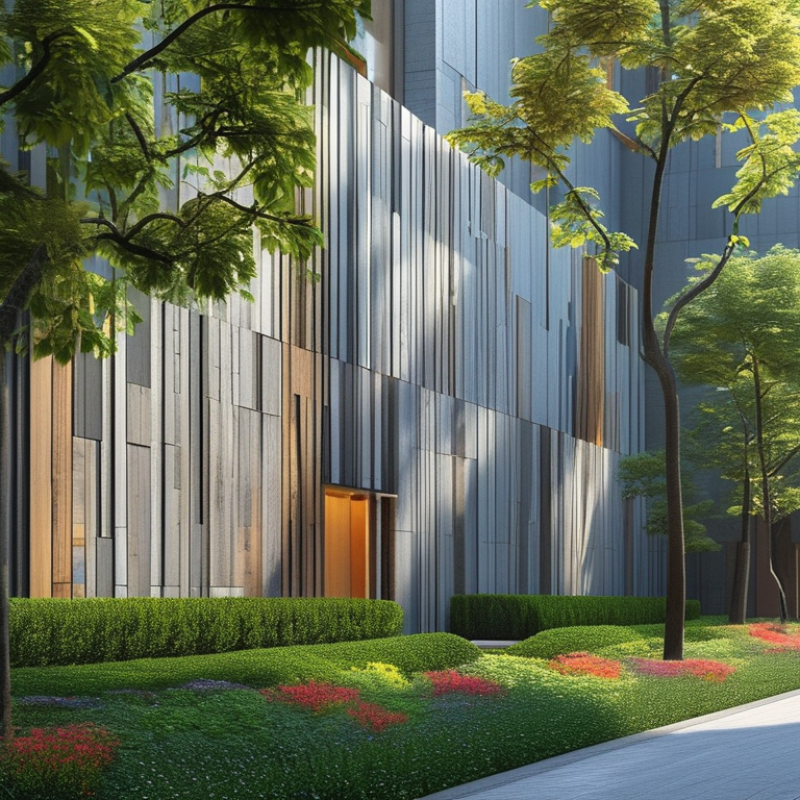
What is WPC Wall Cladding?
WPC wall cladding, or wood-plastic composite wall cladding, combines wood fibers and plastic. This material is popular for both indoor and outdoor applications. It offers a blend of aesthetics and functionality. The wood fibers provide a natural look, while the plastic adds durability and resistance to moisture. This ensures it can withstand various weather conditions well.
The installation of WPC wall cladding is straightforward. It tends to be lighter than traditional materials, making the process easier. Additionally, it requires less maintenance. Unlike wood, it does not need frequent painting or sealing. However, it's essential to note that while WPC is durable, it can show signs of fading over time. This requires some attention. Homeowners should consider this before making a decision.
WPC wall cladding also provides insulation, enhancing energy efficiency in buildings. It keeps interiors cooler in summer and warmer in winter. While not perfect, its sustainability aspect is also appealing. The material often contains recycled elements, contributing to eco-friendliness. However, the exact environmental impact can vary, which is worth researching.
Composition and Properties of WPC Materials
WPC, or Wood Plastic Composite, is a blend of wood fibers and recycled plastic. This unique composition gives it notable properties. It is resistant to moisture, insects, and decay, making it ideal for outdoor use. Reports suggest that WPC materials can last over 25 years, highlighting their durability compared to traditional wood.
One key advantage of WPC is its low maintenance requirement. Unlike wood, which needs regular staining and sealing, WPC needs only occasional cleaning. This practicality aligns with current trends favoring sustainable construction materials. A study from the Research Institute of Wood Technology indicates that WPC can reduce carbon emissions by up to 30%, making it a more eco-friendly choice for builders.
Despite its benefits, there are some challenges. WPC can sometimes fade in direct sunlight, impacting aesthetics. Some users report it can be prone to scratches, which requires careful handling during installation. Overall, while WPC offers many advantages, mindful consideration of these potential downsides is essential for effective use in any project.
Advantages of Using WPC Wall Cladding
WPC (Wood-Plastic Composite) wall cladding is gaining traction in construction. Its blend of wood fibers and recycled plastics offers diverse benefits. One major advantage is its durability. According to a report by Grand View Research, the global WPC market is expected to reach $10.3 billion by 2027. This suggests a robust trust in its longevity.
Another key benefit is low maintenance. Unlike traditional wood, WPC resists moisture, rot, and insect damage. It requires minimal upkeep, reducing long-term costs. A study published in the Journal of Cleaner Production indicated that WPC can last up to 25 years with little degradation. This reliability is appealing for both residential and commercial properties.
Environmental impact is also a significant consideration. WPC wall cladding repurposes plastics, contributing to waste reduction. However, the production process does have its setbacks, including energy consumption. While it’s a step toward sustainability, it’s essential to reflect on the potential carbon footprint during manufacturing. Despite these challenges, the benefits of WPC wall cladding continue to make it a popular choice among builders and property owners.
Advantages of WPC Wall Cladding
Applications of WPC Wall Cladding in Construction
WPC wall cladding is gaining popularity in construction due to its versatility and durability. It is made from wood-plastic composite materials, which blend the aesthetic appeal of wood with the resilience of plastic. This combination makes WPC wall cladding an ideal choice for various applications, especially in harsh environments. It resists moisture, UV rays, and pests, ensuring a longer lifespan compared to traditional materials.
Applications of WPC wall cladding are broad. In residential construction, it’s often used for exterior walls and decks. Its wood-like finish adds elegance to homes while minimizing maintenance efforts. In commercial settings, it is popular for façade installations. Architects appreciate its versatility in design. However, the installation process can be challenging and may require skilled labor. There is also a concern about the initial cost, which might deter some builders.
WPC wall cladding can be used creatively. For example, urban spaces benefit from its use in decorative wall features. However, it is essential to consider local climate conditions. Some regions may experience extreme weather, affecting insulation properties. Detailed planning of the installation can address these potential issues, ensuring that buildings achieve both functionality and aesthetic appeal.
Maintenance and Care Tips for WPC Wall Cladding
WPC (Wood-Plastic Composite) wall cladding is growing in popularity for its durability and aesthetic appeal. However, proper maintenance is essential to prolong its lifespan. Regular cleaning is crucial. Dirt and grime can accumulate, affecting its look and integrity. A soft brush and mild detergent can effectively remove surface dirt.
Experts recommend inspecting your cladding annually. Look for signs of wear, such as fading or warping. WPC materials generally resist rot and insects, but moisture can affect their performance. According to industry reports, maintenance can enhance the longevity of WPC cladding by up to 30%.
When it comes to care, avoid harsh chemicals that might strip protective coatings. This can lead to damage over time. Using a soft cloth for spot cleaning is advisable. Some homeowners overlook the importance of ventilation and drainage in preventing mold and mildew. Adequate airflow helps maintain the integrity of WPC wall cladding, making care and maintenance key to enjoying its benefits for years.
 Skip to content
