2026 Top Soft Starters Trends Buyers Need to Know?
The demand for soft starters is witnessing a significant surge. According to a recent industry report, the global soft starter market is projected to grow at a CAGR of 6.2% from 2021 to 2026, reaching USD 1.2 billion. This growth stems from the increasing need for energy-efficient solutions in various applications, particularly in industrial settings.
Soft starters play a crucial role in enhancing the lifespan of electric motors. They reduce the mechanical stress during startup, optimizing performance and reducing energy consumption. As industries strive for sustainability, adopting soft starters becomes essential. However, many businesses still overlook their benefits.
Investing in quality soft starters is vital for operational efficiency. Companies must stay updated on the latest trends and technologies. Doing so ensures they make informed decisions, maximizing both performance and sustainability in their operations. As the market evolves, the challenge remains: will industries adapt in time?
Emerging Technologies in Soft Starters for 2026
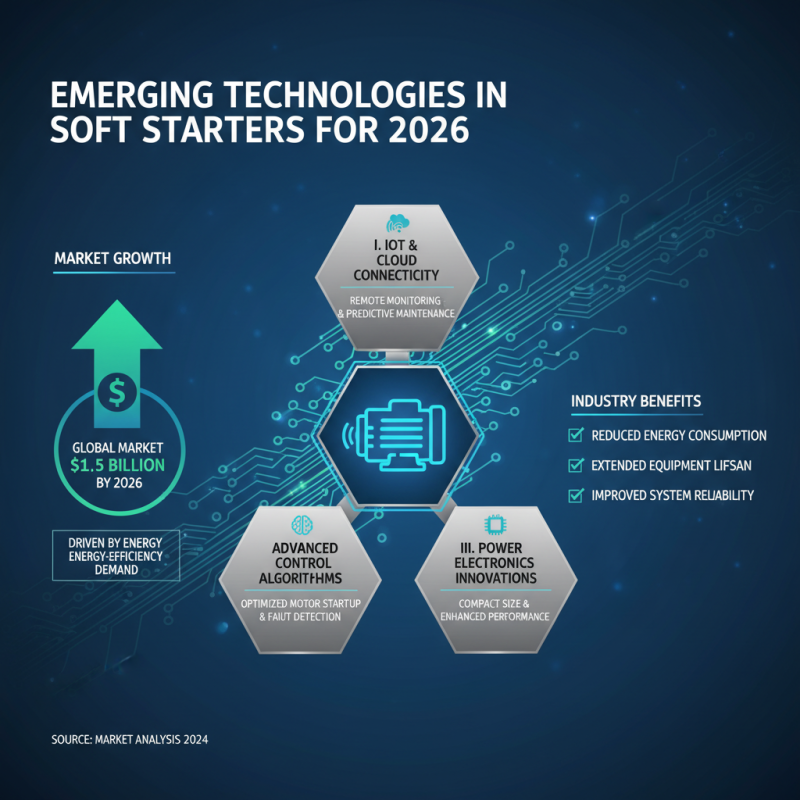
The soft starters market is evolving rapidly. Emerging technologies are redefining how soft starters function and benefit various industries. By 2026, the global market for soft starters is projected to reach $1.5 billion, according to a recent market analysis. This growth highlights the increasing demand for energy-efficient solutions.
One notable trend is the integration of smart technology into soft starters. IoT-enabled devices allow for remote monitoring and control, which enhances operational efficiency. Data analytics capabilities lead to predictive maintenance, reducing downtime. Additionally, the adoption of advanced semiconductor materials is improving performance and energy savings.
Despite these advancements, challenges remain. The adoption rate of smart soft starters varies significantly across regions. Some industries still rely on older technologies, hindering progress. Moreover, awareness of these innovations is not uniform. Businesses must invest in training and knowledge-sharing to leverage these emerging technologies fully. As the landscape evolves, recognizing these gaps is crucial for future success.
Key Features to Look for in Soft Starters
When selecting a soft starter, understanding key features is crucial. Soft starters are essential for reducing inrush current and providing smooth motor operation. According to industry reports, over 40% of electrical faults are attributed to high starting currents. Therefore, selecting a unit with robust current-limit features can mitigate this risk.
A reliable soft starter should feature adjustable ramp-up and ramp-down settings. This allows for customization based on specific application needs. Users should also check for built-in overload protection. It becomes critical as most electric motors can draw up to six times their rated current during startup. Additionally, integrating control communication options can enhance system integration and expand automation capabilities.
Tip: Always review motor specifications and match them with the soft starter ratings. This ensures optimal performance and longevity. Recognizing that there are still outdated models in use suggests a need for continuous evaluation. Upgrading to modern options can lead to energy savings, reducing operational costs by 15% or more. As trends emerge, the importance of a user-friendly interface in soft starters cannot be overstressed. Many operators seek simplified programming for efficiency.
Market Trends Influencing Soft Starter Purchases
As the demand for soft starters increases, buyers must understand the evolving market trends.
The shift towards energy efficiency is significant. More industries seek devices that reduce power consumption during startup phases.
This trend is driven by rising energy costs and stricter environmental regulations.
Companies are increasingly focused on sustainability. Soft starters that enhance energy savings are highly sought after.
Another influence is technological advancements. Integration of smart technologies is transforming the market.
Buyers now prefer soft starters capable of monitoring performance in real-time. This data allows for better maintenance and operational efficiency.
However, the complexity of new features can overwhelm some users. Understanding these technologies remains a challenge.
Many companies struggle to adapt to rapid changes, which may affect their purchasing decisions.
The rise of automation in industrial settings is also noteworthy. Automation is reshaping how machinery operates.
With this shift, soft starters that can interface seamlessly with automated systems are in demand.
Buyers should consider not only the current needs but also future adaptability.
The market is dynamic, and potential buyers must remain informed. Ignoring these trends could result in missed opportunities and increased costs.
Applications and Industries Utilizing Soft Starters
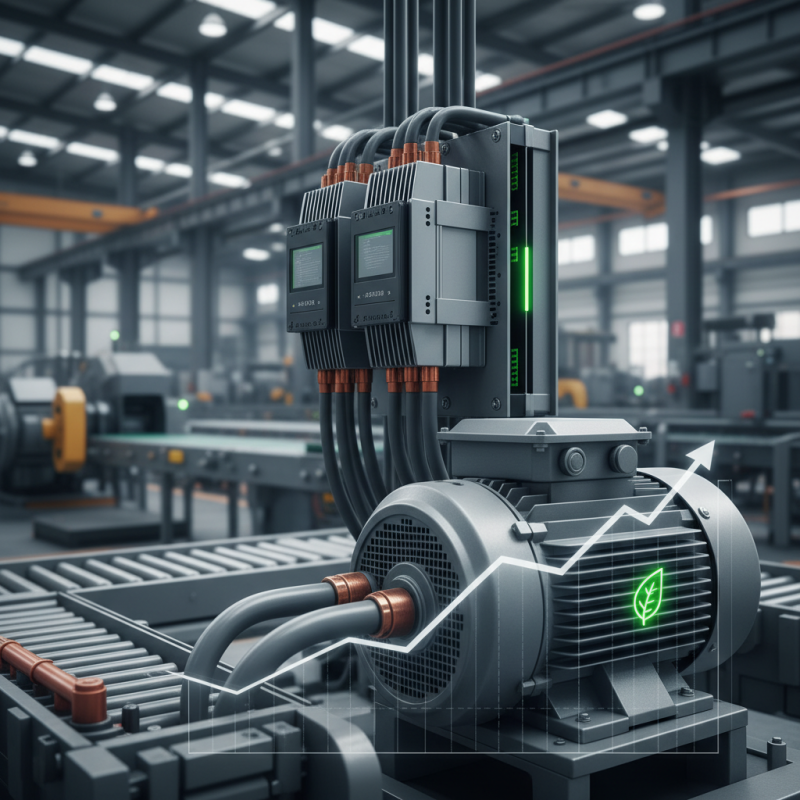
Soft starters are increasingly essential in various industries, providing smoother motor control and reducing wear on machinery. Manufacturing facilities often rely on soft starters for their equipment, ensuring less mechanical stress during startup. This is particularly useful in applications involving conveyors or pumps.
In the HVAC industry, soft starters enhance system efficiency by providing a controlled start for compressors. This reduces energy spikes, making systems more reliable and prolonging their lifespan. Water treatment plants also utilize soft starters to minimize water hammer effects during pump operation.
Tips: Consider the specific needs of your application. Assess how soft starters can improve your system's reliability. Research different models and their performance in similar industries. Engage with experienced professionals for insights. This approach can prevent costly mistakes.
Sustainability and Energy Efficiency in Soft Starters
Sustainability is a major focus for industries using soft starters. These devices help manage electrical loads, making operations more efficient. The global soft starters market is predicted to reach $2.5 billion by 2026. This growth reflects the push towards energy-efficient systems.
Recent reports indicate that soft starters reduce peak starting current by up to 30%. This not only minimizes wear on machinery but also lowers energy consumption. In turn, it helps companies cut costs and reduce their carbon footprint. Businesses increasingly demand solutions that align with their sustainability goals.
Yet, challenges remain. Some manufacturers struggle to adopt newer technologies. A report showed that 40% of industries still rely on traditional starting methods. Training and awareness around soft starters' benefits are lacking. This gap highlights the need for education and understanding in the field. Investors and decision-makers should prioritize learning about these advancements.
2026 Top Soft Starters Trends Buyers Need to Know? - Sustainability and Energy Efficiency in Soft Starters
| Trend |
Description |
Impact on Sustainability |
Energy Efficiency Gains |
| Smart Controls |
Integration of IoT technology for real-time monitoring and control. |
Significantly reduces energy waste through precise regulation. |
Up to 30% improvement in energy consumption. |
| Eco-Friendly Materials |
Use of sustainable materials in manufacturing processes. |
Minimizes environmental footprint during production. |
No direct impact on efficiency but supports lifecycle sustainability. |
| Voltage Optimization |
Technologies that ensure optimal voltage levels fluctuate minimally. |
Decreases energy losses during transmission. |
Can enhance efficiency by 10-15% depending on application. |
| Harmonic Mitigation |
Solutions that reduce harmonic distortion in electrical systems. |
Improves overall power quality and reduces losses. |
Potentially improves efficiency by 5-10%. |
| Predictive Maintenance |
Using AI to predict when maintenance is needed before failures occur. |
Reduces waste generated from unnecessary repairs. |
Can optimize equipment life cycle, indirectly improving efficiency. |
 Skip to content