Top Motor Disconnect Types for Safe Electrical Operation?

In the realm of electrical systems, safety is paramount. Motor disconnect devices play a crucial role in ensuring this safety. They provide a way to quickly isolate motors during maintenance or emergencies. Understanding the various types of motor disconnect options is essential for both efficiency and safety.

Different applications require different disconnect types. For example, a simple rotary switch might work for smaller motors. However, larger industrial setups may need more complex disconnect solutions. Each type presents its own challenges and advantages. Choosing the right motor disconnect is not straightforward. It often involves balancing safety, cost, and ease of use.

Not all motor disconnects are created equal. Some may not meet safety standards. Therefore, selecting a device that fits your specific needs is critical. Ignoring this step can lead to unsafe conditions. Reflecting on your choices can prevent potential hazards in the long run. Always prioritize safety by educating yourself about the options available.
Top Motor Disconnect Types for Safe Electrical Operation?

Types of Motor Disconnects: An Overview of Options
Top Motor Disconnect Types for Safe Electrical Operation?

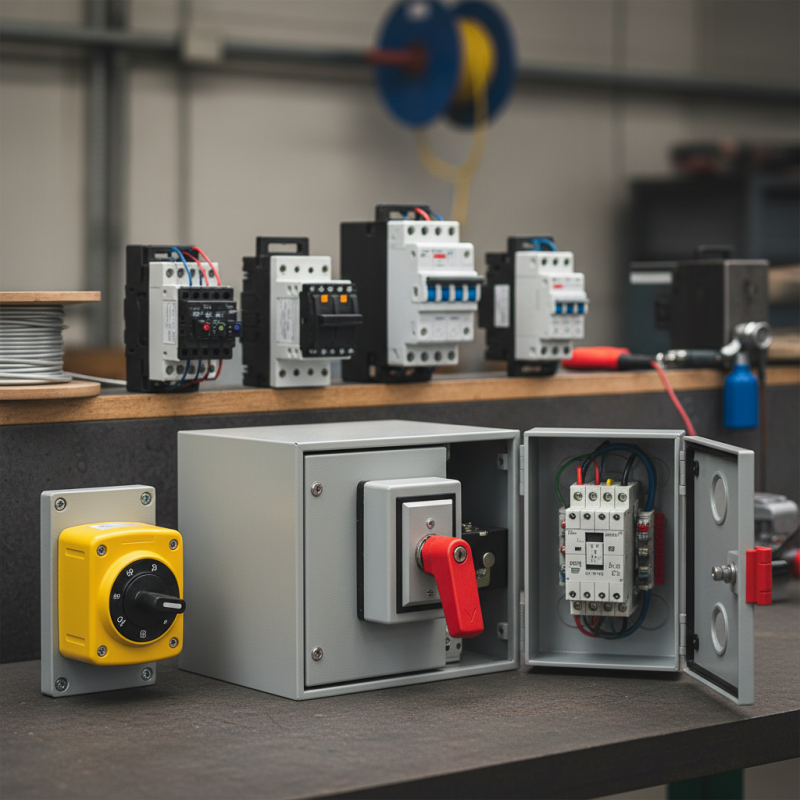
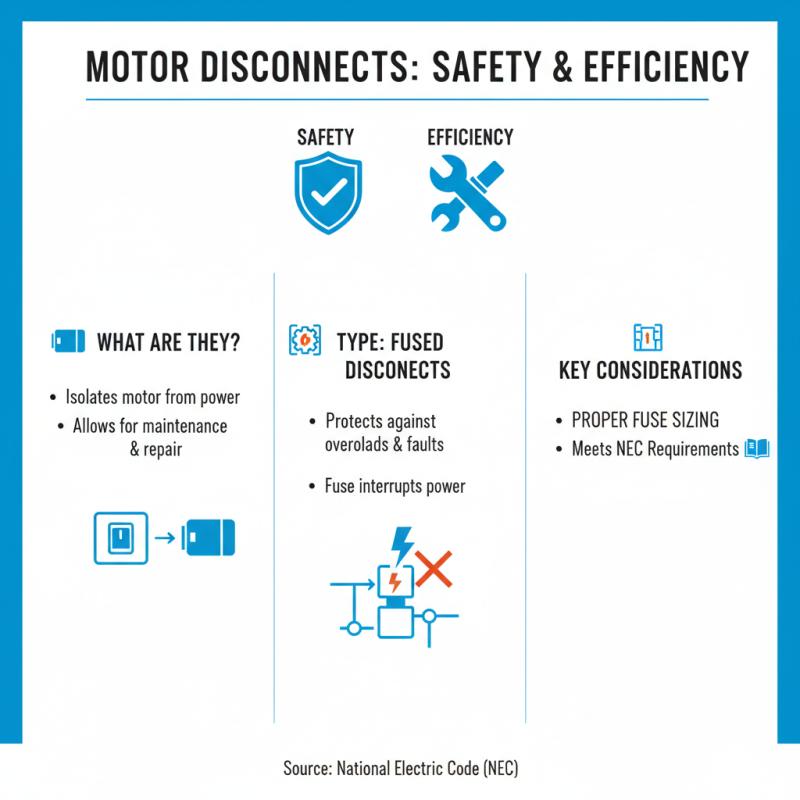
When selecting motor disconnects, safety and efficiency are crucial. There are several types available, each catering to different applications. For example, fused disconnects protect against overloads and faults. They include a fuse that can blow and interrupt power, offering a reliable safeguard. According to the National Electric Code (NEC), proper fuse sizing is essential for optimal protection.

Non-fused disconnects are also popular. They provide a direct way to isolate power without additional components. This simplicity can lead to faster maintenance and less downtime. However, they require regular inspection to ensure safety. A study by the Electrical Safety Foundation International (ESFI) indicates that improper maintenance of electrical disconnects contributes to about 20% of workplace electrical accidents.

Other options include motor starters that combine disconnect functions with control circuits. They allow for remote operation and can streamline processes. However, like other systems, they have inherent risks. Incorrect installation can lead to equipment failure or safety hazards. Awareness of these risks is as vital as understanding the benefits of each type.

Understanding the Role of Motor Disconnects in Electrical Safety

Motor disconnects play a crucial role in electrical safety. These devices provide a means to isolate motors from their power source during maintenance or emergencies. A survey by the National Electrical Manufacturers Association (NEMA) highlights that improper disconnection can lead to accidents, costing companies millions annually.

When selecting a motor disconnect, it's essential to consider the specific requirements of the application. An estimated 30% of electrical accidents occur due to inadequate disconnects. These incidents often arise from devices that fail to meet local regulations or industry standards. Moreover, poor installation practices can compromise safety.

Regular checks and maintenance ensure the effectiveness of these devices. Lack of attention can lead to mechanical failure, which poses risks to workers. It is vital to create a culture of safety and accountability in handling motor disconnects. With the right equipment and practices, many accidents can be prevented, reducing risks significantly.

Top Motor Disconnect Types for Safe Electrical Operation

Disconnect Type Description Application Safety Features
Manual Disconnect Switch A hand-operated switch that isolates the electrical supply to the motor. Common in small to medium-sized applications. Easily accessible, allows for lockout/tagout procedures.
Circuit Breaker Automatically interrupts electrical flow in case of overload or short circuit. Widely used in various electrical installations. Automatic reset capability, integral trip mechanisms.
Contactor An electromechanical switch that controls the power to the motor. Used in larger motors and industrial applications. Remote control capabilities and thermal overload protection.
Safety Disconnect Switch Designed specifically for motor control with enhanced safety features. Ideal for industrial environments with high safety requirements. Enhanced isolation, often compatible with lockout/tagout standards.
Pull-Handle Disconnect A portable switch that can be quickly pulled out to disconnect power. Useful for temporary setups or maintenance tasks. Quick action for safety during maintenance.

Key Features to Consider When Choosing Motor Disconnects

Choosing the right motor disconnect is crucial for ensuring safe electrical operations. When considering motor disconnects, there are key features that need attention. First, the disconnect’s ampacity should match the motor's rating. Proper sizing ensures protection and avoids overloading, which can lead to significant failures. According to industry studies, around 40% of motor failures are linked to inadequate disconnects.

Another vital aspect is the type of enclosure. Enclosures rated for specific environments—like NEMA ratings—protect against dust and moisture. A compromised enclosure can be a major risk. About 30% of equipment damage comes from environmental factors. This highlights the need for appropriate selection based on the installation site.

Tips: Always conduct a routine inspection of your motor disconnect. Look for signs of wear. If it’s outdated, consider replacing it promptly. Balance cost with reliability. Investing in quality components may lead to long-term savings. Keeping up with electrical standards is crucial. Regular training for staff on equipment handling could prevent accidents. Only informed personnel should manage disconnects. Prioritize safety to reduce downtime and failures.

Common Applications for Different Motor Disconnect Types

When it comes to motor disconnect types, safety is paramount. Various applications demand specific designs to ensure effective operation. A knife disconnect is popular in heavy industries. It allows for quick isolation of motors during maintenance. However, it may expose users when the blades are not properly covered. This poses a risk that needs careful consideration.

Another common type is the rotary disconnect. It offers a simple operation mechanism. With a visible open or close position, it enhances safety. However, if installed in hard-to-reach areas, users may struggle to operate it safely. So, accessibility is important when choosing this type.

Lastly, the fusible disconnect provides both isolation and protection. It combines a disconnect switch with fuses. This is great for high-voltage applications. But, the need for regular fuse inspections can become a hassle. Each motor disconnect type meets certain needs, but potential drawbacks always exist. Thoughtful selection makes a difference in electrical operation safety.

Maintenance Practices for Ensuring Motor Disconnect Efficiency

Motor disconnects play a critical role in ensuring safety during electrical operations. Regular maintenance is essential for keeping these systems efficient. According to the National Electrical Manufacturers Association (NEMA), around 30% of motor failures are due to improper maintenance. This statistic should prompt a deeper reflection on our current practices.

One effective maintenance practice involves regular inspection of disconnect switch conditions. Dirt and corrosion can accumulate over time, causing disconnects to fail. Ensuring that contacts are clean and functioning properly is vital. Moreover, industry reports suggest that thermal imaging can detect issues before they become significant problems. This proactive approach can prevent costly downtime.

Training staff is equally important. Ensure that personnel understand the importance of motor disconnect maintenance. Simple tasks, like tightening connections and checking labels, can reduce risks. Ongoing education can improve awareness. Consider annual workshops focusing on best practices. Maintenance procedures may seem minor, but their impact is significant. Upkeep enhances efficiency and prolongs equipment lifespan.

Top Motor Disconnect Types for Safe Electrical Operation

This chart displays the efficiency ratings of various motor disconnect types based on their performance in ensuring safe electrical operations. Each type of disconnect serves a unique function, with ratings reflecting their overall effectiveness.

Go to Top