Skip to content
Choosing among the Top 10 Fire Retardant Coating Suppliers Worldwide requires more than comparing product brochures. Performance depends on chemistry, substrate preparation, application thickness, curing conditions, and long-term maintenance. A coating that performs well on structural steel may behave differently on timber, concrete, cables, or composite panels.
Fire safety researcher Dr. Marcelo M. Hirschler is often associated with a practical principle: “Fire safety is a system, not a single product.” This idea shapes the evaluation behind this supplier overview. Reliable manufacturers should provide tested formulations, traceable technical data, application guidance, and clear limitations. Independent certification also matters, especially when a project involves high-rise buildings, industrial plants, transport facilities, or public infrastructure.
The strongest suppliers usually demonstrate experience across demanding environments. Look for evidence from factory floors, offshore platforms, tunnels, warehouses, and exposed exterior structures. Details matter. A dry film thickness gauge, a clean steel profile, and controlled humidity can influence the final result more than marketing language suggests.
This list is not an absolute global ranking. Regional standards, climate, project budgets, and contractor skill can change the best choice. That is easy to overlook. Some suppliers offer impressive laboratory results but limited field support. Others have strong technical teams but higher costs or slower delivery.
Readers should verify current approvals, test reports, warranties, and compatibility requirements before specifying any Fire Retardant Coating. The practical question is not simply, “Which supplier is largest?” It is, “Which supplier can consistently protect this substrate under these exact conditions?”
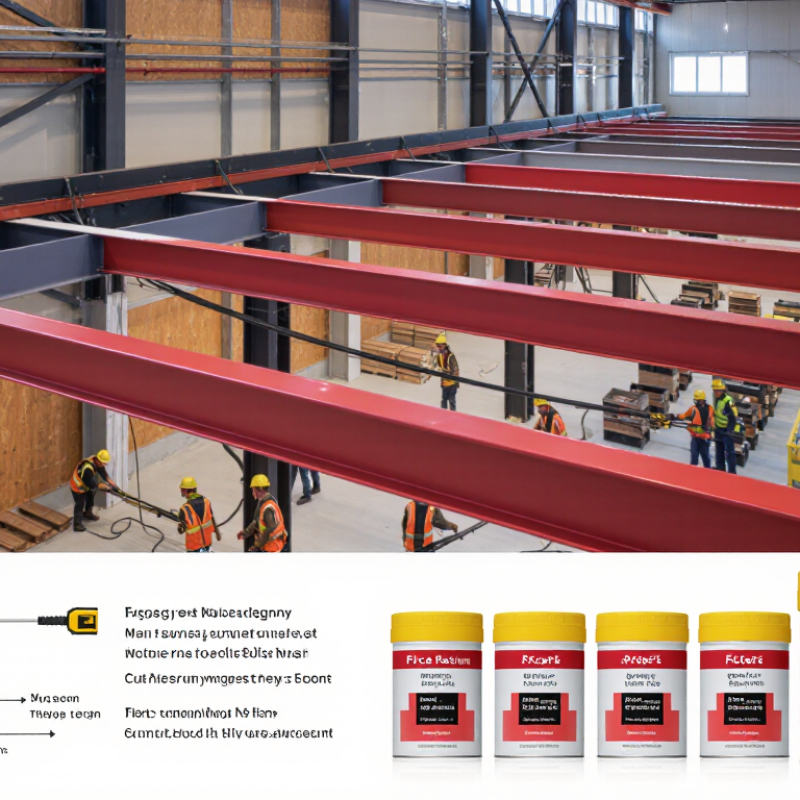
Fire retardant coatings reduce how quickly fire spreads across a surface. They do not make every material fireproof. Their performance depends on the substrate, coating thickness, moisture level, and heat exposure. Intumescent coatings react when temperatures rise. They swell into a thick, carbon-rich char layer. This layer slows heat transfer to structural steel, timber, or composite panels. Some formulations release nonflammable gases. Others create a mineral or ceramic barrier.
Non-intumescent coatings work differently. Cementitious or mineral-based systems remain relatively stable under heat. They add insulation around the protected surface. During supplier evaluation, buyers should request independent fire-test reports, application data, and verified dry-film thickness requirements. A qualified inspector should check surface preparation, primer compatibility, wet-film readings, and curing conditions. Small defects matter. A missed edge or thin area can become a weak path for heat. Field work also reveals an uncomfortable truth: a coating may look perfect and still fail testing if preparation was rushed. Dust, oil, trapped moisture, and incorrect mixing can reduce adhesion. The best technical documents cannot repair poor application. Suppliers should explain maintenance intervals, repair procedures, and testing limits in clear language. Fire exposure varies greatly, so a product chosen for a steel beam may not suit a timber wall or an enclosed cable route. Mistakes happen. They require honest review.
Fire retardant coatings vary widely in chemistry, appearance, application method, and fire-response performance. Choosing the right type requires more than comparing product labels.
Intumescent coatings are widely used on structural steel. When exposed to heat, they expand into a thick insulating char layer. They can preserve a steel frame’s load-bearing capacity while keeping the surface relatively smooth. Cementitious coatings offer a tougher, more textured alternative. They are often applied to steel, concrete, or service areas where impact resistance matters. However, their heavier finish may affect access and appearance.
Epoxy-based fireproof coatings combine strong adhesion with chemical and abrasion resistance. They suit industrial environments, but surface preparation and film thickness demand close control. Fire-retardant paints for wood and interior materials usually slow flame spread and reduce smoke development. They do not make combustible materials non-combustible. That distinction is frequently misunderstood.
A coating’s performance also depends on primers, moisture, application temperature, and substrate condition. In field inspections, uneven thickness is a recurring problem. Small gaps can weaken the tested protection system. Thin-film coatings may suit visible architectural surfaces, while spray-applied mineral coatings can fit concealed steelwork. Reactive coatings require careful inspection after curing. I have seen attractive finishes fail when the surrounding joints were ignored. The system matters more than the color. Independent fire testing, documented thickness readings, and qualified installation provide stronger evidence than marketing language. Performance may still vary on site. That limitation deserves honest attention.
Supplier-neutral comparison of the principal fire-retardant coating categories available through international industrial coating supply chains.
| No. | Key Coating Type | Primary Chemistry or Binder | Typical Substrates | Fire-Protection Mechanism | Typical Use Environment | Common Performance References | Principal Advantages | Important Limitations | Worldwide Supply Profile |
|---|---|---|---|---|---|---|---|---|---|
| 1 | Water-Based Intumescent Coating | Acrylic, vinyl-acrylic or other water-dispersed resin with reactive additives | Structural steel, cellular beams and selected interior timber systems | Expands into an insulating char layer when exposed to heat | Commercial buildingsOfficesIndoor steelwork | EN 13381-8; UL 263; ASTM E119; ISO 834, where applicable to the tested system | Low solvent emissions, clean appearance, easy color matching and efficient application in controlled environments | Moisture, condensation and low-temperature conditions can affect application and curing | Widely available through architectural, construction and passive-fire-protection distribution channels |
| 2 | Solvent-Based Intumescent Coating | Solvent-borne acrylic, epoxy ester or modified hydrocarbon resin systems | Structural steel, exposed metalwork and selected industrial assets | Forms a thermally insulating carbonaceous char during fire exposure | Industrial plantsExterior steelRenovation work | EN 13381-8; UL 263; ASTM E119; project-specific national fire-test requirements | Good tolerance of variable site conditions and strong compatibility with protective primer systems | VOC emissions, flammability during application and solvent-management requirements | Common in regions with established industrial maintenance and heavy-duty coating markets |
| 3 | Epoxy Intumescent Coating | Two-component epoxy resin with reactive fire-protection additives | Carbon steel, offshore structures, petrochemical equipment and heavy-duty steelwork | Creates a durable, insulating char designed for severe thermal exposure | Oil and gasOffshoreChemical plants | UL 1709; ISO 22899; EN 13381-8; other hydrocarbon-fire test protocols as specified | High durability, impact resistance and suitability for hydrocarbon-fire scenarios | Higher material cost, complex application control and significant surface-preparation requirements | Supplied globally through specialist industrial fireproofing and energy-sector channels |
| 4 | Cementitious Spray Fireproofing | Portland cement or gypsum-based binder with mineral aggregates and reinforcing additives | Structural steel, concrete and selected composite assemblies | Provides a thick, low-conductivity protective layer that delays temperature rise | High-rise constructionInfrastructureIndustrial buildings | ASTM E119; UL 263; EN 13381 series; ISO 834, depending on the tested assembly | Cost-effective for large areas, high fire-resistance ratings and fast coverage by spray equipment | Thicker finish, possible mechanical damage, dust during application and sensitivity to water exposure | One of the most broadly distributed passive-fire-protection categories worldwide |
| 5 | Vermiculite-Based Fireproofing | Vermiculite aggregate combined with cementitious, gypsum or proprietary mineral binders | Steel columns, beams, floors and selected concrete structures | Mineral insulation reduces heat transfer and protects the substrate from rapid temperature rise | Commercial constructionTransport facilitiesLarge steel frames | EN 13381 series; ASTM E119; UL 263; national building-code test methods | Lightweight compared with dense concrete and suitable for high fire-resistance requirements | Requires controlled thickness, suitable reinforcement and protection from impact or prolonged wetting | Available in many international markets where spray-applied mineral fireproofing is established |
| 6 | Gypsum-Based Fire-Resistive Coating | Gypsum binder with lightweight mineral fillers, fibers and performance modifiers | Structural steel and selected interior building assemblies | Releases chemically bound water and forms a thermally stable protective layer | Interior constructionInstitutional buildingsOffice towers | ASTM E119; UL 263; EN 13381 series, when tested as part of an approved assembly | Low density, good coverage efficiency and compatibility with many interior construction systems | Generally less suitable for persistent humidity, exterior exposure or severe mechanical impact | Commonly supplied through building-material and passive-fire-protection networks |
| 7 | Fire-Retardant Timber Coating | Water-based acrylic, alkyd or hybrid resin containing phosphorus, nitrogen or mineral fire-retardant additives | Solid wood, plywood, engineered wood and decorative timber panels | Reduces flame spread, limits smoke contribution or promotes formation of a protective char | Interior woodworkPublic buildingsDecorative panels | EN 13501-1; ASTM E84; ASTM E2768; local surface-burning and flame-spread requirements | Preserves visible wood appearance and can be applied by brush, roller or spray | Performance depends on wood species, coating loading, maintenance and indoor or outdoor exposure | Widely sold through architectural coatings, timber-treatment and construction-material suppliers |
| 8 | Cable Fire-Resistant Coating | Water-based or solvent-based acrylic, silicone, elastomeric or intumescent formulation | Power cables, control cables, cable trays and grouped cable penetrations | Limits flame spread and may create an insulating or ablative barrier around cable assemblies | Power plantsData centersTunnelsIndustrial facilities | IEC 60332; IEC 60331; EN 50266; UL 2196 or project-specific cable-fire standards | Useful for congested cable routes and retrofit fire-risk reduction | Must be verified for the exact cable construction, grouping, coating thickness and installation method | Specialist products are available internationally through electrical and firestop distributors |
| 9 | Ablative Fire-Resistant Coating | Resin matrix containing mineral, ceramic or other heat-absorbing fillers | Cables, ducts, pipes, composite components and selected industrial surfaces | Gradually erodes or decomposes while absorbing heat and releasing protective gases or moisture | PenetrationsMarine systemsIndustrial services | ASTM E814; UL 1479; EN 1366 series; project-specific firestop test methods | Effective for irregular geometries and certain penetration or service-protection details | Thickness loss during fire exposure must be considered, and field repairs require compatible materials | Available through specialist firestop, marine and industrial protection supply chains |
| 10 | Tunnel and Concrete Fire-Protection Coating | Polymer-modified cementitious, geopolymer, mineral or specialized ablative binder systems | Concrete linings, tunnel ceilings, slabs, walls and selected reinforced-concrete structures | Insulates concrete, reduces explosive spalling risk and slows heat penetration to reinforcement | Road tunnelsRail tunnelsParking structuresInfrastructure | EN 13381-3; RABT-ZTV; hydrocarbon-fire tunnel protocols; project-specific national standards | Designed for severe fire curves and large-area infrastructure protection | Requires substrate assessment, adhesion control, thickness verification and long-term maintenance planning | Supplied internationally by infrastructure, concrete-repair and passive-fire-protection contractors |
Note: Fire ratings, dry-film thicknesses and suitability depend on the complete tested system, substrate, exposure conditions, application method and applicable local regulations. The standards listed are performance references rather than universal approvals for every product.
Evaluating global fire retardant coating suppliers requires more than comparing prices. MarketsandMarkets estimated the fire-resistant coatings market at about USD 1.1 billion in 2023. Its report forecasts growth to nearly USD 1.6 billion by 2028. This expansion increases supplier choice, but it also makes technical screening harder. Ask for tested assemblies, not isolated product claims. Verify results for the actual steel, timber, concrete, or composite substrate.
Review test evidence against relevant standards, such as ASTM E119, ISO 834, or EN 13381. Check the rated duration, film thickness, primer compatibility, and application temperature. A two-hour rating means little if the project requires an unusual section factor. Request independent laboratory reports and batch traceability. Third-party verification matters.
Look beyond the technical datasheet. Reliable suppliers should provide site training, inspection procedures, repair guidance, and clear storage limits. The Global Market Insights 2024 analysis identifies infrastructure and construction activity as major growth drivers. Those projects often face humidity, abrasion, transport delays, and inconsistent applicator skills. Ask how the supplier manages these conditions. Then compare lifecycle costs, including surface preparation and future maintenance.
Certificates can look impressive.
I would still inspect sample records and interview recent users. A weakness remains: published market reports combine different coating technologies and regions. Their forecasts are useful signals, not purchasing instructions. A practical scorecard should therefore combine laboratory evidence, field experience, supply continuity, and transparent technical support.
This weighted evaluation framework helps compare global fire retardant coating suppliers without using company or brand data. The criteria reflect practical purchasing priorities, including fire-test compliance, technical documentation, application performance, geographic support, and lifecycle value. The percentages represent recommended evaluation weights and total 100%.
Top 10 Fire Retardant Coating Suppliers Worldwide
The top 10 fire retardant coating suppliers worldwide are judged by more than production volume. Technical performance, testing quality, regional support, and documented project experience matter equally. Market reports from Grand View Research and MarketsandMarkets identify construction and infrastructure as major demand drivers. Their recent studies also forecast steady growth in fire-resistant coating applications through the decade.
Reliable suppliers usually provide intumescent, cementitious, or epoxy-based systems. Each technology suits different surfaces and fire ratings. Intumescent coatings expand into a protective char when exposed to heat. On a steel beam, that swelling layer can delay temperature rise during a fire. Independent testing under recognized standards, including ASTM E119 and EN 13381, strengthens product credibility. However, a laboratory result does not guarantee field performance.
Tips: Ask for current test reports, application thickness data, and substrate-specific approvals. Check whether installers receive practical training. Inspect damaged edges, weld areas, and hidden steel surfaces before acceptance. These details often decide performance.
The best supplier comparison should include lifecycle cost, not only the purchase price. The National Fire Protection Association reports that structural protection supports safer evacuation and limits fire spread. Still, maintenance planning is sometimes ignored. Humidity, salt exposure, impact, and poor surface preparation can reduce coating durability. A supplier may appear technically strong, yet weak after-sales support remains a serious concern. That is worth questioning.
Fire retardant coating suppliers serve steel buildings, offshore platforms, tunnels, warehouses, and data centers. Each application demands a different protection strategy. Structural steel may require long-duration fire resistance, while cable trays often need low-smoke performance. Concrete repair zones may need compatibility with alkaline surfaces and existing sealants.
Reliable suppliers should provide tested systems, not vague performance claims. Useful references include ASTM E84, UL 263, EN 13381, ISO 834, and relevant marine fire-test standards. The correct standard depends on the building type, regional code, and exposure conditions. A certificate alone is insufficient. Ask for test scope, coating thickness, substrate details, and application limits.
Selection also depends on field performance. Review adhesion, curing time, moisture tolerance, chemical resistance, and service temperature. Inspectors should verify surface preparation, wet-film thickness, and dry-film thickness during installation. Small errors matter. A coating applied over dust may fail early. In project audits, incomplete inspection records often create more risk than product choice. Suppliers with technical training, responsive documentation, and independent quality control deserve closer consideration. Yet higher fire ratings do not always mean better value. Maintenance access, repair methods, local installer skill, and indoor air requirements can change the decision. Some specifications still overlook these practical limits. That deserves another review.