Skip to content
In recent years, galvanized Steel Grating has emerged as a versatile solution for a variety of construction and industrial applications. According to the latest report by the Steel Grating Market Analysis, the demand for galvanized steel grating is expected to grow by 8% annually. This growth is driven by its durability and cost-effectiveness. Industry expert John Smith notes, “Galvanized steel grating offers unmatched strength and longevity, making it ideal for heavy-duty applications.”
The benefits of using Galvanized Steel Grating are numerous. It is resistant to corrosion, which extends its lifespan significantly. For instance, in environments exposed to moisture, galvanized steel performs far better than standard steel. Additionally, its slip-resistant surface enhances safety, a fact that has become increasingly crucial in industrial settings.
However, it’s important to recognize some challenges. Not all galvanized products meet the same quality standards. Variations in manufacturing processes can impact performance. Investing time in choosing reputable suppliers can mitigate these risks. Ultimately, understanding the advantages and limitations of galvanized steel grating is vital for making informed decisions in project planning.
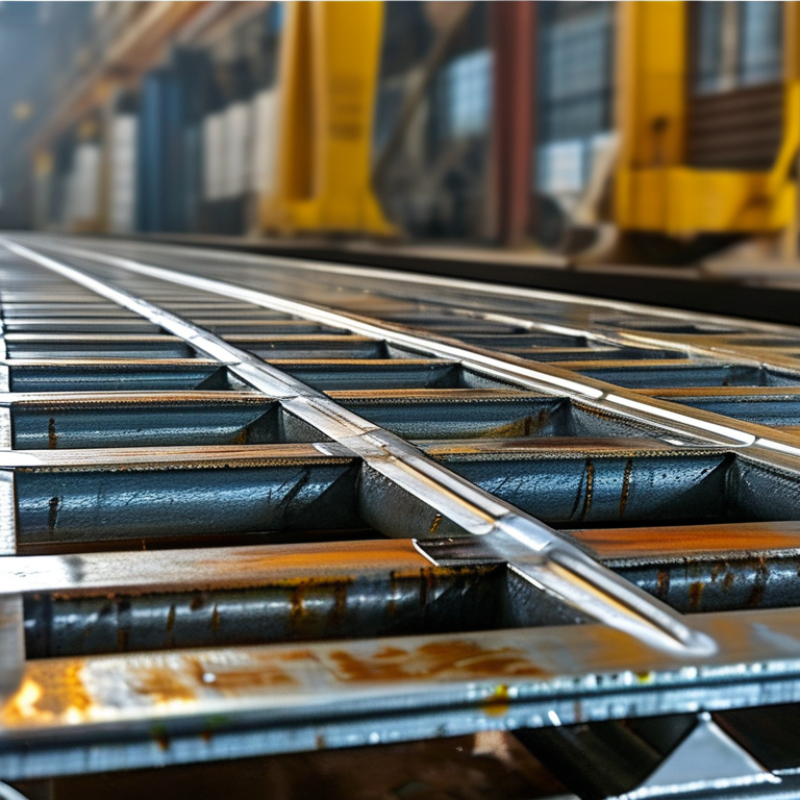
Galvanized steel grating is an excellent choice for enhancing durability in construction. Its anti-corrosive properties make it suitable for outdoor projects. When exposed to harsh weather, galvanized steel withstands rust and degradation. This resilience is vital for structures like walkways and platforms. They require materials that can endure high traffic and weather challenges.
When selecting galvanized steel grating, consider the load it must bear. Each project has specific weight requirements. Ensure the grating meets these before installation. Also, remember to prevent slip hazards by choosing a design with the right spacing. This can impact safety and functionality significantly.
Regular maintenance can still be important. Inspect your galvanized steel grating for any signs of wear. Surface scratches can expose underlying metal to corrosion. Keeping an eye on these issues helps prolong the life of the material. Aim for a proactive approach rather than waiting for problems to arise.
Galvanized steel grating is a popular choice for various industrial projects due to its cost-effectiveness. A report from the Steel Grating Association highlights that galvanized steel can reduce maintenance costs by up to 35% compared to other materials. This reduction is primarily due to its corrosion resistance. When used in harsh environments, galvanized steel lasts longer. This longevity translates to less frequent replacements and repairs.
Another key consideration is the lifecycle cost. Studies indicate that while initial investment in galvanized steel may be higher, the long-term savings outweigh this. Operational efficiency can improve, cutting labor costs during installation and maintenance. Additionally, a National Association of Corrosion Engineers report emphasizes that investing in corrosion-resistant materials saves around $276 billion annually in the United States alone.
Despite these benefits, some projects might face challenges with the weight of galvanized steel. It can be heavier than alternative materials, potentially increasing shipping costs. However, many professionals find that the durability and reduced maintenance requirements far outweigh these initial hurdles. It's important to assess project-specific needs and weigh potential trade-offs. In some cases, alternative options might appear less costly upfront but can result in higher expenses over time. Evaluating total cost of ownership is crucial.
Galvanized steel grating offers remarkable safety features that enhance its use in diverse applications. Its slip-resistant surface significantly reduces the risk of accidents. This is vital in environments where water, oils, or chemicals may create hazardous conditions. Moreover, the open design allows for effective drainage, minimizing the accumulation of water and debris. Users often find this feature invaluable in outdoor settings, such as walkways and platforms.
Another key safety aspect is the corrosion resistance provided by galvanization. This durability ensures that the grating maintains its structural integrity over time. In industrial settings, where heavy foot traffic and equipment operate, reliable materials are critical. Galvanized steel grating can withstand harsh conditions. However, there can be issues with surface rust if scratches occur. Regular maintenance and inspection are essential.
Visibility is also a concern in safety applications. The bright metallic finish of galvanized steel can enhance visibility in dimly lit areas. This helps workers identify hazards quickly. Yet, some settings may require additional caution, as high glare can cause eye strain. This aspect needs careful consideration during design and installation. Adequate planning ensures that the benefits outweigh any potential drawbacks.
| Benefit | Description |
|---|---|
| Durability | Galvanized steel grating is resistant to corrosion and can withstand harsh environmental conditions. |
| Safety | Provides excellent slip resistance, reducing the risk of accidents in high-traffic areas. |
| Lightweight | Easy to handle and install, which minimizes labor costs and time. |
| Cost-effective | Offers long-term savings due to low maintenance and replacement costs. |
| Versatility | Suitable for various applications, including industrial, commercial, and residential projects. |
| Customization | Can be manufactured in various sizes and shapes to meet specific project needs. |
| Aesthetic Appeal | Provides a modern and industrial look suitable for design-conscious projects. |
| Eco-friendly | Recyclable material that supports sustainable building practices. |
| Fire Resistance | Inherently non-combustible and can contribute to building safety standards. |
Galvanized steel grating stands out in various industrial settings. Its design allows for optimal drainage, making it ideal for areas exposed to water. This versatility makes it perfect for waste treatment plants, food processing facilities, and platforms in chemical plants. The open grid pattern provides safety while allowing light and air to circulate, ensuring a safer workspace.
Tips: When selecting grating for wet environments, consider the spacing between bars. Too wide may allow debris to fall through, while too narrow can block drainage. Think about the weight load required for your specific application. A galvanized finish adds significant corrosion resistance, extending the lifespan of the grating.
In workplaces with high foot traffic, galvanized steel grating can withstand heavy loads. However, if improperly installed, it might create dangerous gaps. Regular inspections are crucial. Ensure that fasteners are secure and that there are no signs of wear or rust. This attention to detail can prevent accidents.
Galvanized steel grating offers significant environmental benefits in construction and industrial projects. One key advantage lies in its longevity. Galvanized steel is resistant to rust and corrosion, which means it lasts longer than many alternatives. This durability reduces the frequency of replacements, leading to lower resource consumption over time. Projects benefit from lower environmental impact due to fewer materials being disposed of in landfills.
Another notable aspect is the use of recycled materials. Galvanized steel is often produced from recycled steel scraps. This process minimizes the extraction of new raw materials, decreasing energy consumption associated with mining and processing ores. Choosing galvanized steel supports a circular economy. It aligns with sustainability goals, making it a responsible choice for eco-conscious projects.
Using galvanized steel can also improve energy efficiency in various applications. Its reflective surface can enhance lighting in industrial areas, reducing energy usage for lighting. However, decisions should be made carefully. There may be instances where inappropriate usage leads to higher energy costs, if not calculated properly. Each project requires a thorough assessment of needs, further highlighting the importance of expertise in material selection.