How to Source Quality CNC Machining Parts in 2026?
As industries evolve, the demand for high-quality CNC Machining Parts continues to grow. Sourcing these parts effectively requires a nuanced understanding of the technology and market trends. In 2026, businesses must navigate a complex landscape filled with various suppliers and materials. This can be overwhelming for many. However, with careful evaluation and strategic partnerships, companies can secure the precision components they need.
Quality assurance is paramount when selecting CNC Machining Parts. A poorly made part can lead to project delays and increased costs. Therefore, due diligence is crucial. Engaging with suppliers who demonstrate a commitment to quality, backed by certifications, is essential. Transparency in practices fosters trust and reliability.
Furthermore, a focus on sustainability and innovation is vital. Many suppliers now engage in eco-friendly practices. Incorporating these into your sourcing strategy not only improves your brand image but meets rising consumer expectations. Overall, sourcing CNC Machining Parts in 2026 demands a proactive and informed approach. Gaps in knowledge can lead to pitfalls, making continuous learning important.
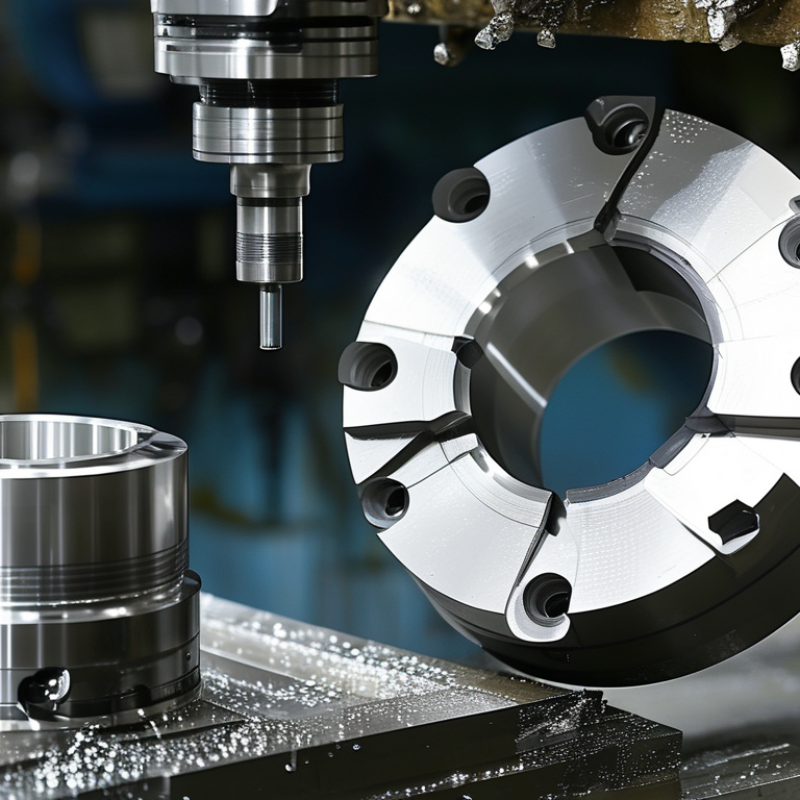
Understanding CNC Machining and Its Importance in 2026
CNC machining plays a vital role in modern manufacturing. The global CNC machining market is projected to reach over $100 billion by 2026, according to industry reports. This growth reflects the increasing demand for precision-engineered parts in sectors like aerospace and automotive. CNC machining allows for high accuracy in the production of complex shapes, which is essential for meeting strict industry standards.
In 2026, sourcing quality CNC machining parts is crucial. Companies must prioritize suppliers who utilize advanced technology, such as multi-axis machining centers. These machines enhance precision and reduce production time. However, not all suppliers meet these standards. Many companies face challenges in ensuring the reliability of their CNC parts. Reports indicate that about 30% of manufacturers struggle with quality control during the sourcing process.
Furthermore, the need for sustainability in manufacturing is becoming prominent. Many CNC machining operations are now required to adhere to environmental regulations. Companies that ignore these aspects may face repercussions. Safety and compliance should be top priorities. The evolving landscape of CNC machining demands constant attention and adaptation to new technologies and regulations. Balancing quality, sustainability, and cost-effectiveness is a challenge that many manufacturers will need to navigate in 2026.
Key Considerations for Selecting Quality CNC Machining Suppliers
When sourcing quality CNC machining parts in 2026, selecting the right suppliers is critical. Today’s market demands precision and reliability. According to recent industry reports, about 70% of production issues stem from poor supplier choices. Evaluating suppliers based on their certifications and experience is essential. Look for those with ISO 9001 certification. This standard ensures consistent quality management.
Engaging with suppliers through visits or virtual meetings can provide deeper insights. In a recent survey, 65% of engineers stated that personal connections improved trust and communication. Always ask to see past projects and customer testimonials. This practice allows you to gauge their expertise.
**Tip:** Prioritize suppliers who utilize advanced CNC technologies. This can lead to better tolerances and finishes.
Nevertheless, not all suppliers may meet your highest requirements initially. It’s crucial to have a backup plan. Many businesses underestimate the risks of sole sourcing. Diversifying your suppliers can safeguard against potential disruptions.
**Tip:** Implement regular reviews of supplier performance metrics. These reviews help identify areas for improvement, leading to mutual growth. You want to cultivate relationships that are built on transparency and reliability.
Quality CNC Machining Parts Sourcing Considerations in 2026
Evaluating Material Options for CNC Machined Parts
When sourcing CNC machined parts, evaluating the right materials is crucial. The choice of material affects performance, durability, and cost. Common options include aluminum, steel, and plastic. Each material has unique properties suitable for specific applications.
Aluminum is lightweight and corrosion-resistant, making it ideal for aerospace and automotive parts. Steel provides strength and durability, suitable for heavy-duty applications. However, the choice can be flawed. Aluminum may not withstand high-stress environments. Steel can add unnecessary weight.
Plastic is versatile and cost-effective but may lack strength. The trade-off between cost and performance must be considered. Sometimes, overemphasizing one factor can lead to subpar results. Understanding each material's limitations is essential for effective sourcing.
The Role of Technology in Enhancing CNC Machining Quality
In 2026, technology plays a crucial role in improving CNC machining quality. Advanced software tools enhance accuracy and reduce human error. Automation systems provide consistency in production. These innovations enable manufacturers to meet high standards efficiently. By integrating machine learning, CNC machines can now predict potential failures. This leads to less downtime and lower operational costs.
However, relying on technology introduces its own challenges. For instance, software glitches can disrupt production lines. Additionally, operators need extensive training to utilize complex systems effectively. Poor training may lead to misuse, resulting in defects. Manufacturers must strike a balance between technology and skilled labor. It's essential to continually evaluate both elements to ensure quality outcomes. Adopting a hybrid approach can mitigate some of these risks.
While technology offers improvements, human oversight remains vital. Engineers should routinely analyze machine output and adjust parameters. Engaging in regular inspections can highlight areas needing attention. By acknowledging these imperfections, companies can work towards better quality in CNC machining. This focus on continuous improvement is key to success in an ever-evolving industry.
Best Practices for Quality Control in CNC Machining Processes
Quality control in CNC machining is essential for ensuring precision and reliability in manufactured parts. According to recent industry reports, up to 30% of machining errors stem from inconsistencies in the machining process. Implementing rigorous quality checks can mitigate these issues and improve overall product quality. Regular calibration of CNC machines is one practice that can significantly reduce error rates. This process should be performed weekly or as per the manufacturer's suggestion.
Moreover, utilizing automated inspection systems can enhance accuracy. A report from the Association for Manufacturing Technology indicates that companies employing automated inspections see a 25% reduction in defect rates. These systems allow for unbiased evaluations of machined parts, catching flaws that human inspectors may overlook. However, introducing technology also requires training staff to understand and operate these systems.
Documentation plays a crucial role in quality control too. Proper logs of inspections and calibration help trace back through the production history. This practice not only aids in identifying recurring issues but also fosters accountability. Yet, many companies still struggle with maintaining comprehensive records, which can lead to recurring quality issues. Adjustments and reflections on these processes are necessary to elevate quality standards in CNC machining.
 Skip to content
