Skip to content
In today's interconnected world, power solutions are fundamental for global buyers. Reliable energy sources are crucial for maintaining operational efficiency and driving growth. Businesses face increasing demands for sustainable practices and cost-effective energy strategies. This shift highlights the importance of innovative power solutions.
The quest for energy resilience has never been more prominent. Global buyers need to adapt to fluctuating energy markets and policies. Transitioning to renewable energy sources, like solar and wind, is vital. However, the path is fraught with challenges, requiring careful planning and expert execution.
Power solutions play a pivotal role in reducing carbon footprints and enhancing energy security. Companies that invest in these solutions will gain a competitive edge. Buyers must navigate complex landscapes, balancing cost and reliability. Reflection on past strategies can lead to smarter investments in future power solutions.

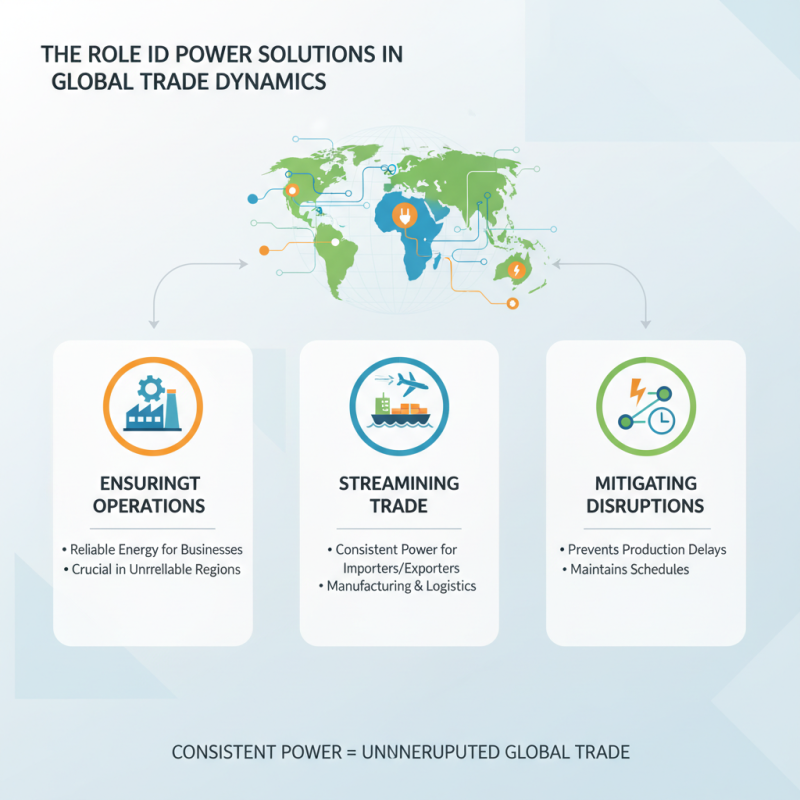
Power solutions play a crucial role in global trade dynamics. They ensure that businesses can operate efficiently, especially in regions with unreliable energy sources. Importers and exporters rely on consistent power to streamline their operations, whether it’s for manufacturing or logistics. Disruptions in power supply can severely impact production schedules and lead to delays.
Tips: Always consider the local energy infrastructure when planning international trade. Evaluate how power availability can affect your supply chain. Make contingency plans to handle power outages, especially in developing areas.
Moreover, power management affects costs directly. Businesses that invest in reliable power solutions gain a competitive edge. They can predict operational expenses more accurately. However, many overlook this aspect, risking inefficiencies. Rethink your energy strategy to identify potential savings and improvements.
Tips: Monitor power consumption to find areas for cost reduction. Engage with local experts to understand energy regulations in new markets. It's essential to adapt to local energy practices for better integration.
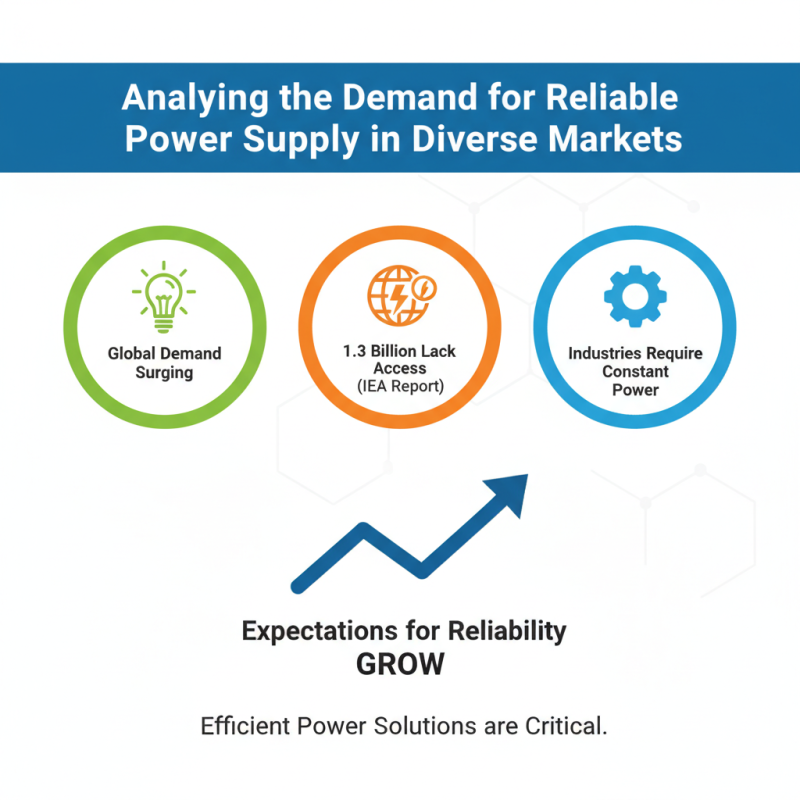
The global demand for reliable power supply continues to surge across various markets. According to a report by the International Energy Agency (IEA), nearly 1.3 billion people still lack access to electricity. This highlights the critical need for efficient power solutions. As industries evolve, the expectations for energy reliability grow.
Data from the World Bank indicates that businesses in developing regions often experience power outages for over 100 hours per year. This unreliability results in significant financial losses. In the manufacturing sector, for example, a lack of dependable power can disrupt production processes, leading to delays and wasted resources. Furthermore, companies are increasingly turning to renewable energy sources. Reports show that investments in renewable energy could exceed $2 trillion annually by 2030, showcasing a shift towards sustainable power solutions.
Yet, there are challenges. Transitioning to new energy sources requires substantial initial investment. The skills gap in renewable technologies also limits progress in some areas. Many firms face uncertainty regarding regulations and policies impacting energy production. Addressing these hurdles is imperative for global buyers seeking stable and sustainable power solutions. The urgency for reliable, diverse power systems will not diminish; it is integral to economic growth and stability.
Power solutions play a crucial role in enhancing supply chain efficiency for global buyers. A recent report by the International Energy Agency (IEA) highlights that energy disruptions can lead to a 25% increase in logistics costs. This is significant for businesses aiming to maintain profitability. Efficient power solutions ensure uninterrupted operations, thereby reducing unexpected costs.
Moreover, businesses increasingly recognize the importance of sustainable energy sources. According to McKinsey, companies implementing green energy solutions have seen a 30% reduction in energy costs over five years. This reduction directly translates into improved supply chain resilience. Companies that fail to adapt may find themselves lagging behind more agile competitors.
However, reliance on power solutions has its challenges. The transition to renewable energy often incurs high initial investments. Many firms hesitate, fearing financial implications. Yet, the long-term advantages often outweigh short-term concerns. Investing in power efficiency not only strengthens supply chains but also enhances overall competitiveness in a volatile market.
Global buyers face numerous challenges in power procurement.
Market volatility is a significant issue. Prices fluctuate due to supply and demand dynamics. Buyers must navigate these unpredictable changes while securing a stable power supply. Engaging in
long-term contracts can help, but these often come with their own risks, such as price lock-ins.
Another challenge is the regulatory landscape. Different regions have unique policies impacting power procurement. Compliance can be complicated and time-consuming. Navigating these regulations requires expertise. Buyers may also lack access to reliable information about local markets. Informed decisions depend on understanding these nuanced environments.
Sustainability is increasingly important, too. Many companies seek green energy solutions. Finding credible suppliers that can deliver renewable energy is vital but challenging. Balancing cost with sustainability goals often leads to difficult trade-offs. Buyers must reflect on which sacrifices they are willing to make in their procurement strategies. Each choice carries implications for their long-term objectives.
Emerging trends in power solutions are reshaping international business landscapes. A recent report from the International Energy Agency highlights that renewable energy sources will comprise 80% of global power capacity by 2030. This shift not only addresses climate change but also meets the growing demand for sustainable energy.
International buyers are now prioritizing energy efficiency. According to a study by McKinsey, organizations that invest in energy-efficient technologies can expect a return of up to 30% on their investments. However, the challenge remains for companies to find reliable power solutions that align with their unique operational needs. The increasing complexity of energy markets means that buyers must navigate various options, which can be overwhelming.
Moreover, energy security continues to be a vital concern. The World Economic Forum reported that 70% of businesses view energy risk management as critical. Buyers need to establish partnerships with local suppliers and invest in smart grids. These strategies can enhance the resilience of supply chains. As power landscapes evolve, companies must adopt a proactive approach to ensure their energy solutions are both sustainable and efficient.