Best Photovoltaic Bracket Tips for Maximum Solar Efficiency?
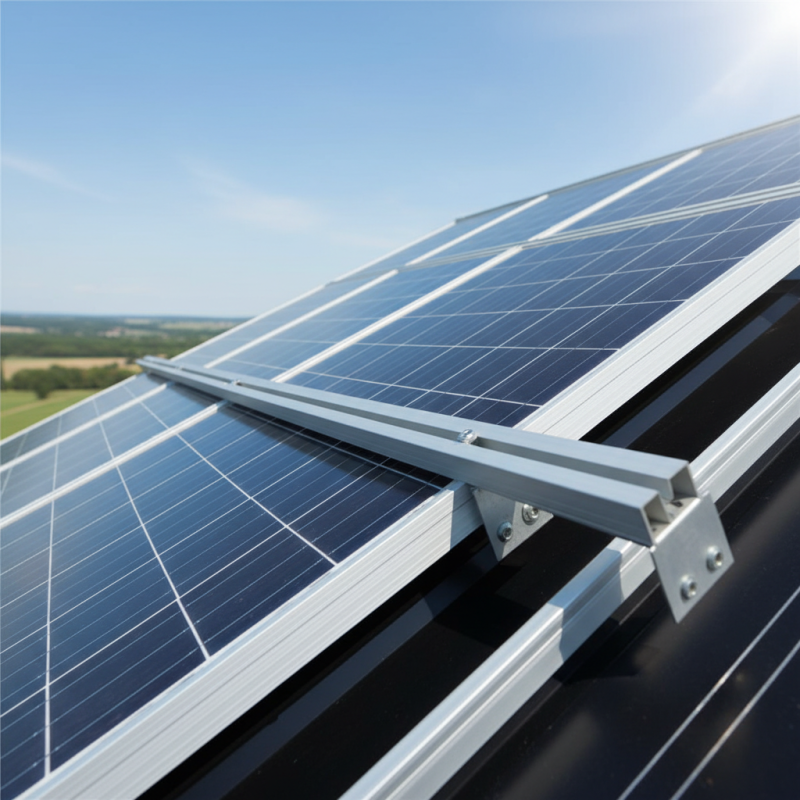
When aiming for maximum solar efficiency, the right fittings play a crucial role. A well-designed Photovoltaic Bracket can enhance the performance of solar panels significantly. These brackets are not just metal supports; they determine the angle and orientation of your solar system.
Choosing the proper bracket can be challenging. It requires attention to local weather conditions and panel type. Any oversight in this selection process can lead to decreased energy output. For instance, a poorly positioned Photovoltaic Bracket may result in shadows or obstructions that hinder performance.
Moreover, materials used for the brackets matter. Corrosion-resistant materials can prolong longevity but may not be necessary in all areas. Remember, every detail counts. Understanding your specific needs, though tedious, will lead to better decisions. Aiming for maximum efficiency requires continual learning and adjustment. Make informed choices, but also leave room for trial and error.
Best Practices for Selecting Photovoltaic Brackets to Optimize Solar Output
Selecting the right photovoltaic brackets is crucial for optimizing solar output. Research indicates that the angle of solar panels can significantly impact energy efficiency. By adjusting the tilt, systems can achieve up to 25% more energy production at peak hours. Many users overlook this detail, leading to suboptimal performance.
Durability is another vital factor. Burgeoning data from industry reports show that brackets made from high-quality aluminum and stainless steel last longer and resist corrosion better. Less durable materials can compromise structural integrity and lead to increased maintenance costs over time. Regular examination of brackets is often neglected but essential for long-term performance.
Installation plays a key role as well. Improper mounting can result in shaded areas, which diminish efficiency. A study revealed that even minimal shading can reduce output by 20% or more. Many installers rush through this process, neglecting to ensure optimal positioning. Investing time in thorough installation checks can maximize solar energy harvest.
Best Photovoltaic Bracket Tips for Maximum Solar Efficiency
| Bracket Type | Material | Tilt Angle | Load Capacity (kg) | Ease of Installation |
| Fixed Tilt Bracket | Aluminum | 30° | 100 | Moderate |
| Adjustable Tilt Bracket | Stainless Steel | Variable | 150 | Easy |
| Ground Mount Bracket | Galvanized Steel | Fixed | 200 | Moderate |
| Wall Mount Bracket | Aluminum | 90° | 80 | Difficult |
| Solar Canopy Bracket | Composite | Fixed | 250 | Moderate |
Understanding the Impact of Solar Panel Angle on Energy Production Efficiency
The angle of solar panels plays a crucial role in energy production efficiency. When installed at the right tilt, solar panels can capture more sunlight. A general rule is that solar panels should be angled at a degree closer to the latitude of your location. This means, in some regions, panels may need annual adjustments to maximize exposure.
However, achieving the perfect angle is often complicated. Seasonal changes and local weather patterns can affect the amount of sunlight received. Many installations might not reflect accurate angles due to structural limitations. Such factors can result in less efficient energy production than anticipated.
Sometimes, homeowners overlook the importance of regular assessments. Neglecting to monitor the performance of solar panels can lead to missed opportunities. Dust, debris, or misalignment over time can affect output significantly. It’s essential to reevaluate panel angles periodically for optimal performance.
Analyzing Material Choices for Durability and Thermal Conductivity in Brackets
When selecting materials for photovoltaic brackets, durability and thermal conductivity are crucial. High-quality materials like aluminum and stainless steel offer significant advantages. Research indicates that aluminum has excellent thermal conductivity, making it ideal for heat dissipation. Specifically, aluminum can conduct heat up to 205 W/m·K, which helps maintain solar panel efficiency.
However, there are trade-offs. While aluminum is lightweight and resistant to corrosion, it may not have the same strength as stainless steel. For instance, stainless steel brackets typically support higher loads but can be heavier and more costly. A study by the National Renewable Energy Laboratory highlighted that choosing the wrong material can decrease the lifespan of solar installations by 25%. This can lead to unexpected replacement costs and time delays.
Thermal expansion is another factor to consider. Materials expand differently under temperature changes. A mismatch can cause stress in the system, potentially leading to failure. It's vital to conduct thorough analysis and simulations before finalizing material choices. Overall, what's best for your solar installation might require more than just standard solutions. A close look at your specific needs will lead to better outcomes.
Importance of Wind Load Ratings in Designing Secure Photovoltaic Installations
When designing photovoltaic installations, wind load ratings play a crucial role. According to the National Renewable Energy Laboratory, wind can exert forces exceeding 200 pounds per square foot on solar panels. This underscores the importance of ensuring that brackets can withstand such pressures. Secure installations help prevent damage and ensure longevity.
Additionally, studies show that over 14% of solar systems fail due to inadequate wind load considerations. This is a staggering statistic for a growing industry. Many installations don’t account for local wind patterns or typical storm conditions. It's vital to evaluate site-specific data when selecting mounting systems.
Engineers should consider both static and dynamic loads. The latter can significantly impact performance during strong winds. Often, standard practices aren’t enough. Installers must be meticulous in their design processes, even taking into account the age of existing structures. Failing to do so could result in costly repairs or system outages.
Investing in thorough analysis and robust design will maximize efficiency and ensure the sustainability of solar energy projects.
Regular Maintenance Tips to Enhance Longevity and Performance of Solar Brackets
Proper maintenance of solar brackets is crucial for optimizing solar panel performance. Keep the brackets clean. Dirt and debris can accumulate over time. This buildup may lead to shading, reducing efficiency. Regularly check for corrosion or rust. If left unchecked, these issues can compromise the structure of your solar system.
Inspect the alignment of solar panels too. Misalignment can occur due to weather events or settling. A slight tilt may significantly affect energy production. Furthermore, ensure that fasteners are tight. Loose bolts can lead to movement and strain. Such mechanical issues often go unnoticed but can have serious implications.
Consider seasonal checks for your system. Each season can bring different challenges. Snow and ice buildup in winter can add weight. In contrast, intense sun can cause expansion or contraction of materials. Documenting these inspections will help track any recurring issues. It’s an opportunity to reflect on performance and identify areas of improvement.
Best Photovoltaic Bracket Tips for Maximum Solar Efficiency
This chart illustrates the impact of regular maintenance on solar bracket efficiency over a year. Regular inspections and upkeep can significantly enhance the performance and longevity of solar brackets.
 Skip to content
