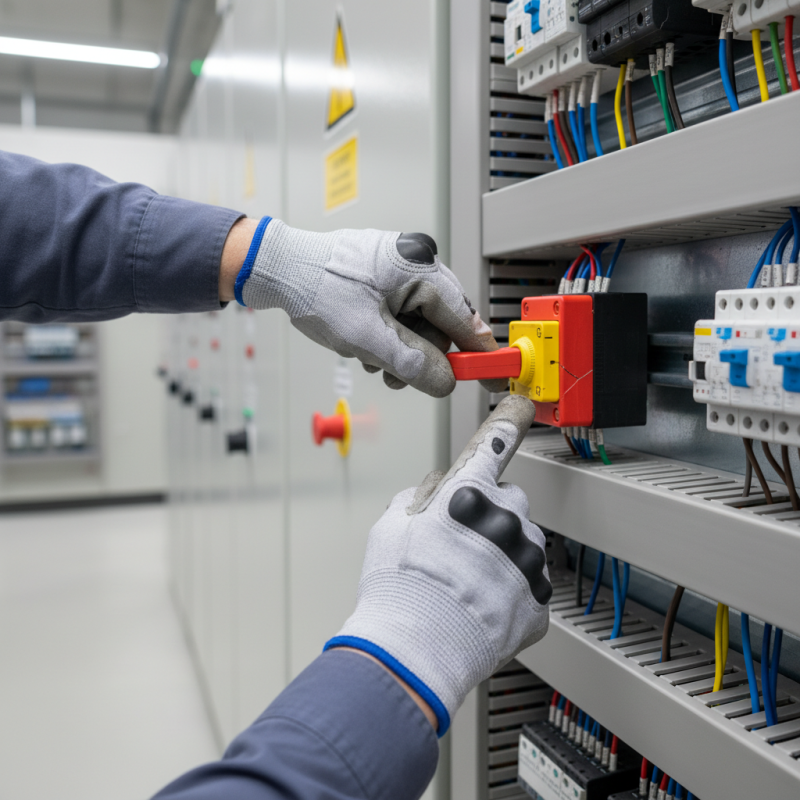
Top Isolation Switch Tips for Safe Electrical Management?
Effective electrical management is crucial for safety and efficiency. Isolation Switches play an essential role in this process. These devices can disconnect electrical circuits, allowing for safe maintenance and troubleshooting.
However, many users overlook the importance of proper usage and installation. Regular checks and understanding the function can prevent dangerous situations. A malfunctioning isolation switch poses risks, impacting both equipment and personnel safety.
While isolation switches are designed for reliability, human error can lead to significant issues. Users should remain vigilant about their condition. Ignoring minor signs of wear can lead to major problems later. Awareness and education are vital for managing electrical systems safely and effectively.
Best Practices for Selecting Isolation Switches in Electrical Systems
When selecting isolation switches for electrical systems, several critical factors come into play. Data from industry reports indicates that around 30% of electrical failures are linked to improper switch selection. Isolation switches must match the voltage and current ratings of the specific application. Incorrect specifications can lead to operational inefficiencies or hazards.
Additionally, consider the durability and environmental ratings of the switches. A study showed that 25% of electrical accidents occur due to switch failure in adverse conditions like moisture or dust. It’s vital to ensure that switches have appropriate IP ratings for their intended locations. Look for switches that not only comply with standard safety regulations but also fit the unique environmental needs of your facility.
Another aspect often overlooked is ease of accessibility. Research shows that poorly placed switches can delay emergency responses, risking safety. Ensuring that isolation switches are easily reachable can be lifesaving during critical situations. Reflecting on these details can significantly enhance your electrical management strategies. Making informed choices now can prevent bigger issues later.
Understanding the Functionality of Isolation Switches for Safety
Isolation switches play a crucial role in electrical safety. They ensure that circuits can be completely disconnected from the power source. This is vital during maintenance or emergencies. According to recent industry data, 30% of electrical accidents occur due to improper isolation procedures. Thus, understanding the functionality of these switches is imperative.
Isolation switches can vary in design and operation. The two main types are manual and automatic switches. Manual switches require direct operator input, while automatic switches engage based on specific conditions. In practice, having both types present can enhance safety. However, some users forget to employ manual switches. This can lead to dangerous situations. Proper training on isolation switches is often overlooked as well.
Industry reports indicate that up to 50% of workers lack awareness about isolation protocols. This gap in knowledge can result in significant risks. Regular safety audits and training sessions can aid in mitigating these issues. Yet, some organizations neglect these fundamental safety practices. A greater focus on understanding how isolation switches function will ultimately lead to safer working environments.
Top Isolation Switch Tips for Safe Electrical Management
This chart illustrates the effectiveness of different types of isolation switches in preventing electrical hazards. The data reflects the percentage of users who reported improved safety when using various types of isolation switches in their electrical systems.
Key Safety Standards and Regulations for Isolation Switches
Isolation switches play a critical role in electrical safety. Adhering to key safety standards and regulations is vital for effective management. One important standard is IEC 60947-3, which focuses on the performance and safety of electrical switchgear. Compliance with this standard ensures proper isolation between high-voltage equipment and operators. Regular testing and maintenance of these switches contribute to safer environments.
Another relevant regulation is OSHA's electrical safety guidelines. These set expectations for safe work practices. Workers must receive proper training on isolation procedures. They should know how to recognize and correctly operate isolation switches. However, often, inadequate training leads to mishaps. Sometimes, workers skip these essential steps due to time pressure. Encouraging a culture of safety over speed is crucial.
In addition to following regulations, monitoring and regularly inspecting switches is essential. Many users neglect this aspect, thinking it’s unnecessary. However, this oversight can lead to failures during critical moments. Isolation switches should be visibly marked and easy to access. This visibility is crucial during emergencies. Clear instructions should accompany the equipment. Yet, many sites lack comprehensive signage. This gap can create dangerous situations.
Top Isolation Switch Tips for Safe Electrical Management
| Tip | Description | Key Standards | Frequency of Inspection |
| Regular Maintenance | Ensure that isolation switches are maintained regularly to prevent failures. | IEC 60947-3 | Every 6 months |
| Proper Rating | Select isolation switches that match the electrical load requirements. | UL 508 | Annually |
| User Training | Train personnel on the correct operation and safety procedures for isolation switches. | OSHA Standards | Every 2 years |
| Labeling | Clearly label all isolation switches for easy identification. | ANSI Z535 | Upon installation |
| Emergency Access | Ensure isolation switches are easily accessible in case of emergency. | NFPA 70E | Ongoing |
Common Installation Mistakes and How to Avoid Them
When it comes to electrical management, installation mistakes can lead to serious hazards. According to the National Fire Protection Association (NFPA), electrical failures are a leading cause of home fires. Many of these failures stem from improper handling of isolation switches. It's essential to identify these common pitfalls to enhance safety.
One frequent mistake is inadequate labeling. Without clear labels, confusion may arise during maintenance. It's crucial to ensure every switch is marked accurately. This helps technicians know which circuit they are working with. Misunderstanding circuit functions can lead to accidents.
Another common error is overlooking the voltage ratings. Isolation switches must match the voltage of the system. If a switch is underrated, it may fail under load. This can result in equipment damage or, worse, electrical shock. Always verify voltage specifications for your switches.
Tip: Regular inspection of your isolation switches can save lives. Check for corrosion, loose connections, and wear. Addressing minor issues early can prevent significant problems down the line. Taking proactive measures is essential for a safe environment.
Routine Maintenance Tips for Ensuring Isolation Switch Reliability
Routine maintenance is crucial for the reliability of isolation switches. A recent report indicates that nearly 30% of electrical failures can be traced back to inadequate maintenance. Regular checks can prevent these issues and enhance safety in electrical management. Inspecting connections and ensuring no corrosion or wear can extend the lifespan of isolation switches significantly.
Tips for routine maintenance include scheduling monthly inspections. Look for signs of overheating or unusual noises. These could indicate underlying issues. Cleaning the contacts regularly is essential. Dust and debris can cause operational failures.
Another crucial aspect is to document maintenance activities. Many companies fail to keep proper records, which can lead to oversight. Ensure that each maintenance session is logged with details on the condition and any minor repairs performed. This practice helps track trends over time and aids in planning future maintenance efforts. Regular evaluations help in understanding the overall health of the electrical system.
 Skip to content