2026 How to Properly Use a Motor Disconnect for Safety and Efficiency?
In industrial settings, safety and efficiency are paramount. A crucial device that enhances both is the motor disconnect. This tool serves as a safety mechanism, allowing for quick power disconnection during maintenance. However, improper use can lead to accidents. Ensuring that workers understand the functionality of a motor disconnect is essential. Training must cover its correct operation and potential risks.
Many operators may not fully grasp the importance of these devices. Often, they overlook the need for regular inspection. Neglecting these aspects can result in dangerous situations. A motor disconnect should be easily accessible during emergencies. Yet, if placed incorrectly, it becomes ineffective. This highlights the need for proper placement and signage.
Clear understanding is vital, but challenges remain. Workers might hesitate to use the disconnect in emergencies due to fear or uncertainty. Regular drills can help alleviate this issue. Additionally, organizations should encourage feedback on current practices. Reflecting on usage can lead to improvements. By addressing these concerns, teams can create a safer workspace with effective use of motor disconnects.
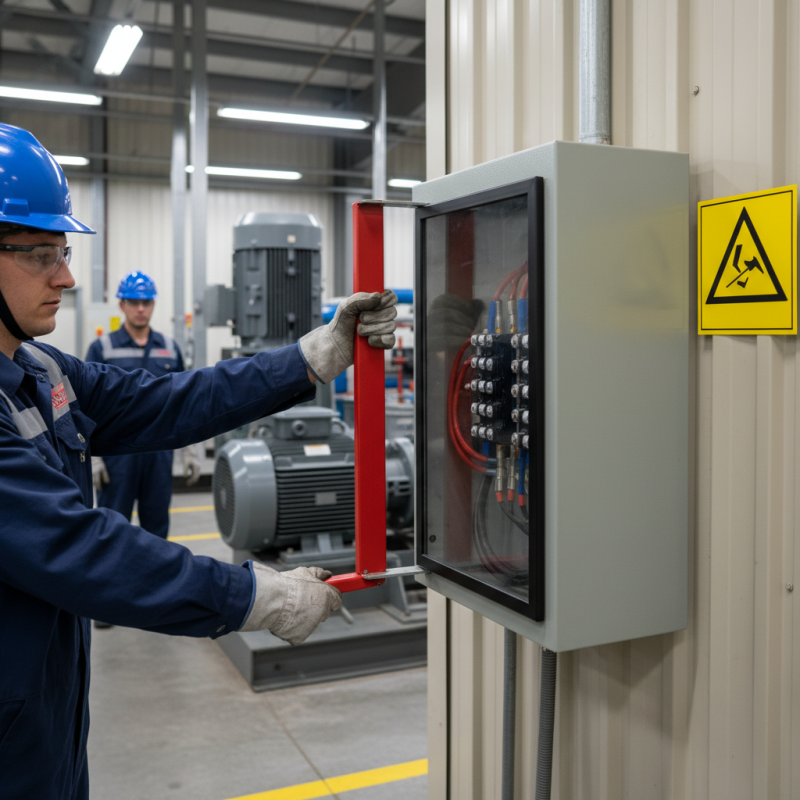
Understanding Motor Disconnects: Types and Applications
Motor disconnects are critical devices for ensuring safety and efficiency in electrical systems. There are various types of motor disconnects, including rotary switches and load break switches. Each type serves a specific purpose depending on the application and environmental needs. According to a report by the National Electrical Manufacturers Association, proper identification and usage of these devices can reduce workplace accidents by up to 40%.
In industrial settings, it’s essential to select the right disconnect based on load requirements and frequency of operation. A disconnect that is too small can fail during overload situations. Conversely, an oversized disconnect can lead to inefficiencies and increased energy consumption. Studies show that improper disconnect usage can lead to equipment failures, costing businesses thousands in repairs.
Maintenance is another aspect that is often overlooked. Regular inspections are vital. According to the Electrical Safety Foundation International, nearly 70% of electrical accidents could be prevented with routine checks. Many facilities neglect this, leading to serious repercussions. A simple error in a disconnect's operation procedure can result in hazardous conditions. Understanding these devices is not merely an option; it’s a necessity for safety and efficiency.
Key Safety Considerations When Using Motor Disconnects
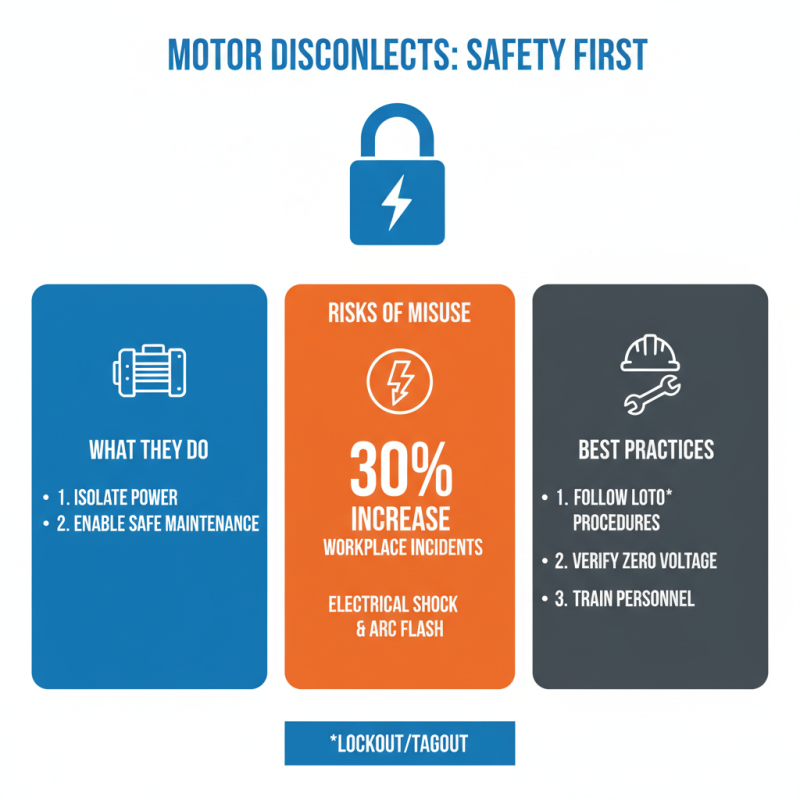
When using motor disconnects, safety is paramount. These devices serve as crucial components in electrical systems, providing a method to safely isolate motors for maintenance or emergencies. According to a recent industry report, improper use of disconnects can lead to a 30% increase in workplace electrical incidents. Understanding the right protocols is essential for preventing accidents.
One key consideration is ensuring the disconnect is easily accessible. It should be labeled clearly and located near the motor. This minimizes the risk of confusion during emergencies. Regular testing of the disconnects is vital. Reports show that 25% of disconnects fail during maintenance checks due to lack of testing.
Tips: Always provide training sessions for all operators. Use visual aids to demonstrate proper usage. Keep a log of maintenance checks to track any issues. Monitoring these factors can significantly improve safety and efficiency.
Another vital aspect is the proper selection of the disconnect. Not all disconnects are created equal; they vary in power ratings and applications. Choosing the wrong type can lead to inadequate performance. It's essential to consult guidelines and evaluate the specific requirements of your motors.
Mistakes happen, even in well-trained teams. Sometimes, a disconnect may be overlooked during routine checks. These oversights can result in dire consequences. Regular audits can help catch these lapses before they become problematic.
Best Practices for Regular Maintenance and Inspection
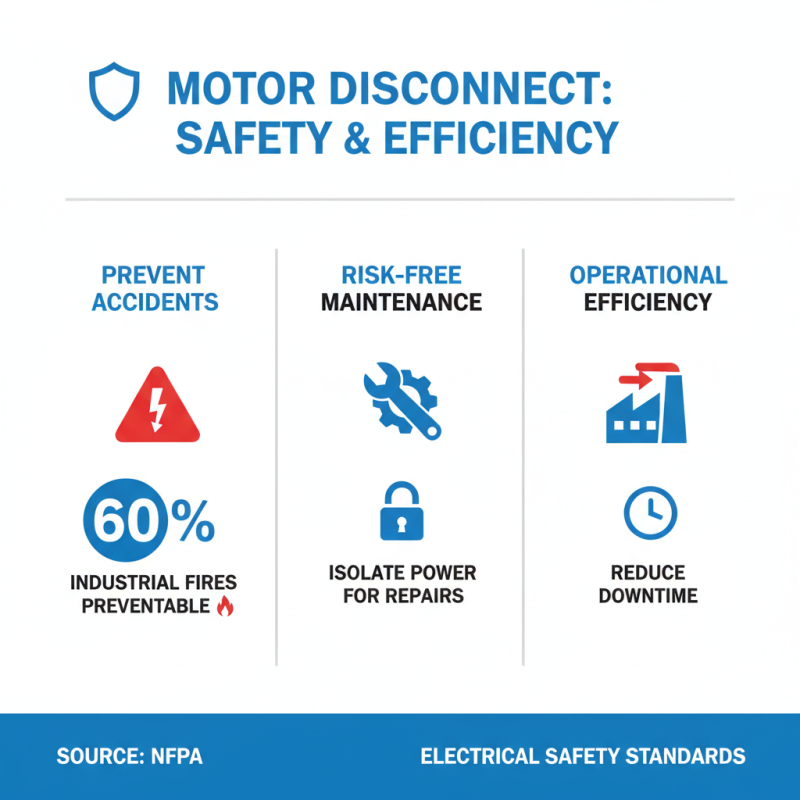
Proper maintenance and inspection of motor disconnects are crucial for safety and efficiency. According to a study by the National Fire Protection Association, electrical failures cause around 26,000 structure fires annually. Regular checks can significantly mitigate this risk. Inspecting hinges, electrical connections, and enclosures should be routine. Any signs of corrosion or wear can lead to failures.
Scheduled inspections can extend the life of the motor disconnect. Reports show that proactive maintenance can reduce operational costs by up to 30%. Yet, many facilities delay these essential tasks. The failure to act on small signs often leads to larger issues later. Additionally, a lack of documentation can make it hard to track the history of maintenance, leading to overlooked tasks.
Inconsistent inspection intervals can introduce risks. Operators may not thoroughly examine disconnects before use. Ensuring staff is adequately trained on these practices is vital. Minor adjustments can make a considerable difference in safety and efficiency. A small investment in regular maintenance often yields significant returns over time.
Troubleshooting Common Issues with Motor Disconnects
When troubleshooting motor disconnects, it's crucial to identify common issues. One frequent problem is inconsistent operation. If a motor fails to start or abruptly stops, the disconnect could be faulty. Check for physical damage. Look for loose connections or burnt contacts.
Tips: Regularly inspect the disconnect for wear and tear. Clean any debris to ensure proper functionality. Use a voltage tester to check if power reaches the motor after disengagement.
Another common issue is overheating. Overloaded circuits can cause disconnects to malfunction. Ensure that the motor is not exceeding its rated capacity. If overheating occurs, shut down operations. Give both the motor and disconnect time to cool off before checking again.
Tips: Monitor the motor's amp draw. If it's consistently high, consider resizing the motor. This can prevent breakdowns and ensures efficiency. Regular maintenance can save time and resources.
Motor Disconnect Usage and Efficiency Analysis
 Skip to content