10 Essential Tips for Efficient Electric Power Distribution
Electric power distribution is a critical component of modern infrastructure. In the United States alone, the electric power distribution system accounts for approximately 42% of the total electricity consumption, according to the U.S. Energy Information Administration. Efficient distribution not only ensures reliable energy supply but also reduces costs and environmental impacts. As our energy demands increase, inefficiencies in this sector can lead to significant challenges.
Many utilities struggle with aging infrastructure and outdated technologies. Reports indicate that nearly 70% of distribution transformers are over 25 years old, which raises concerns over reliability and maintenance. Furthermore, the growing integration of renewable energy sources adds complexity to electric power distribution. This requires innovative approaches and strategic planning.
In grappling with these challenges, industry leaders seek actionable strategies. Emphasizing efficiency in electric power distribution is not just beneficial—it is necessary. Each improvement can yield substantial economic and environmental gains. A focus on proactive measures can mitigate risks and enhance service quality, ultimately leading to a more sustainable energy future. Reflecting on these issues paves the way for effective solutions in electric power distribution.
Understanding the Basics of Electric Power Distribution Systems
Electric power distribution systems play a vital role in bringing energy from generation sites to consumers. These systems are composed of various components, including substations, transformers, and distribution lines. Understanding how they work is crucial for effective management and maintenance. Each component has specific functions that ensure the reliable delivery of electricity.
One key aspect to consider is the balance of supply and demand. If there’s too much load on a system, it can lead to outages or damage. Monitoring these loads is essential. Sometimes, unexpected issues arise, like weather events or equipment failures. Proper planning and quick response can mitigate these risks. However, many systems still face challenges, highlighting areas for improvement.
Investment in technology can enhance efficiency. Smart grid systems enable better data collection and real-time monitoring. These advancements can lead to more informed decisions. Yet, integrating new technologies often reveals gaps in existing infrastructure. Adapting to these changes requires ongoing evaluation. Striving for efficiency in electric power distribution is a continuous journey, with lessons learned along the way.
Electric Power Distribution Efficiency
Identifying Key Components in Efficient Power Distribution Networks
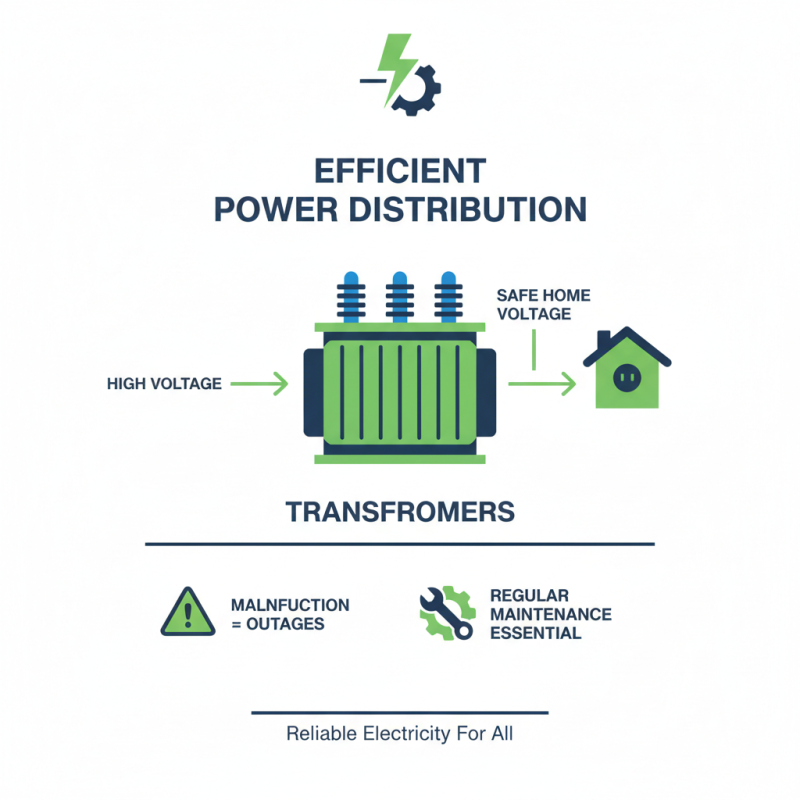
Efficient power distribution networks rely heavily on key components. Transformers are crucial. They step down voltage levels for safe transmission. Without them, electricity cannot reach homes effectively. This transition is not always smooth. Transformers can malfunction, leading to outages. Regular maintenance is essential.
Cables and conductors form the backbone of power distribution. They carry electricity from substations to consumers. Poor quality cables can lead to energy losses. It's vital to choose dependable materials. However, even the best systems face challenges. Overhead lines are susceptible to weather damage. Underground lines, while safer, can be costly to install and repair.
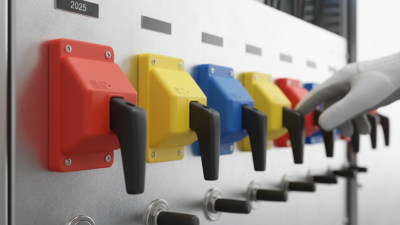
Distribution panels are another critical element. They manage the flow of electricity within buildings. A poorly designed panel can create bottlenecks. This can cause unexpected shutdowns. Designing an efficient power distribution network requires thorough planning. It’s not enough to have strong components; they must work well together.
Strategies for Optimizing Load Management and Distribution Efficiency
Efficient load management is crucial for optimizing power distribution. One key strategy is to monitor consumption patterns. By analyzing usage data, utilities can identify peak hours. This allows for better allocation of resources during those times. Real-time data can be a game-changer for operators.
Implementing smart grid technology is another significant step. It can help in balancing supply and demand. With automated systems, adjustments can be made quickly. However, the installation process can be costly and complex. Utilities must weigh these factors carefully. Moreover, consumer awareness plays a pivotal role. Engaging users about their energy use can lead to more responsible behaviors.
Adjusting power generation methods can also enhance efficiency. Renewables should be integrated into the grid more effectively. Yet, this transition comes with challenges. Infrastructure may need upgrades, and regulations can hinder progress. Regular assessments of these strategies will help ensure optimal outcomes. Identifying areas for improvement is essential for future success.
Implementing Smart Grid Technologies for Enhanced Power Distribution
Implementing smart grid technologies transforms electric power distribution, making it more efficient and reliable. The International Energy Agency reports that incorporating smart grid systems can lead to a 20% reduction in energy losses. This not only enhances operational efficiency but also supports sustainability goals.
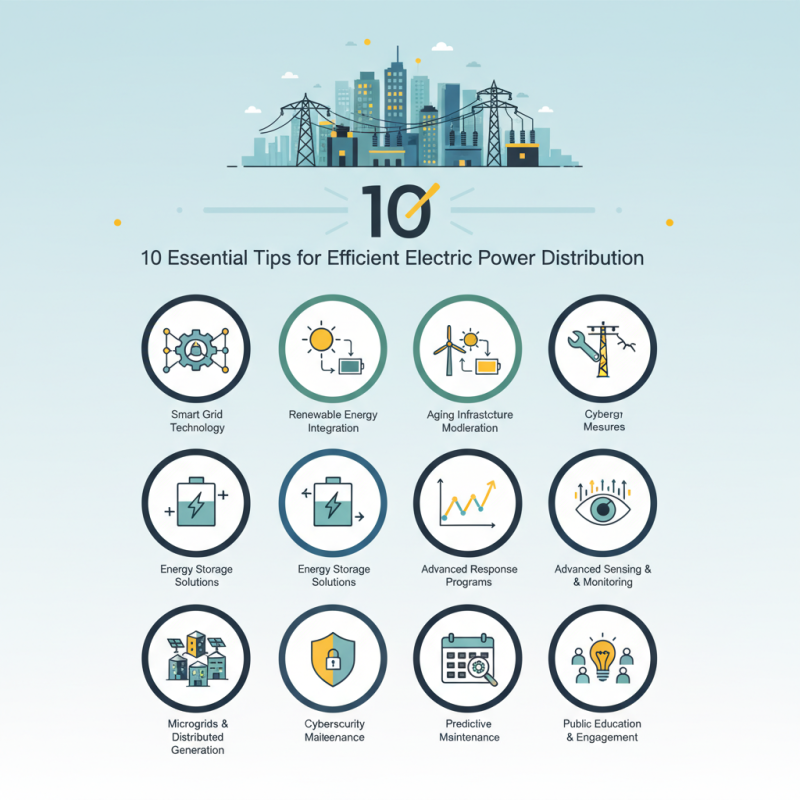
One essential tip for efficient power distribution is utilizing advanced metering infrastructure (AMI). AMI allows real-time data collection and improves demand response strategies. This technology helps manage peak loads effectively. Additionally, integrating energy storage solutions can aid in balancing supply and demand. Deploying energy storage can increase flexibility in handling renewable energy sources like solar and winds.
Another crucial aspect is ensuring cybersecurity measures are in place. As grids become smarter, they also become more vulnerable to attacks. Data from the U.S. Department of Energy highlights that cyber incidents can disrupt service and lead to significant financial losses. Regular assessments and updates to security protocols are necessary to protect critical infrastructure. However, many utilities still lag in this area. Evaluating both physical and digital vulnerabilities is vital.
Best Practices for Maintenance and Monitoring of Power Distribution Lines
Maintaining and monitoring power distribution lines is essential for efficiency. Regular inspections can prevent unexpected outages. It’s important to check for wear and tear on wires, insulation, and connectors. Visual inspections can catch potential issues early. However, they are not foolproof. Some problems may remain hidden until they become serious.
Using technology can enhance monitoring efforts. Remote sensors can detect abnormalities in real-time. They provide valuable data on voltage, current, and temperature. But technology can also fail. A sensor might malfunction or data may be misinterpreted. It’s crucial to have backup systems in place. Regular updates and calibration of equipment can help mitigate these risks.
Employee training is vital for effective maintenance. Workers should understand the importance of safety protocols. Dangerous conditions can arise during maintenance. However, not all workers may follow guidelines consistently. Regular drills can reinforce safe practices, but human error is always a risk. A culture of safety must be consistently nurtured to ensure everyone remains vigilant.
10 Essential Tips for Efficient Electric Power Distribution - Best Practices for Maintenance and Monitoring of Power Distribution Lines
| Tip Number |
Tip Description |
Frequency of Check |
Responsible Team |
| 1 |
Regular visual inspections of power lines for visible damage. |
Monthly |
Field Maintenance Team |
| 2 |
Thermal imaging to detect hotspots and potential failures. |
Quarterly |
Reliability Team |
| 3 |
Routine maintenance of transformers and substations. |
Annually |
Maintenance Engineering Team |
| 4 |
Regular monitoring of load and energy consumption. |
Weekly |
Control Room Team |
| 5 |
Implementing an asset management system for better oversight. |
Ongoing |
Asset Management Team |
| 6 |
Regular training for field personnel on safety protocols. |
Bi-annual |
HR and Safety Team |
| 7 |
Conducting audits of maintenance practices and schedules. |
Annually |
Quality Assurance Team |
| 8 |
Utilizing smart grid technology for real-time monitoring. |
Continuous |
IT and Engineering Team |
| 9 |
Establishing a clear response plan for outages and failures. |
Annual Review |
Operations Team |
| 10 |
Maintaining communication with customers regarding outages. |
Ongoing |
Customer Service Team |
 Skip to content