Why Are Power Switches Essential for Your Smart Home Setup?
In the modern era of smart homes, power switches play a crucial role. They serve as the gateways to a seamless and efficient living experience. With these devices, homeowners can control lighting, appliances, and security systems effortlessly. Imagine walking into a room and having your smart lights turn on automatically. Power switches make this possible.
The growing reliance on technology in our daily lives emphasizes the importance of reliable power switches. These devices enhance the usability of other smart home features. However, not all power switches perform equally. Some may fail to connect with your devices, leading to frustration. This inconsistency calls for careful selection and understanding of the options available.
Moreover, the integration of power switches into your smart home setup raises questions. Are they secure enough? Do they provide the energy efficiency that homeowners seek? Exploring these details uncovers their true value. So, recognizing the significance of power switches is essential as we adapt to technology's evolving role in our homes.
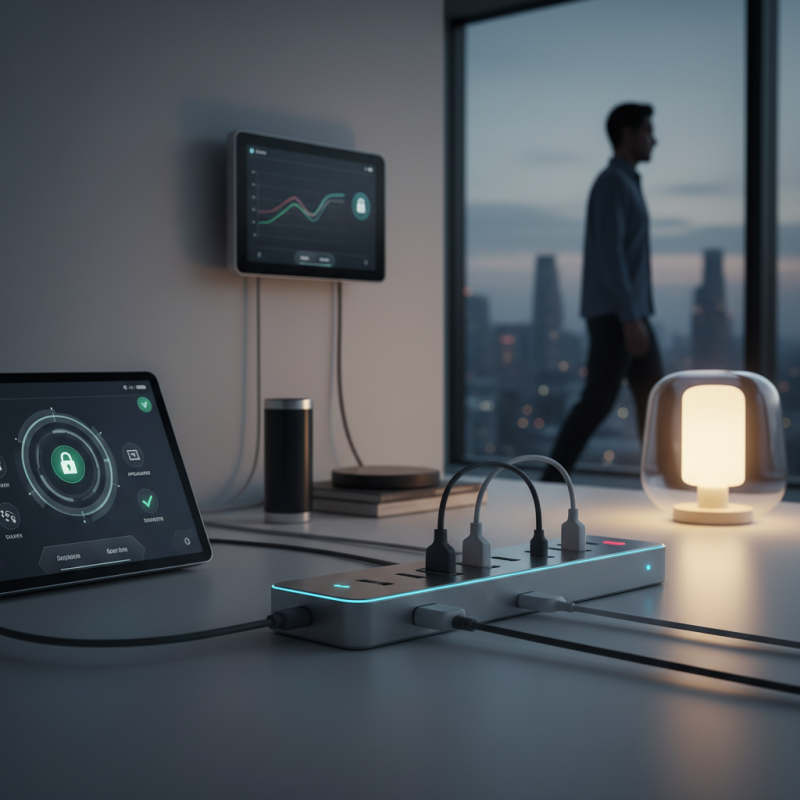
The Role of Power Switches in Smart Home Efficiency Optimization
Power switches are crucial in optimizing smart home efficiency. They act as the control centers for various connected devices, allowing you to manage their power use. With features like scheduling and remote access, these switches enable homeowners to reduce energy consumption during peak hours. For example, you can program your lights to turn off when they are not needed, avoiding waste.
Incorporating smart power switches also allows for better monitoring of energy usage. Many devices will track energy consumption in real time. This data helps identify power-hungry devices that may be overlooked. By analyzing this information, homeowners can make informed decisions about which devices to upgrade or replace.
Yet, it's essential to note that the installation may not be straightforward. Some users might struggle with setup or connectivity issues. Regular maintenance and software updates are also necessary to ensure consistent performance. Addressing these challenges can ultimately lead to a more efficient and smart home experience.
Why Are Power Switches Essential for Your Smart Home Setup?
| Feature |
Importance |
Efficiency Gain (%) |
Use Case |
| Remote Control |
Allows users to operate devices from anywhere |
20% |
Lighting systems |
| Energy Monitoring |
Tracks energy usage and costs |
15% |
Home appliances |
| Scheduling |
Automates device operations based on time |
30% |
Heating and cooling systems |
| Integration with Voice Assistants |
Facilitates hands-free control |
25% |
Home entertainment |
| Automated Scenes |
Creates predefined settings for multiple devices |
35% |
Movie night |
Safety Benefits of Power Switches for Smart Home Devices
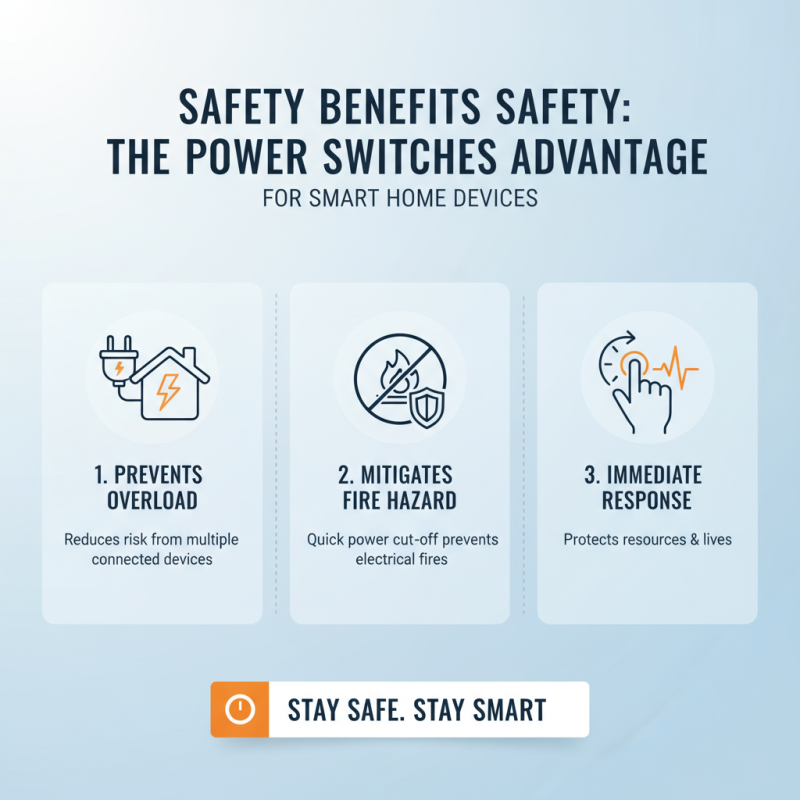
Power switches play a critical role in enhancing the safety of smart home devices. When multiple devices are connected, the risk of overload increases significantly. A power switch allows homeowners to cut off power quickly, reducing the chance of electrical fires. This immediate response can save valuable resources and even lives.
In addition, smart devices are often left plugged in when not in use. This poses a risk of malfunction or damage. A power switch ensures that energy is not wasted unnecessarily, minimizing fire hazards. Occasionally, neglected devices can cause unforeseen issues. Having a power switch provides a sense of control and peace of mind.
While modern technology brings convenience, it can also lead to complacency. Users may forget to turn off devices, increasing the likelihood of electrical issues. An accessible power switch serves as a vigilant reminder to manage smart home safety actively. Ultimately, it blends safety with ease of use, making it an essential component of any smart home setup.
Integration of Power Switches with Smart Home Automation Systems
Power switches play a crucial role in smart home automation. They serve as the backbone of integrated systems, allowing users to control devices efficiently. According to a 2022 report by the International Data Corporation (IDC), 70% of smart home users appreciate the convenience of remote power management. This data underscores the importance of reliable power switches in seamless automation.
Integration of power switches enables various devices to communicate. Smart light bulbs, thermostats, and security cameras work better when connected through these switches. The absence of a unified control mechanism might lead to frustration. A survey by Parks Associates found that 55% of consumers face challenges in managing multiple smart devices. Such obstacles highlight the need for effective power management solutions in modern homes.
Furthermore, while the benefits are clear, issues can arise. Compatibility between different devices is often a concern. A lack of standardization creates gaps in functionality. Users may find it hard to configure their systems correctly. This can lead to wasted energy and unmet expectations. Addressing these challenges is essential for enhancing the overall smart home experience.
Importance of Power Switches in Smart Home Setup
Impact of Power Switches on Energy Consumption and Cost Savings
Power switches play a critical role in managing energy consumption in smart homes. They allow users to control devices remotely, providing convenience and efficiency. By turning off appliances when not in use, these switches can significantly reduce energy waste. Homeowners often underestimate the amount of energy consumed by devices in standby mode. A power switch can help eliminate this waste easily.
Moreover, power switches can lead to notable cost savings. They enable homeowners to track energy usage more accurately. Many smart switches come with features that provide usage reports, highlighting which devices use the most energy. This data can help in making informed decisions about energy consumption. It might seem unnecessary to analyze every device, but small changes add up.
However, it's easy to overlook the importance of these devices. People may buy smart home gadgets but forget to include smart switches. This oversight can lead to higher bills and a less efficient home. Reflecting on your current setup can uncover inefficiencies. Re-evaluating the role of power switches can transform your energy management strategy.
Advancements in Smart Power Switch Technology and User Convenience
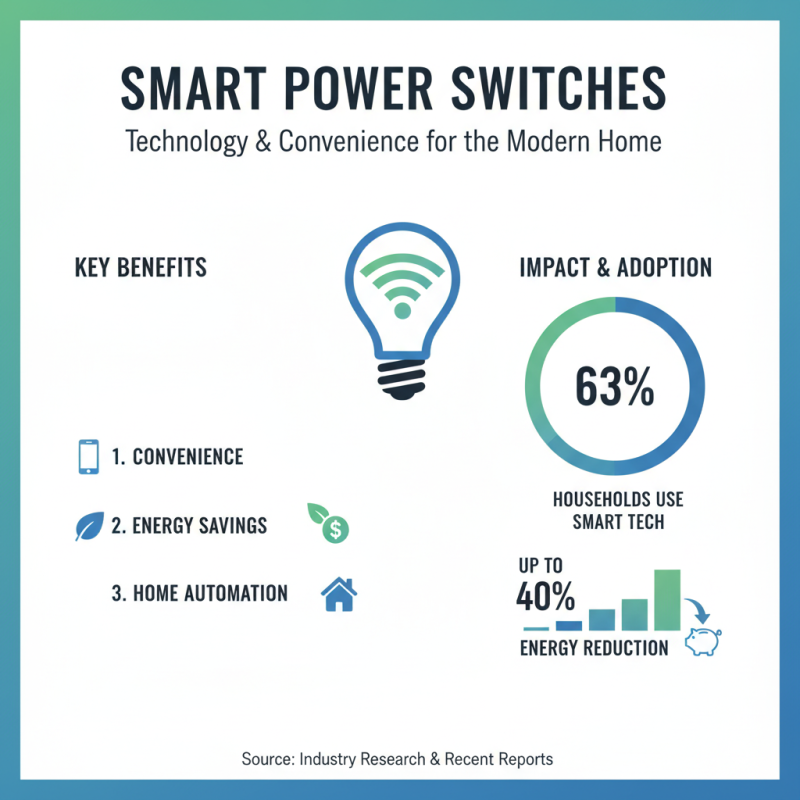
Smart power switches have revolutionized the way we interact with our home environments. According to industry research, nearly 63% of households use some form of smart technology today. This surge in adoption is often driven by the quest for convenience and energy efficiency. A recent report indicated that smart switches can reduce energy consumption by up to 40%, translating into substantial savings for homeowners.
Technological advancements play a significant role in user convenience. Many modern smart switches allow remote access via smartphones, enabling users to control appliances from virtually anywhere. These devices often integrate seamlessly with voice-activated systems, which a study noted is now present in 50% of smart homes. However, despite their benefits, some users still struggle with installation and compatibility issues, raising concerns about whether the benefits truly outweigh the potential inconvenience.
Moreover, security remains a critical aspect of smart switch technology. Reports suggest that 30% of smart home users worry about hacking and privacy breaches. While many manufacturers prioritize encryption and secure connections, the complexities of modern technology can lead to vulnerabilities. Thus, ongoing education and honest dialogues about potential risks are vital for ensuring public trust and effective use of smart power switches.
 Skip to content