Essential Power Switches Tips You Need to Know for Your Home and Office
In today's world, the significance of power switches in our home and office environments cannot be overstated. As an integral component of electrical systems, power switches not only control the flow of electricity but also enhance safety and convenience. According to electrical engineer Dr. Emily Carter, a recognized authority in the field, "Understanding the fundamentals of power switches empowers homeowners and businesses to make informed decisions that can improve energy efficiency and safety."
As we rely more heavily on technology, the necessity for reliable and efficient power switches becomes paramount. Whether it’s for everyday appliances or crucial office equipment, having a well-designed power switch can prevent electrical hazards and ensure smooth operations. This article outlines essential tips that will guide you in selecting the right power switches for your space, ensuring that you maximize functionality while minimizing risks.
From smart switches that offer remote control capabilities to traditional options that serve basic functions, the choices can be overwhelming. However, knowledge is key. By following expert advice and understanding the various types, you can optimize your electrical setup. Join us as we delve deeper into the world of power switches and uncover the insights that matter most for your home and office safety.

Understanding the Different Types of Power Switches for Home and Office
When it comes to equipping your home and office with power switches, understanding the different types available is essential.
The most common types include
toggle switches,
dimmer switches,
and smart switches.
 Toggle switches are classic, providing a straightforward on/off function. They are user-friendly and are often found in residential settings.
Dimmer switches, on the other hand, allow you to adjust the brightness level of your lights, which can enhance ambiance and save energy—ideal for both cozy home environments and professional spaces that require adaptable lighting.
Toggle switches are classic, providing a straightforward on/off function. They are user-friendly and are often found in residential settings.
Dimmer switches, on the other hand, allow you to adjust the brightness level of your lights, which can enhance ambiance and save energy—ideal for both cozy home environments and professional spaces that require adaptable lighting.
 Smart switches have gained popularity in recent years due to their ability to connect with home automation systems.
They can be controlled remotely through smartphones or voice assistants, offering convenience and enhanced control over your environment.
Furthermore, options like three-way switches enable you to control a single light fixture from multiple locations, making them practical for larger rooms or hallways.
Selecting the right type of power switch can significantly impact your energy efficiency and the overall functionality of your electrical systems in both home and office settings.
Smart switches have gained popularity in recent years due to their ability to connect with home automation systems.
They can be controlled remotely through smartphones or voice assistants, offering convenience and enhanced control over your environment.
Furthermore, options like three-way switches enable you to control a single light fixture from multiple locations, making them practical for larger rooms or hallways.
Selecting the right type of power switch can significantly impact your energy efficiency and the overall functionality of your electrical systems in both home and office settings.
The Importance of Energy Efficiency in Power Switch Selection
When selecting power switches for your home and office, energy efficiency plays a pivotal role in reducing overall electricity consumption and costs. According to the U.S. Department of Energy, energy-efficient switches can lead to savings of 10-30% on electric bills, significantly impacting long-term budgets. In commercial settings, where energy consumption can be substantially higher, optimizing power switch efficiency can lead to an overall reduction of energy use by up to 20%. Thus, making informed choices about power switches not only benefits the environment but also enhances the economic feasibility of energy expenditures.
Tip 1: Look for switches with high Energy Star ratings or similar certifications. These devices are designed to minimize electricity waste, ensuring that energy is used more effectively. Additionally, consider features such as dimmers and motion sensors that allow for greater control over energy use, thereby extending the life of your electrical components.
Tip 2: Assess your switching needs based on the specific energy demands of your devices. For instance, smart switches can be programmed to operate during off-peak hours, optimizing power utilization and reducing strain on the electrical grid. Moreover, incorporating timers and programmable schedules can further enhance energy efficiency, leading to substantial savings over time. Make your power switch choices purpose-driven, ensuring they align with your energy-conscious goals.
Key Safety Standards for Power Switches: What You Should Know
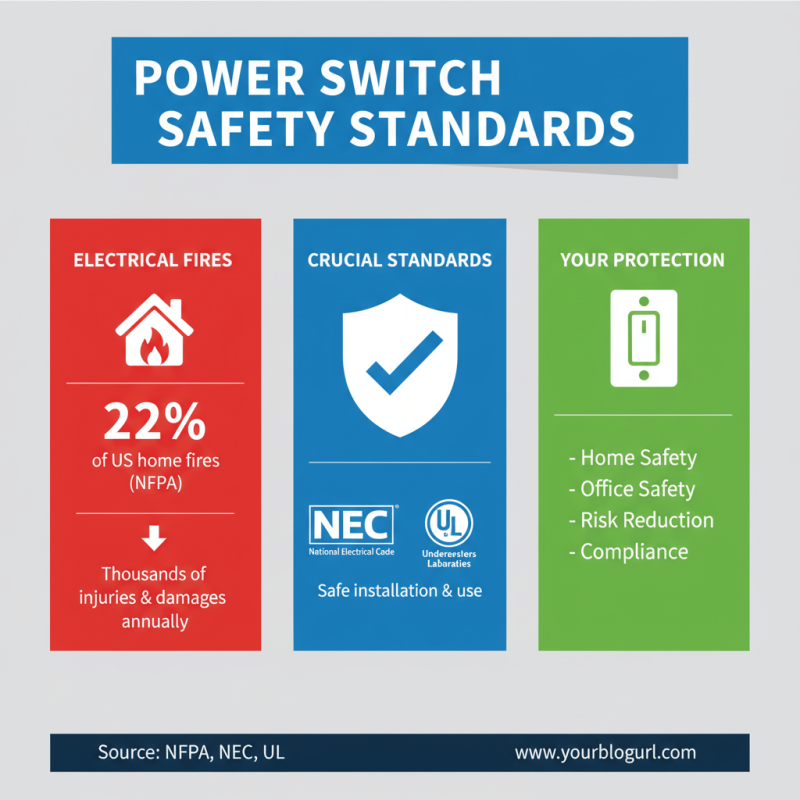
When it comes to power switches, understanding key safety standards is crucial for ensuring the safety of your home and office environments. According to the National Fire Protection Association (NFPA), electrical failures or malfunctions account for approximately 22% of all reported fires in U.S. homes, leading to thousands of injuries and damages each year. This statistic underscores the importance of compliance with safety standards such as the National Electrical Code (NEC) and Underwriters Laboratories (UL) certifications, which provide guidelines for the safe installation and use of electrical devices, including power switches.
Furthermore, proper usage and installation can significantly influence electrical safety. The International Electrotechnical Commission (IEC) suggests that switches should be rated appropriately for the intended applications to prevent overheating and short circuits. For instance, switches should have a current rating that matches or exceeds the electrical load they will handle. This proactive approach can substantially reduce the risk of electrical incidents. By following these key safety standards and recommendations, individuals can create a safer environment, minimizing risks associated with electrical components in both residential and commercial settings.
How Smart Power Switches Are Revolutionizing Energy Management
Smart power switches are at the forefront of the energy management revolution, offering innovative solutions for both homes and offices. By allowing users to control their electrical devices remotely via smartphone apps or voice commands, these switches enhance convenience while promoting energy efficiency. With features like scheduling and automation, smart switches ensure that devices are only powered when needed, significantly reducing energy waste.
Here are some essential tips for integrating smart power switches into your space. Firstly, consider your energy usage patterns. Identify devices that consume the most electricity and integrate smart switches to monitor and control their usage efficiently. This not only maximizes savings but also allows for real-time insights into your energy consumption. Secondly, make use of automation features to set up routines that align with your lifestyle. For instance, you can program lights to turn off automatically when you leave for work or adjust heating based on your daily schedule.
Additionally, ensure your home or office Wi-Fi network is secure, as smart switches rely on internet connectivity for remote control and monitoring. A strong and stable connection will enhance the performance of your devices. By implementing these strategies, you can fully leverage the advantages of smart power switches, leading to improved energy management and lower utility bills.
Essential Power Switches Tips You Need to Know for Your Home and Office - How Smart Power Switches Are Revolutionizing Energy Management
| Tip |
Description |
Benefits |
Example Use Case |
| Automating Schedules |
Set schedules for when devices should be turned on/off. |
Saves energy and reduces electricity bills. |
Turning off lights when you leave the office. |
| Remote Control |
Control your devices from anywhere using a smartphone app. |
Convenience and increased control over energy usage. |
Turn on heating before arriving home. |
| Energy Monitoring |
Track energy consumption of connected devices. |
Identify energy hogs and optimize usage. |
Analyze power use of different appliances weekly. |
| Voice Control Integration |
Integrate switches with voice assistants like Alexa or Google Home. |
Hands-free control and accessibility. |
Turn off all devices with a single voice command. |
| Geofencing |
Automatically control devices based on your location. |
Save energy when you're not home. |
Lights turn off as you leave the vicinity. |
Maintenance Tips for Ensuring Longevity of Your Power Switches
Maintaining the longevity of power switches in both home and office environments is essential for ensuring safety and functionality. According to a report by the National Fire Protection Association (NFPA), electrical failures, including faulty switches, are responsible for approximately 13% of all home fires annually. Regular maintenance can significantly reduce the risk of such incidents. Simple actions, such as routinely checking for signs of wear or damage, can help identify potential issues before they escalate. It is vital to ensure that all switches are not exposed to moisture or excessive heat, as these factors can compromise their performance over time.
Furthermore, experts recommend that every few months, users inspect the wiring connections at each switch. Loose or corroded connections can not only diminish the effectiveness of the switch but also pose serious safety hazards. The U.S. Department of Energy suggests that maintaining proper electrical systems can extend their life by up to 20%, ultimately saving money on replacements and repairs. Additionally, using a surge protector can offer an added layer of safety, shielding power switches from electrical spikes that can lead to premature failure. By implementing these maintenance tips and staying vigilant about their power switches, homeowners and office managers can ensure a safer and more reliable electrical system.
Essential Power Switches Longevity and Maintenance Insights
This bar chart illustrates the recommended frequency of various maintenance activities for power switches. Regular cleaning is suggested to be done 12 times a year, while connection inspection and moisture control should occur 4 and 6 times per year, respectively. Overload management is recommended to be addressed 3 times per year, and proper installation should be verified at least once a year.
 Skip to content