Eco Clothes Dryer Benefits for Sustainable Living in 2026?
In 2026, sustainable living is becoming a priority for many households. One innovative solution gaining traction is the Eco Clothes Dryer. This appliance significantly reduces energy consumption while effectively drying clothes. Unlike traditional dryers, it uses advanced technology to harness renewable energy sources.
The Eco Clothes Dryer not only curtails energy bills but also minimizes environmental impact. As climate change concerns grow, this appliance provides an eco-friendly alternative. However, some consumers question its efficiency compared to conventional models. Addressing these doubts requires understanding the benefits and limitations of eco-friendly technology.
Adopting the Eco Clothes Dryer represents a shift towards a greener future. It may not be a one-size-fits-all solution, but it is a step in the right direction. As more people explore its capabilities, this dryer could redefine sustainable living in everyday homes.
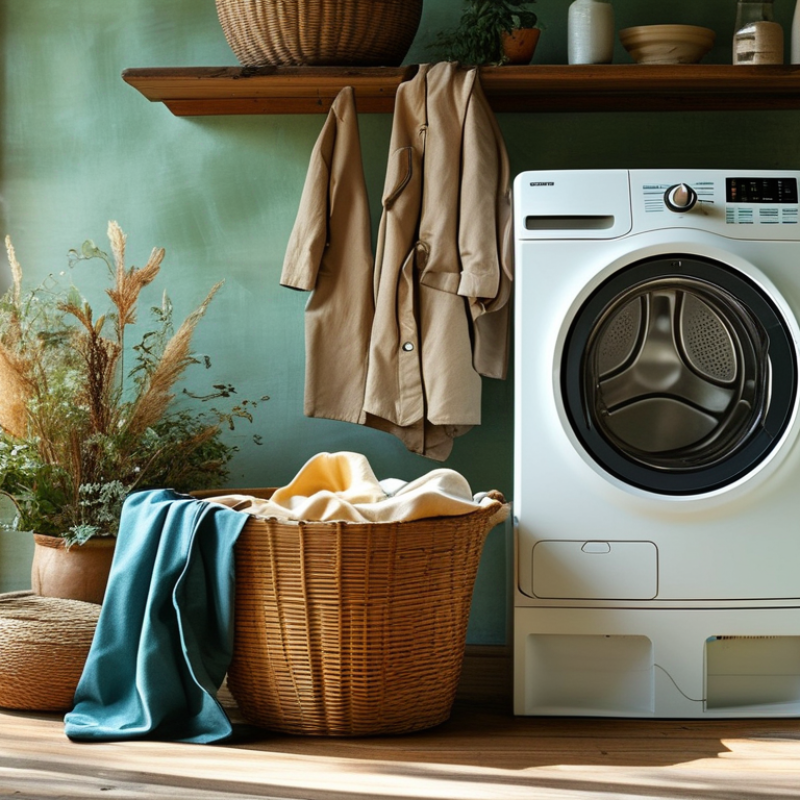
Benefits of Eco Clothes Dryers for Reducing Carbon Footprint
Eco clothes dryers are emerging as a vital tool in the quest for sustainable living. These dryers significantly contribute to reducing carbon footprints. According to the Environmental Protection Agency, clothes dryers account for approximately 6% of the total residential energy use in the United States. By transitioning to eco-friendly models, consumers can reduce their energy consumption by an impressive 40% compared to standard dryers.
One notable aspect is that eco clothes dryers often utilize innovative technologies. For instance, heat pump technology reuses hot air. This not only cuts energy costs but also minimizes carbon emissions. A study by the Alliance to Save Energy indicates that using energy-efficient appliances can lead to a reduction of nearly 2.3 billion metric tons of carbon emissions annually. However, the initial investment in these dryers remains a concern for many. Consumers may struggle with the upfront costs, despite long-term savings.
Additionally, eco clothes dryers reduce reliance on fossil fuels. This shift can foster greater energy independence. However, adapting to these technologies requires effort and education. Many users face challenges in understanding their functions. Embracing this shift calls for open-mindedness and willingness to learn. The benefits are clear; the journey may not be.
Energy Efficiency of Eco Clothes Dryers Compared to Conventional Models
In 2026, eco clothes dryers become popular for many reasons. One primary benefit is energy efficiency. Eco models use innovative technology to minimize energy consumption. They often rely on heat pump or condenser systems, which recycle air effectively. This recycling process can save significant amounts of electricity.
Conventional dryers typically consume more energy, leading to higher utility bills. Many users may not realize how much energy they waste with traditional machines. Eco clothes dryers can cut energy use by up to 50%. This not only helps households save money, but also reduces carbon footprints. Such changes contribute positively to a sustainable lifestyle.
However, some consumers still have concerns. Eco clothes dryers can have higher upfront costs. While savings are substantial over time, the initial investment may deter some buyers. Additionally, drying times may vary. They can take longer than conventional models, which can be frustrating for those in a hurry. Balancing cost, efficiency, and convenience is essential for informed choices.
Cost Savings from Using Eco Clothes Dryers Over Time
Eco clothes dryers are gaining attention as a sustainable option for modern households. These appliances not only help save energy but also reduce utility bills over time. While the initial investment may be higher than traditional dryers, the long-term savings can outweigh the costs. Homeowners can experience up to 50% reduction in energy usage with eco-friendly models. This dramatic cut leads to lower monthly expenses and less stress on the environment.
One significant aspect is maintenance. Eco dryers often require less frequent servicing. This feature can lead to further savings. Some users, however, might find the drying times longer than conventional models. This could be a drawback for busy families. It’s essential to balance convenience with sustainability. The eco-friendly choice impacts both your wallet and the planet.
Investing in eco clothes dryers could yield considerable financial benefits. Lower energy bills enhance budget flexibility. Users will appreciate the slower but steady drying process, prompting them to rethink laundry habits. This shift encourages a more mindful approach to clothing care. While not perfect, these dryers represent a step toward greater sustainability. They challenge us to reassess our priorities and the true costs of our household choices.
Eco Clothes Dryer Benefits for Sustainable Living in 2026
This chart illustrates the projected cost savings from using eco clothes dryers over time, highlighting the increasing financial benefits from 2022 to 2026. As more consumers adopt sustainable practices, the savings become more substantial, contributing to a greener lifestyle.
Impact of Eco Clothes Dryers on Water Conservation Efforts
Eco clothes dryers are making headlines for their role in sustainable living. These appliances reduce energy consumption significantly. According to the U.S. Department of Energy, traditional dryers account for approximately 12% of residential energy use. In contrast, eco clothes dryers can lower energy usage by up to 60%. This shift not only supports green initiatives but also aligns with water conservation efforts.
Water scarcity is a pressing issue. Eco clothes dryers contribute to this by minimizing reliance on water-intensive drying methods. The Environmental Protection Agency reports that conventional drying can use up to 1,200 gallons of water annually, primarily in the manufacturing of energy. By investing in eco clothes dryers, households can reduce their water footprint. This is crucial as clean water resources continue to dwindle in many regions.
While the benefits of eco clothes dryers are clear, there are challenges. Not everyone can afford these typically higher-priced models. Furthermore, the efficiency of such dryers varies based on design and technology. Consumers must take time to evaluate their options. There is no one-size-fits-all solution. Education and accessibility will be vital to fully realize the potential of eco-friendly drying solutions.
Advancements in Technology for Eco-Friendly Clothes Drying Solutions
As we move into 2026, eco-friendly clothes drying solutions are gaining traction. Advances in technology are reshaping how we approach drying laundry. Traditional dryers consume a significant amount of energy. Newer models focus on sustainable practices without compromising efficiency.
Solar-powered dryers are becoming more popular. They utilize renewable energy, reducing electricity bills and carbon footprints. These dryers harness sunlight, making them eco-friendly and cost-effective. Additionally, heat pump dryers offer a viable alternative. They recycle heat, using less power than conventional dryers. This innovation significantly cuts energy use while maintaining optimal drying conditions.
Despite these advancements, some challenges remain. Initial costs for eco-friendly models can be high. It may take time for consumers to see the savings. Additionally, the reliance on weather patterns impacts efficiency. Cloudy days can delay drying. Adapting to these new technologies is essential for a sustainable future. Embracing change can lead to long-term benefits for both users and the environment.
Eco Clothes Dryer Benefits for Sustainable Living in 2026
| Feature | Description | Environmental Impact | Energy Efficiency Rating |
| Solar-Powered Dryers | Utilizes solar energy for drying clothes. | Reduces carbon footprint significantly. | A++ |
| Heat Pump Dryers | Recycles heat generated during drying process. | Lower energy consumption compared to conventional dryers. | A+++ |
| Condensing Dryers | Condenses moisture in the air during drying. | Efficient use of energy; less water waste. | A+ |
| Smart Dryers | Connects to IoT for optimized drying cycles. | Minimizes energy usage by adjusting based on load. | A++ |
 Skip to content
