How to Choose the Right Power Switches for Your Electronic Projects?
Choosing the right power switches for electronic projects is essential. Power switches play a critical role in controlling devices. They impact performance and reliability, influencing project success. According to the Global Market Insights report, the demand for power switches is expected to grow significantly.
Selecting appropriate power switches can be daunting. The market offers various types, each suited for different applications. Factors like load requirements and operating conditions must be considered. A standard power switch may work for one project but fail in another. This inconsistency is a common pitfall for many engineers.
Many enthusiasts prioritize cost over functionality. This can lead to suboptimal switch choices, resulting in project failures. Engineers must weigh quality against price. Understanding the specific needs of your application can guide you to the right decisions. Reflecting on past mistakes can also improve future selections. The right power switches can enhance overall project effectiveness.
Understanding the Different Types of Power Switches Available
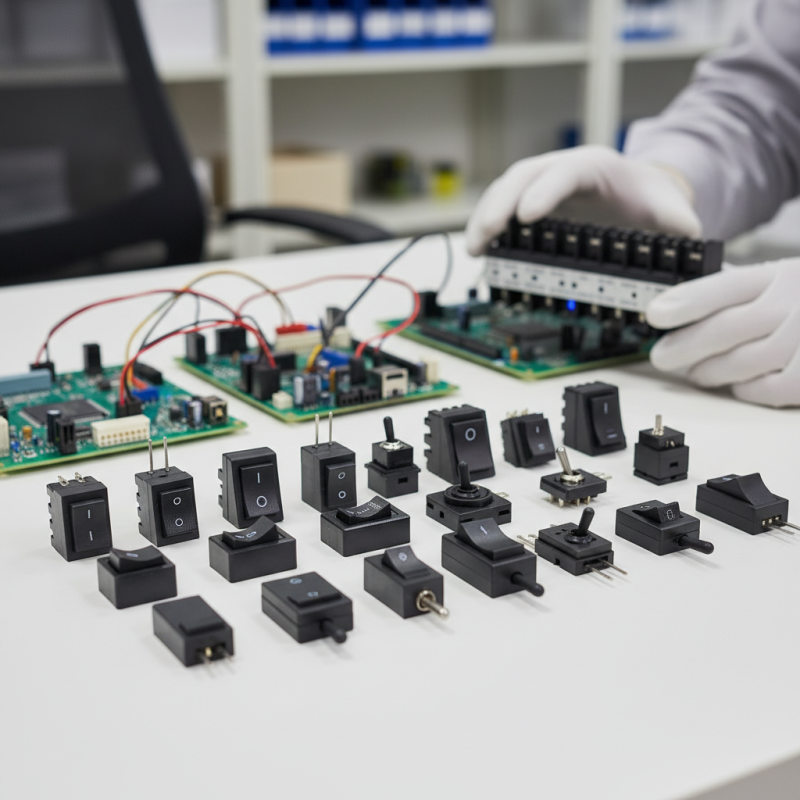
When diving into electronic projects, choosing the right power switch is crucial. Several types of switches exist, each with unique characteristics. Toggle switches are common, offering a clear on/off function. They are intuitive but may not fit all designs. Pushbutton switches are compact and versatile. Users can face issues with frequent pressing, which might lead to wear over time.
Rotary switches provide multiple settings. They are excellent for adjusting power levels but can be bulky. Momentary switches are another option. These operate only while pressed, ideal for temporary functions. However, their usage may confuse beginners.
Understanding the pros and cons of each type is vital. Think about your project's space and power needs. A switch that's perfect for one setup might not suit another. The right choice often requires compromises. Test different options to find what works best.
Key Factors to Consider When Selecting a Power Switch
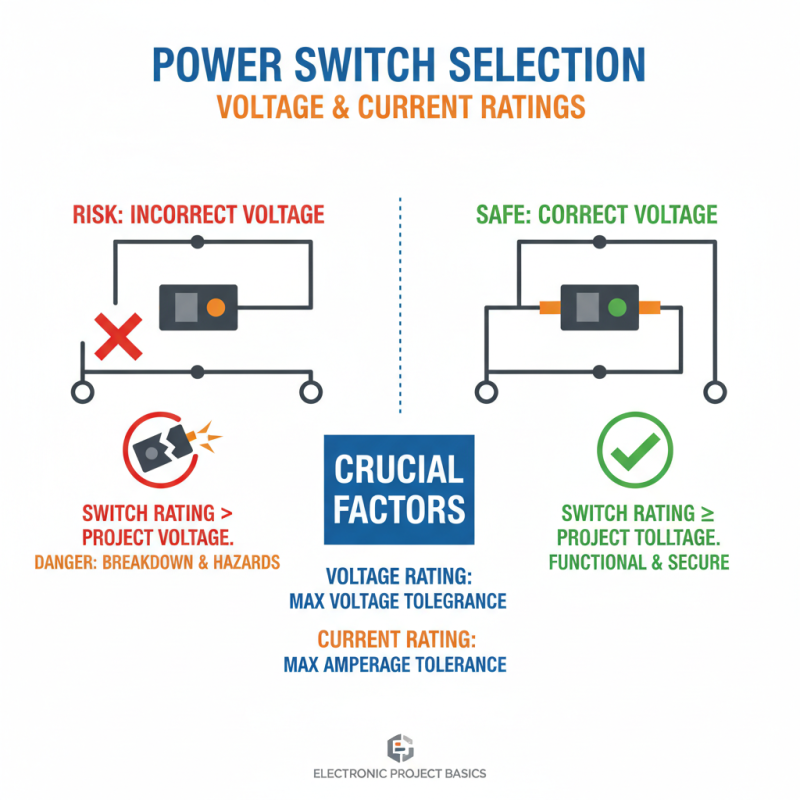
Choosing the right power switches for electronic projects involves several key factors. It is essential to consider the voltage and current ratings of the switches. According to a recent industry report, over 25% of electrical failures occur due to inappropriate switch ratings. If you underestimate these ratings, it could lead to circuit damage or even a complete failure.
Another important factor is the switch type. Mechanical switches often provide tactile feedback, making them suitable for user interfaces. On the other hand, solid-state switches can handle higher frequencies, catering to more advanced applications. A survey indicated that 40% of engineers prefer solid-state switches for their reliability and longevity in critical applications. However, solid-state options might come with a higher cost, which could be a concern for hobbyists.
Additionally, the physical size and mounting type are crucial. Compact designs are often necessary in tight spaces. Yet, smaller switches can sometimes lead to usability challenges. A thorough analysis can reveal that 30% of projects fell short because the switch was too small or difficult to operate. Therefore, weighing these factors against your project’s requirements is vital to make an informed decision.
Identifying Application-Specific Requirements for Power Switches
Choosing the right power switches for electronic projects requires a clear understanding of your needs. Different applications demand specific features. For example, automotive applications may need high current ratings. In 2022, nearly 30% of power switches were utilized in automotive electronics, according to industry data. The requirements in this sector focus on reliability and durability under harsh conditions.
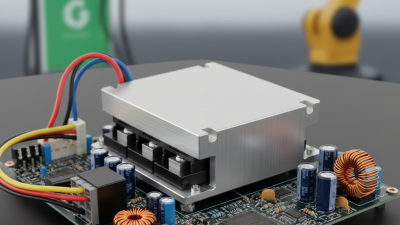
Heat management is another crucial factor. Many switches can fail due to overheating. Efficient designs can help in minimizing energy loss. Reports suggest that overheating causes nearly 15% of power switch failures. When designing a project, consider the thermal characteristics of the switch. Ensure your choice can handle high temperatures without compromising performance.
Additionally, the control mechanism of the switch matters. Some projects need manual control, while others require automated systems. For instance, smart home devices often utilize low-power switches for convenience and safety. Understanding the specific control requirements can lead to selecting the most effective switch. Each decision in this process should reflect the unique demands of your project.
Power Switches Characteristics in Electronic Projects
This bar chart illustrates the current and voltage ratings of various power switches suitable for different electronic projects. When selecting power switches, consider the specific requirements for current and voltage to ensure optimal performance.
Best Practices for Installing and Using Power Switches in Circuits
When it comes to installing power switches in electronic circuits, precision matters. A survey from a leading electronics association revealed that improper switch integration can lead to a 15% failure rate in device performance. This highlights the importance of selecting the correct switch type and specifications for your projects. Don't overlook the current and voltage ratings. Each switch should meet the requirements of your circuit to avoid overheating or malfunction.
For best practices, always consider the physical placement of the switch. A switch should be easily accessible yet protected from accidental activation. It is essential to secure it with proper mounting hardware. Over time, vibrations can loosen connections, leading to intermittent failures. Regular checks can prevent this issue.
Tips: Ensure the switch contacts are rated for at least 20% higher than your circuit's maximum current. This buffer can accommodate any unexpected surges. Additionally, using a switch with a clear indicator can help prevent misunderstandings about the device's status. Remember that some switches have a limited lifespan based on the number of cycles. Monitor usage accordingly. Always look for feedback from project trials to refine your switch selection.
 Skip to content