How to Choose the Best Power Distros for Your Needs?
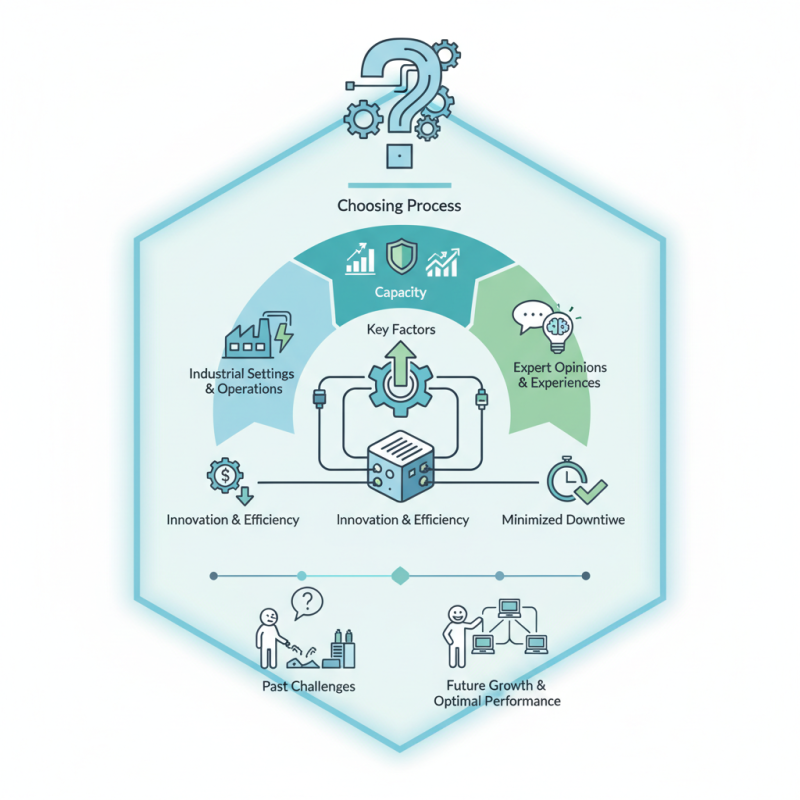
Choosing the right power distros can significantly impact your operations. The process may seem daunting, but understanding your specific needs can simplify it. Power distros play a crucial role in energy management, especially in industrial settings. They distribute electricity safely and efficiently, minimizing downtime and ensuring optimal performance.
When evaluating power distros, consider factors like capacity, reliability, and scalability. The right choice should align with both your current requirements and future growth. Brands vary in quality and features, which adds to the complexity. It's essential to rely on reputable sources and expert opinions when making decisions here. The wrong choice could lead to performance issues and increased costs.
Reflecting on personal experiences can also guide your selection. Many users have faced challenges in identifying the appropriate power distros. Learning from these moments can enhance your understanding. Ultimately, the goal is to choose a power distros solution that not only meets your needs but also fosters innovation and efficiency in your operations.
Understanding Power Distros: Definition and Types
Power distribution units (PDUs) are critical for efficiently managing power in IT environments. Understanding their types can help you choose the right one. PDUs are typically categorized into basic, metered, and managed types. Basic units simply distribute power, while metered PDUs offer insight into energy consumption. Managed PDUs provide advanced features like remote monitoring and control, ideal for complex setups.
When selecting a PDU, consider your power requirements. Look for units that match your equipment's voltage and amperage specifications. Think about future scalability. A well-chosen PDU should accommodate growth without needing replacement soon.
Tips for choosing the right PDU include assessing your rack layout and cable management. Proper design can enhance air circulation and reduce heat. Additionally, while a more advanced PDU may seem appealing, weigh if those extra features align with your needs. Avoid overspending on unnecessary capabilities. Focus on balance between cost and function to achieve reliability.
Assessing Your Power Needs: Key Considerations
When assessing your power needs, it's crucial to consider various factors. First, evaluate your current consumption patterns. According to the U.S. Energy Information Administration, residential energy consumption averages about 877 kWh per month. Understanding your baseline usage helps in selecting a suitable power distro and avoiding excessive costs.
Another key consideration is peak demand hours. Research indicates that electricity prices can significantly spike during peak hours, which often occur in the evening. Strategies like load shifting can help manage these costs. Monitoring your usage during these hours aids in identifying optimal power distribution needs.
Don't overlook the importance of scalability. As your energy needs grow, your power distro should accommodate this shift. A 2023 report from the International Energy Agency suggests that renewable energy sources will account for nearly 85% of global power expansion by 2030. Therefore, investing in flexibility and future-proof technologies is wise. Analyze your long-term goals to ensure that your power options are adaptable and reliable. Balancing these components can create a more efficient energy strategy, tailored to your specific needs.
Evaluating Power Distribution Capacity and Specifications
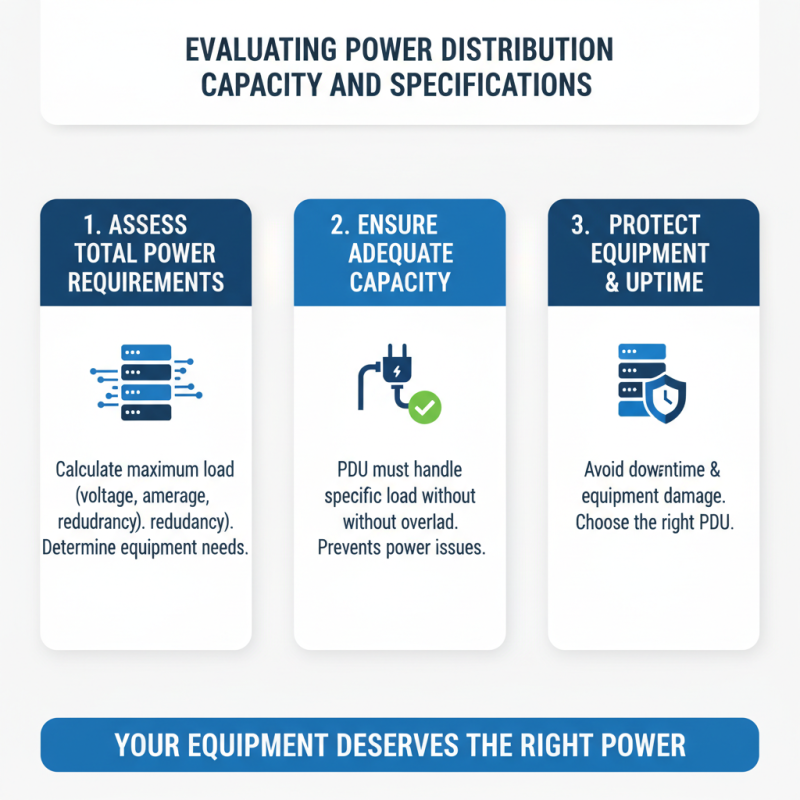
When selecting the best power distribution units (PDUs), evaluating their capacity and specifications is crucial. Start by assessing the total power requirements of your equipment. Calculate the maximum load, considering voltage, amperage, and redundancy needs. This ensures that you choose a PDU that can handle your specific load without the risk of overload. The right distribution capacity prevents downtime and protects your valuable equipment.
Next, focus on the specifications. Check the build quality. A robust design with high-quality materials can offer longevity and reliability. Also, look for features like metering and monitoring. These capabilities can help track energy consumption and alert you to potential issues. While many units offer similar functionalities, the nuances in specifications can significantly impact performance. Reflect on what your setup truly requires.
Lastly, think about scalability. Your power needs may evolve. Purchase a PDU that accommodates future expansion. It’s a balance between current needs and potential growth. Each choice should contribute to a more sustainable operation.
Comparing Features: Functionality and Usability of Power Distros
When selecting a power distribution system, functionality and usability are key factors. A good power distro should efficiently distribute power while being user-friendly. Consider the design and ease of access to outlets. If it’s hard to reach, you may end up frustrated in moments of need. Quality materials also matter. A robust construction can prevent wear and improve durability.
Usability extends beyond the physical design. Look for features such as overload protection and circuit breakers. These safety elements are crucial for protecting your equipment. The type of connections available should also be a priority. Different setups have unique requirements. Ensure that the distro meets those needs.
Though a power distro may appear simple, its performance can vary significantly. User reviews can provide insight, but experiences may differ. Some features may excel in theory but fail in practice. Be cautious about overwhelming yourself with too many options. It’s essential to focus on your specific needs. Balancing functionality and simplicity can yield the best results for your setup.
Making the Final Choice: Tips for Selecting the Best Option
Choosing the right power distribution solution can seem overwhelming. Start by identifying your specific needs. Are you working with high-capacity equipment or smaller setups? Understanding the scale of your operations is crucial. It shapes everything from the type of distros you’ll consider to the budget you’ll set aside.
Once you have clarity on your requirements, delve into the specifics. Analyze the reliability of the power sources. Look for options known for safety features and efficiency ratings. You might find that some solutions promise more than they deliver. Pay attention to user reviews and case studies. Reflect on how these insights can help you avoid common pitfalls.
Lastly, think about adaptability and scalability. Your initial choice might not fit future needs. Consider whether the distribution solution can accommodate growth or changes in your work environment. Avoid getting locked into rigid systems. Balance immediate needs with potential future demands. This reflective process will ensure a more robust and thoughtful decision.
Power Distribution Unit (PDU) Efficiency Comparison
 Skip to content