Why Choose the Right Power Source for Your Business Needs?
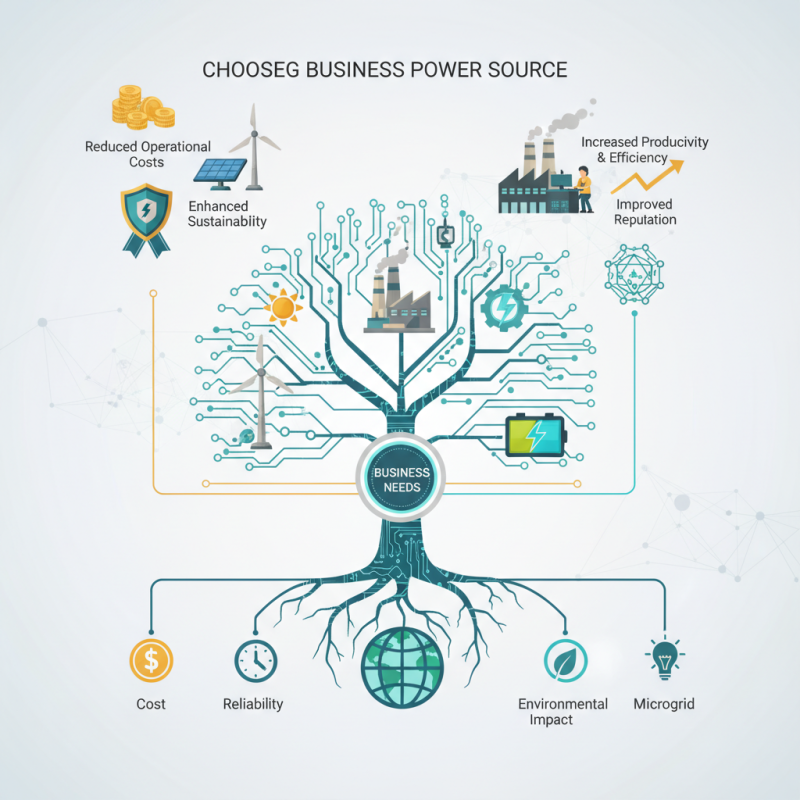
Choosing the right power source for your business is crucial. A reliable power source directly impacts productivity and efficiency. In today's competitive landscape, businesses cannot afford frequent power outages or energy inefficiencies.
Investing in the appropriate power source can reduce operational costs. It can also enhance your company's sustainability efforts. Many firms overlook the long-term benefits of their energy choices. This decision affects not just finances, but also the environment and reputation.
However, not every power source fits every business. Consider the nature of your operations and energy demands. Reflect on reliability, cost, and potential environmental impact. Finding the best power source takes time and research. Engage with experts to ensure you make informed choices.
Understanding Different Types of Power Sources for Businesses
When selecting a power source, businesses face various options. Each type of power source has unique characteristics. Many organizations use electricity from the grid, but other alternatives exist. According to the U.S. Energy Information Administration, as of 2022, renewable energy accounted for about 21% of total electricity generation. This percentage is on the rise as more businesses pivot towards sustainability.
Solar and wind energy are becoming popular choices. These renewable sources reduce carbon footprint. A study from the National Renewable Energy Laboratory revealed that solar energy installations can lower energy costs by up to 40% in some regions. However, businesses must consider location and resource availability. Not every area gets enough sunlight or wind for reliable generation.
Some companies opt for backup generators. Diesel and natural gas generators offer immediate power. While they provide reliability, they come with higher long-term costs and environmental concerns. Businesses should weigh benefits against challenges. Understanding the nuances of each power source helps in making informed decisions. Investing in the right power source is crucial for efficiency and sustainability.
Evaluating Your Business's Energy Needs and Requirements
When evaluating your business's energy needs, consider various factors. Start by assessing your operational hours and peak demand periods. Understanding when your business uses the most energy can guide you toward the right power source. For example, a bakery will need more energy in the early morning hours, while an office may peak during the workday.
Next, analyze your equipment and technology. Different devices require varying energy loads. Heavy machinery, such as industrial tools, can significantly increase energy demands. Be clear about your needs. Sometimes, businesses overlook the energy consumption of smaller devices. Every watt counts.
Regularly reviewing your energy plan is essential. Many businesses fail to monitor their energy efficiency. Past choices may no longer fit current needs. If your energy costs seem high, it may be time to reevaluate. Look into renewable energy sources or energy-efficient alternatives. Life is not static; adjusting your energy strategy is vital.
Cost Considerations in Choosing a Power Source
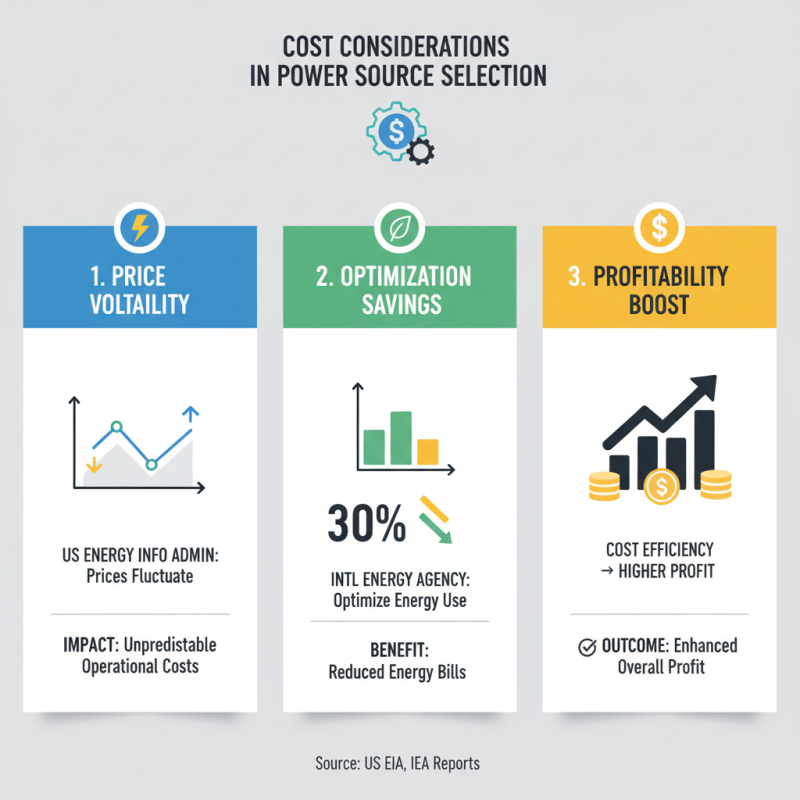
Choosing the right power source is crucial for any business. Cost considerations play a significant role in that decision. According to the U.S. Energy Information Administration, energy prices have fluctuated significantly in recent years, impacting operational costs. A report by the International Energy Agency shows that businesses that optimize their energy use can save up to 30% on their energy bills. This cost efficiency can enhance overall profitability.
Moreover, comparing initial investments and long-term expenses is not straightforward. Some businesses may lean towards cheaper alternatives without evaluating total cost of ownership. A study from the Lawrence Berkeley National Laboratory reveals that businesses often overlook ongoing maintenance and potential energy losses. These hidden costs can erode initial savings, making a seemingly attractive option less viable.
The variability of renewable sources adds another layer of complexity. While they may offer long-term savings, the initial investment can be high. Decisions based solely on sticker price might lead to unforeseen challenges. Many companies find themselves reassessing their choices only after experiencing unexpected costs. Thus, understanding the financial landscape is essential for making informed decisions.
Regulatory and Environmental Factors Influencing Power Source Selection
Choosing the right power source is crucial for any business. Regulatory factors play a significant role in this selection process. Governments impose regulations to ensure safety and sustainability. Complying with these laws is essential for operation and reputation. Failure to do so can result in fines or operational shutdowns.
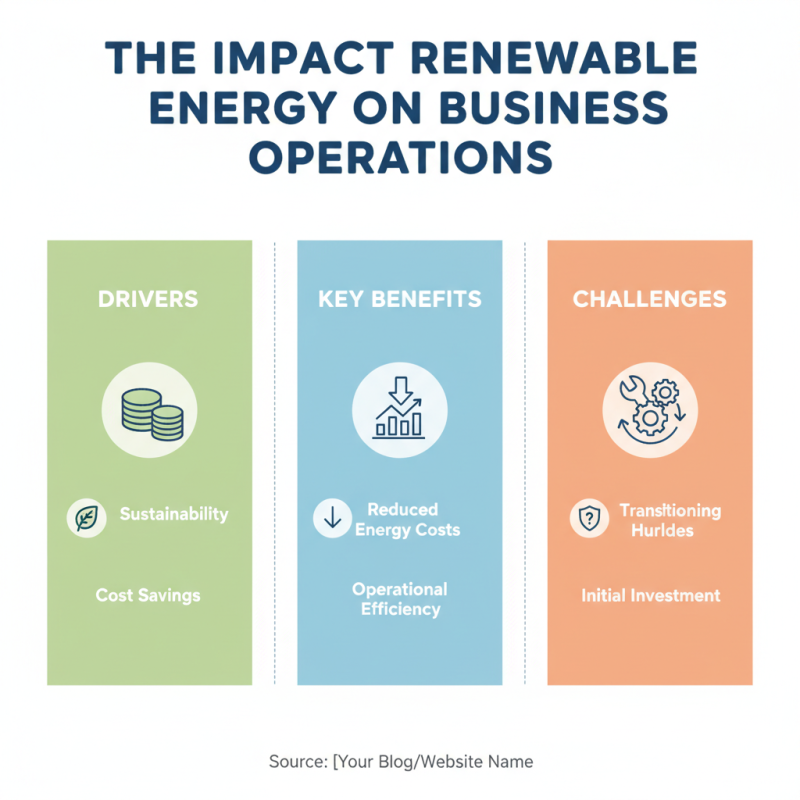
Environmental factors also influence power source decisions. Companies are under pressure to reduce their carbon footprint. Renewable energy sources, like solar and wind, are not just eco-friendly; they can also be cost-effective in the long run. However, transitioning to these options can present challenges. The initial investment may be high. Businesses must weigh these costs against potential savings and regulatory incentives.
Understanding local regulations is vital. Different regions have varying standards and requirements. Keeping track of these changes can be overwhelming. Businesses might struggle with the complexities of compliance. Partnering with experts can help navigate these waters. However, relying solely on external guidance may lead to missed opportunities for improvement. Each business should develop an internal strategy that fosters environmental responsibility while adhering to regulations.
Why Choose the Right Power Source for Your Business Needs? - Regulatory and Environmental Factors Influencing Power Source Selection
| Power Source |
Regulatory Factors |
Environmental Impact |
Cost Efficiency |
| Natural Gas |
Meets most federal regulations with low emissions |
Lower CO2 emissions compared to coal |
Moderate initial investment, lower long-term costs |
| Solar Power |
Encouraged by tax incentives and rebates |
Minimal environmental impact, supports ecosystem balance |
High initial setup cost but low operational costs |
| Wind Energy |
Federal and state support through renewable energy grants |
Very low emissions, affects local wildlife |
Variable costs based on location and size of installation |
| Coal |
Facing increasing regulations and taxes |
High emissions and negative environmental impact |
Low initial cost, higher long-term environmental costs |
| Hydropower |
Regulated use of water resources and environmental assessments |
Low emissions but potential ecosystem disruption |
High development cost but low maintenance and running costs |
 Skip to content