2026 Best Power Source Options for Sustainable Energy Solutions?
In 2026, the demand for sustainable energy solutions is more critical than ever. Many industries are turning to renewable power sources to meet environmental goals. The importance of finding efficient and reliable power sources cannot be underestimated. An innovative approach is essential for a sustainable future.
Various options are emerging, such as solar, wind, and bioenergy. Each has unique advantages and challenges. Solar energy offers flexibility and scalability, while wind energy harnesses natural resources effectively. However, reliance on a single power source can be risky during energy transitions.
The advancements in technology, as seen at the 139th Canton Fair, showcase new solutions in manufacturing and energy efficiency. The introduction of AI systems at the Fair greatly aids suppliers and buyers in navigating these changes. While optimism exists, ongoing challenges in integrating these power sources persist. The path forward requires reflection and collaboration among stakeholders to create a balanced energy landscape.
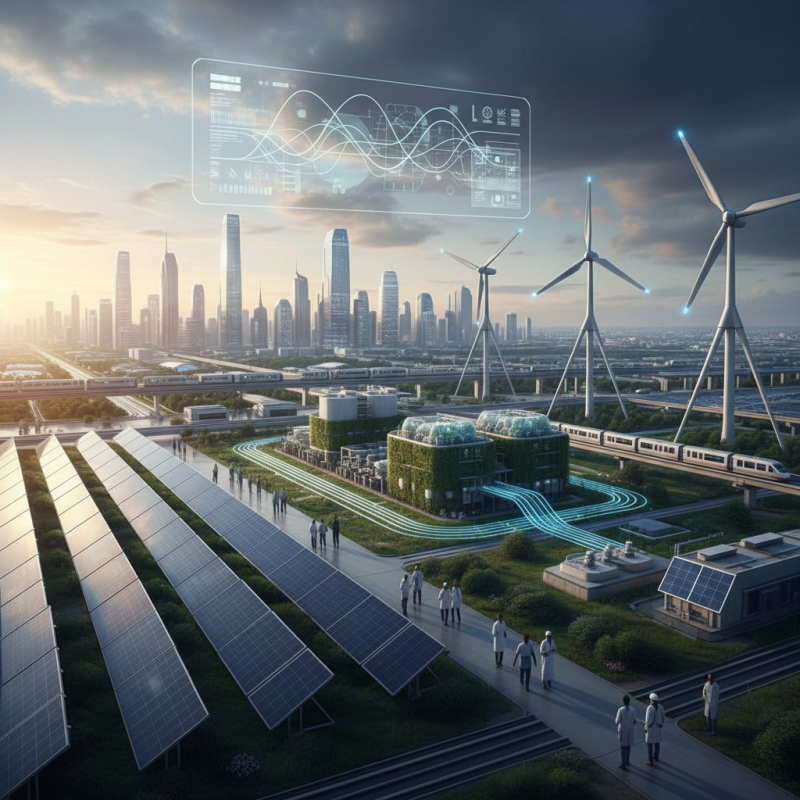
Overview of Sustainable Energy Sources Available in 2026
As we look toward 2026, the landscape of sustainable energy sources is evolving. Solar power continues to lead the way. More homes are installing solar panels. Many cities are investing in solar farms. This technology is becoming more affordable and efficient. However, some areas still lack sufficient sunlight. This limits solar’s potential in certain regions.
Wind energy is also gaining traction. Wind turbines are filling fields and coastlines. They harness the power of natural breezes. Yet, noise and aesthetic concerns remain. Some communities resist new wind farms. Balancing energy needs with local preferences is essential.
Hydro energy remains a strong option, too. Dams and river systems are being utilized worldwide. They generate consistent power. However, ecological impacts are significant. Fish populations and water quality suffer. Innovations must address these challenges to create harmony between energy production and nature. While these sources show promise, the quest for sustainability is ongoing and complex.
Comparative Analysis of Solar Power Technologies for Efficiency
The efficiency of solar power technologies is critical for sustainable energy solutions. Recent reports show that conventional solar panels convert roughly 15-20% of sunlight into electricity. In contrast, cutting-edge technologies, like bifacial solar panels, can achieve efficiencies up to 30%. These advancements highlight the potential for solar energy as a formidable contender in the renewable energy market.
Tip: Evaluate the available solar panel options based on efficiency ratings. Not all products deliver the same output. Investing in higher-efficiency panels may yield better long-term returns.
Another promising development is the integration of solar tracking systems. These systems can increase energy capture by up to 25% compared to fixed installations. However, upfront costs can be a barrier. Users must weigh initial investments against potential savings. Some may find the economics challenging.
Tip: Consider local climate conditions when choosing technology. Some systems perform better in different environments. Test sites can provide valuable insights before making a commitment.
2026 Best Power Source Options for Sustainable Energy Solutions? - Comparative Analysis of Solar Power Technologies for Efficiency
| Technology Type |
Efficiency (%) |
Cost ($/W) |
Lifespan (Years) |
Environmental Impact (Score 1-10) |
| Monocrystalline |
20-22 |
0.75 |
25 |
8 |
| Polycrystalline |
15-18 |
0.60 |
25 |
7 |
| Thin Film |
10-12 |
0.50 |
20 |
6 |
| Bifacial |
18-21 |
0.85 |
30 |
9 |
| Building-integrated |
12-15 |
1.00 |
25 |
8 |
Exploring Wind Energy Innovations and Their Environmental Impact
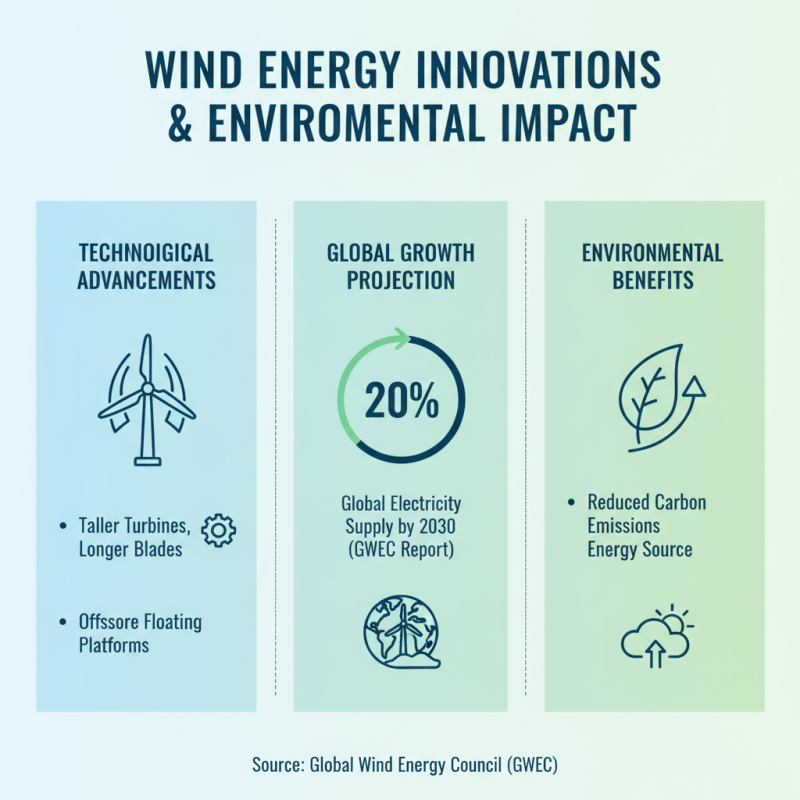
Innovations in wind energy are transforming the renewable energy landscape. A report by the Global Wind Energy Council noted that wind energy could supply up to 20% of global electricity by 2030. This growth is fueled by technological advancements and increased investments in infrastructure.
Wind farms can reduce carbon emissions significantly. They prevent millions of tons of CO2 from entering our atmosphere. However, there are challenges. The production of wind turbines involves materials that can have a greater environmental impact if not managed well. A research study highlighted that the lifecycle of a turbine needs more scrutiny.
The noise generated by wind turbines is also a concern for nearby communities. While many can adapt, some residents report disturbances. Additionally, the impact on local wildlife, especially birds and bats, requires ongoing research. Innovations should focus on minimizing these effects while maximizing energy output. Addressing these issues is critical for the sustainable growth of wind energy.
Evaluating Energy Storage Solutions for Renewable Energy Systems
As we move towards a greener future, energy storage solutions become crucial. Renewable energy systems rely on capturing energy and delivering it when needed. Battery technologies have made significant strides, yet issues remain. Not all batteries can withstand harsh conditions, and energy density varies.
Hydrogen storage presents another avenue. It can store excess energy effectively but requires significant infrastructure improvements. Current methods of converting energy into hydrogen are also not efficient. This highlights a critical challenge in scaling hydrogen for widespread use.
Moreover, thermal energy storage offers unique solutions. It harnesses heat energy for later use, like in solar thermal systems. However, efficiency loss during energy conversion is an ongoing concern. Each method holds promise, but significant hurdles must be overcome. The path to sustainable energy storage is still unfolding.
2026 Best Power Source Options for Sustainable Energy Solutions
This chart illustrates the energy storage capacity of various sustainable energy sources projected for 2026. As demonstrated, solar energy leads with 140 GWh, followed closely by wind, hydro, geothermal, and biomass energy sources. The data indicates the potential for these renewable resources to contribute to a sustainable energy future.
Future Trends in Hydropower Development and Implementation
Hydropower has great potential in sustainable energy solutions. As we look towards 2026, innovative developments are emerging. Small-scale projects are gaining traction. These projects harness local water resources with minimal environmental impact. Such initiatives can be tailored to community needs, increasing their adoption.
However, challenges remain. Large hydropower plants often disrupt ecosystems. Fish populations can decline due to damming rivers. Additionally, sediment buildup in reservoirs can hinder efficiency over time. This warrants careful planning and execution to minimize harm. Policymakers must address these issues.
Emerging technologies offer new possibilities. For instance, adaptive management of water flow can balance energy needs and ecological preservation. Implementations of tidal and wave energy could complement traditional hydropower. Diverse strategies are critical for future improvements. As we advance, finding harmony with nature in hydropower is essential.
 Skip to content