Best LED Corn Bulbs for Energy Efficiency and Brightness?
The transition to energy-efficient lighting has never been more critical. According to a report by the U.S. Department of Energy, LED technology can use up to 75% less energy than traditional incandescent bulbs. This shift not only aids in reducing carbon footprints but also enhances brightness significantly. In this realm, LED Corn Bulbs have emerged as a powerful solution for both commercial and residential lighting needs.
Industry expert Dr. Emily Johnson emphasizes, "LED Corn Bulbs are revolutionizing the way we illuminate our spaces while conserving energy." Her insights highlight their robust performance, combining high lumens and low wattage. However, as with any technology, not all LED Corn Bulbs are created equal. Some products may fail to deliver promised brightness or longevity. Therefore, careful selection is paramount for achieving the best results.
Consumers often overlook the potential pitfalls in choosing LED Corn Bulbs. High brightness must correlate with acceptable energy use. Balancing these elements can be challenging. Awareness of the distinctions in quality ensures that the investment leads to optimal energy savings and brightness.
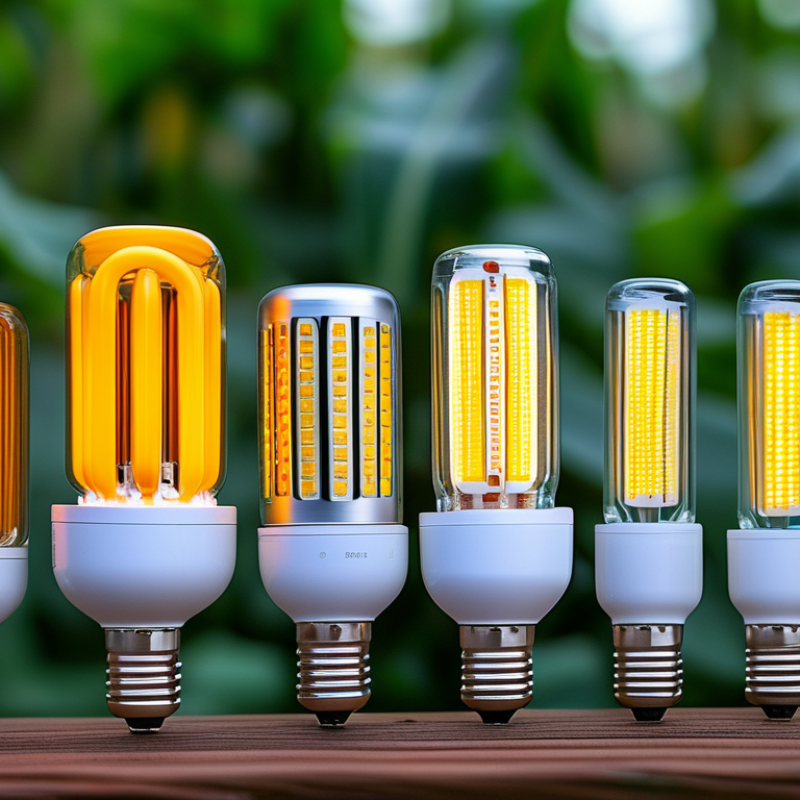
Characteristics of LED Corn Bulbs That Enhance Energy Efficiency
LED corn bulbs are becoming a popular choice for energy efficiency and brightness. Their design, resembling corn kernels, allows for better light distribution. According to the U.S. Department of Energy, LED bulbs use at least 75% less energy than incandescent bulbs. This significant reduction contributes to lower electricity bills and less strain on power plants.
One key characteristic of LED corn bulbs is their high lumen output relative to wattage. Many models provide between 80 to 140 lumens per watt. This outstanding efficiency can transform dim workspaces into bright environments. However, not all LED corn bulbs meet this standard. Some lower-quality options may struggle to provide sufficient brightness while maintaining energy savings. Consumers should pay attention to lumens per watt when choosing.
Additionally, the color temperature of LED corn bulbs impacts their effectiveness. Options range from warm white at about 3000K to daylight white around 5000K. While warmer tones create a cozy atmosphere, cooler temperatures boost alertness and visibility. It's essential to assess which color temperature suits your needs. Users may need to experiment to find the ideal brightness for specific environments as experiences can vary.
Best LED Corn Bulbs for Energy Efficiency and Brightness
| Model | Wattage | Lumens | Energy Efficiency (lm/W) | Lifespan (hrs) | Color Temperature (K) |
| Corn Bulb A | 30W | 3000 | 100 | 25000 | 5000 |
| Corn Bulb B | 40W | 4800 | 120 | 30000 | 4000 |
| Corn Bulb C | 60W | 7200 | 120 | 50000 | 3000 |
| Corn Bulb D | 80W | 9600 | 120 | 40000 | 5000 |
Comparative Brightness Levels: LED Corn Bulbs vs. Traditional Bulbs
When comparing LED corn bulbs to traditional bulbs, the difference in brightness is striking. LED corn bulbs shine brighter, providing a more intense light. This makes them ideal for outdoor spaces, workshops, or large garages. The lumens output of LED bulbs often surpasses that of their incandescent counterparts, meaning they deliver better performance with less energy.
However, it’s essential to consider the color temperature of these bulbs. Traditional bulbs generally emit warmer light, which many find cozy. In contrast, LED corn bulbs often produce a cooler, more clinical light. This difference can impact the ambiance of a space. Users should reflect on their lighting needs and preferences, as not every environment suits bright, stark lighting.
Despite their advantages, LED bulbs do have a few limitations. Initial costs can be higher than those of traditional bulbs. Moreover, not all LED corn bulbs are created equal; quality varies widely. Therefore, research is crucial for making an informed choice. It's an area where consumers should proceed with care. Each setting calls for thoughtful consideration of light quality and efficiency.
Key Factors Influencing Energy Savings in LED Corn Bulbs
When choosing LED corn bulbs, energy savings rely on several critical factors. One significant element is lumen output. Higher lumens result in brighter light but also influence energy consumption. A bulb with excellent brightness often requires more power. Users must strike a balance between illumination needs and energy efficiency.
Another aspect is wattage equivalence. Many bulbs claim to replace traditional incandescent or fluorescent designs. Understanding the wattage used helps consumers gauge actual energy savings. For example, a 10-watt LED can provide the same brightness as a 60-watt incandescent, leading to substantial savings over time.
Color temperature plays a key role as well. Warmer light may suit residential spaces, while cooler tones can enhance visibility in commercial areas. In addition, durability and lifespan of the bulbs are vital. A longer-lasting bulb reduces the need for frequent replacements, saving both time and resources. However, not all LED corn bulbs perform equally over their lifetime. Choosing outdoor-rated options ensures they withstand various weather conditions, a consideration often overlooked. This attention to detail is necessary for proper long-term use.
Top Recommended Brands for High-Efficiency LED Corn Bulbs
When searching for high-efficiency LED corn bulbs, a few brands stand out. These brands focus on energy savings and robust brightness. With advancements in technology, many of these bulbs can replace traditional fluorescent options effectively. Their designs often include features that extend lifespan and improve light quality.
One essential aspect is lumens per watt. This metric defines how much light a bulb emits per unit of energy consumed. Some brands excel in this area, offering products that provide high brightness while using minimal energy. Customers often report satisfaction with the consistent performance and durability of these bulbs. However, cost can vary significantly between brands, which may require careful consideration and testing.
For those interested in making the switch, comparing specifications is crucial. It helps to read reviews for firsthand insights. Keep in mind that what works for one space may not suit another. Experimentation can lead to discovering the best fit for specific needs. Some users may find they prefer different color temperatures, affecting the ambiance. Ultimately, investing in quality LED corn bulbs can lead to substantial energy savings and improved lighting experiences.
Installation Tips for Maximizing Brightness and Energy Efficiency
When installing LED corn bulbs, placement is crucial for optimal light distribution. Proper positioning enhances brightness and ensures energy efficiency. Aim for heights that maximize their lumen output. This means avoiding obstructions and angling bulbs for wider coverage.
Wiring is another significant aspect. Use the correct gauge to prevent overheating and energy wastage. Faulty wiring can lead to dim lighting and even safety hazards. Always double-check connections before switching on the power.
Consider ambient conditions as well. Reflective surfaces can amplify brightness. If the bulbs are too bright for a space, dimming options might be beneficial. Balancing light intensity can create a more comfortable environment. Remember, regular maintenance is necessary. Dust and dirt can dull brightness and reduce efficiency over time.
 Skip to content
