Top 5 Benefits of Solenoid Valves in Irrigation Systems?
Irrigation systems are essential for efficient water management in agriculture. An industry expert, Dr. Emily Harris, states, "Solenoid valves in irrigation systems can optimize water use and increase crop yield." This quote highlights the significant role of solenoid valves in modern farming practices.
Solenoid valves automate water flow, offering precise control over irrigation schedules. They reduce water waste and save energy, which is crucial for sustainable farming. However, not every system utilizes this technology effectively. As farmers adopt solenoid valves, they must grapple with the learning curve and maintenance challenges. Some may find it difficult to troubleshoot issues or integrate these valves seamlessly into existing systems.
Moreover, the initial investment in solenoid valves can be daunting for small-scale farmers. Yet, the long-term benefits often outweigh these concerns. The flexibility and efficiency they offer can transform irrigation practices. In conclusion, recognizing the potential pitfalls is essential for successful implementation. This balance creates an opportunity for farmers to innovate and improve their irrigation efficiency.
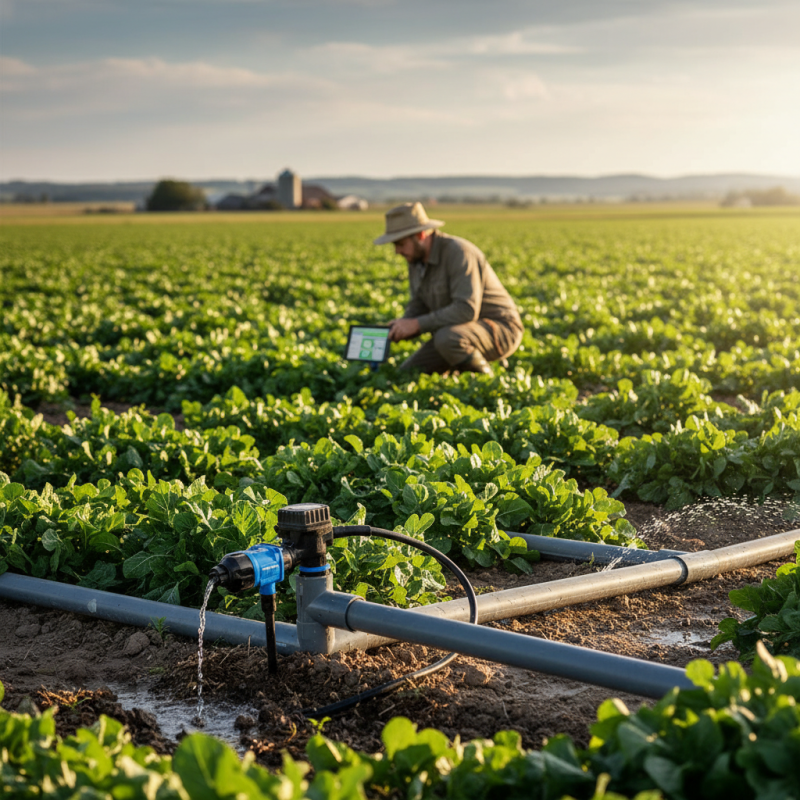
Advantages of Using Solenoid Valves in Irrigation Systems
Solenoid valves are essential components in modern irrigation systems. They automate water flow, saving time and labor. According to a report by the Irrigation Association, automated systems can increase water efficiency by up to 25%. This efficiency is vital in a world facing water scarcity.
One advantage of solenoid valves is their precision. They allow for accurate control over water distribution. Each zone in an irrigation system can be managed effectively. However, improper calibration can lead to overwatering or underwatering. This oversight can cause plant stress and wasted resources. Studies show that around 30% of irrigation systems are not optimized for efficiency.
Another benefit is the reduction of human error. Manual operations often lead to inconsistent watering schedules. Solenoid valves ensure that plants receive the right amount of water consistently. Yet, these systems require regular maintenance. Neglecting upkeep can result in malfunctions, leading to potential crop damage. Awareness of these factors is crucial for maximizing the benefits of solenoid valves in irrigation.
Improved Water Efficiency and Conservation with Solenoid Valves
Solenoid valves play a crucial role in modern irrigation systems. They enhance water efficiency and conservation significantly. By automating the flow of water, these valves help to eliminate waste. When properly managed, they can optimize the amount of water distributed to crops. This precision can lead to healthier plants and better yields.
Consider a typical garden. Without solenoid valves, it’s easy to overwater or underwater plants. A solenoid valve can be programmed to release the right amount of water at specific times. This not only conserves water but also reduces costs. However, improper installation or malfunctioning valves can result in uneven watering. It's important to monitor the system regularly.
Water conservation through these valves is not foolproof. While they are efficient, they also require maintenance. Clogged or damaged valves can lead to water wastage. Users must be vigilant and assess their irrigation systems frequently. With careful oversight, the benefits of improved water efficiency and conservation can be maximized.
Automation and Control: Ease of Operation in Irrigation Management
Automation in irrigation management is transforming the way we water our fields. Solenoid valves play a crucial role in this evolution. These valves allow precise control over water flow, minimizing waste. Farmers can set schedules to open or close valves automatically. This feature drastically reduces manual labor.
Ease of operation is a huge draw. Adjusting the watering system does not require constant physical presence. A simple timer can handle tasks. However, there are challenges. Technical issues may arise unexpectedly. A delayed response can lead to overwatering or underwatering. Regular maintenance is essential to ensure everything works smoothly.
Using solenoid valves improves irrigation efficiency. They adapt to various crop needs, providing tailored solutions. Yet, the initial setup can be overwhelming. Understanding the system fully takes time and effort. Local conditions can impact performance. Keeping an eye on these factors is vital for success.
Enhanced Durability and Longevity of Irrigation Components
In irrigation systems, solenoid valves provide enhanced durability and longevity, which are crucial for efficient water management. These components are designed to withstand harsh conditions, including extreme temperatures and exposure to the elements. Their robust construction minimizes wear and tear, reducing the frequency of replacements. This benefit is particularly important for farmers and landscapers who rely on consistent performance.
The materials used in solenoid valves play a vital role in their durability. High-quality materials resist corrosion and blockages caused by dirt and debris. This resilience leads to less downtime. While they can be more expensive initially, their longevity can lead to cost savings over time. It's worth reflecting on how initial savings from cheaper options can result in higher maintenance costs down the line.
In practice, the reliability of solenoid valves can impact the overall efficiency of an irrigation system. A single faulty valve can disrupt water flow, leading to overwatering or underwatering. This inconsistency not only affects plant health but can also lead to wasted resources. Investing in durable solenoid valves is a step towards creating a more effective irrigation strategy. Long-lasting components ultimately enhance productivity in demanding agricultural settings.
Cost-effectiveness and Energy Savings through Solenoid Valve Application
Solenoid valves play a vital role in modern irrigation systems. Their ability to automate water flow enhances efficiency significantly. Based on industry reports, effective use of solenoid valves can reduce water usage by up to 30%. This is crucial as water scarcity becomes a growing concern worldwide.
The upfront investment in solenoid valves pays off through substantial energy savings. Studies show that systems using these valves can lower energy consumption by 20%-40% compared to manual systems. The automation allows for precise control, ensuring that water is available only when needed. However, while these savings are impressive, they may vary depending on the specific setup and maintenance. Some users find they need regular adjustments to maintain efficiency.
Moreover, solenoid valves can help reduce labor costs. Automation minimizes the need for constant monitoring and manual operation. Yet, it's essential to note that improper installation can lead to inefficiencies and waste. This highlights the balance between automation benefits and the need for proper initial setup and routine checks. Overall, the cost-effectiveness of solenoid valves hinges on careful integration into existing systems.
Top 5 Benefits of Solenoid Valves in Irrigation Systems
| Benefit | Description | Cost Savings (%) | Energy Savings (%) | Water Efficiency (%) |
| Automation | Easily integrates with automated irrigation systems. | 20 | 15 | 25 |
| Precision Control | Provides precise control over water flow. | 15 | 10 | 30 |
| Maintenance | Lower maintenance needs compared to manual systems. | 10 | 5 | 20 |
| Remote Control | Can be remotely controlled for convenience. | 25 | 20 | 15 |
| Durability | Designed for long-lasting performance under various conditions. | 15 | 10 | 20 |
 Skip to content
