Top 5 Circuit Power Solutions Driving Efficiency in Modern Electronics
The advancement of modern electronics heavily relies on the efficiency of
circuit power solutions, which play a pivotal role in enhancing performance
while minimizing energy consumption. According to a recent report by the
International Energy Agency (IEA), global electricity
demand for digital technologies is expected to increase by 5% annually, emphasizing the need for innovative
power solutions that can efficiently manage energy usage. The integration of cutting-edge circuit
power technologies not only boosts the longevity and reliability of electronic devices but also
significantly reduces operational costs, leading to more sustainable practices across various industries.
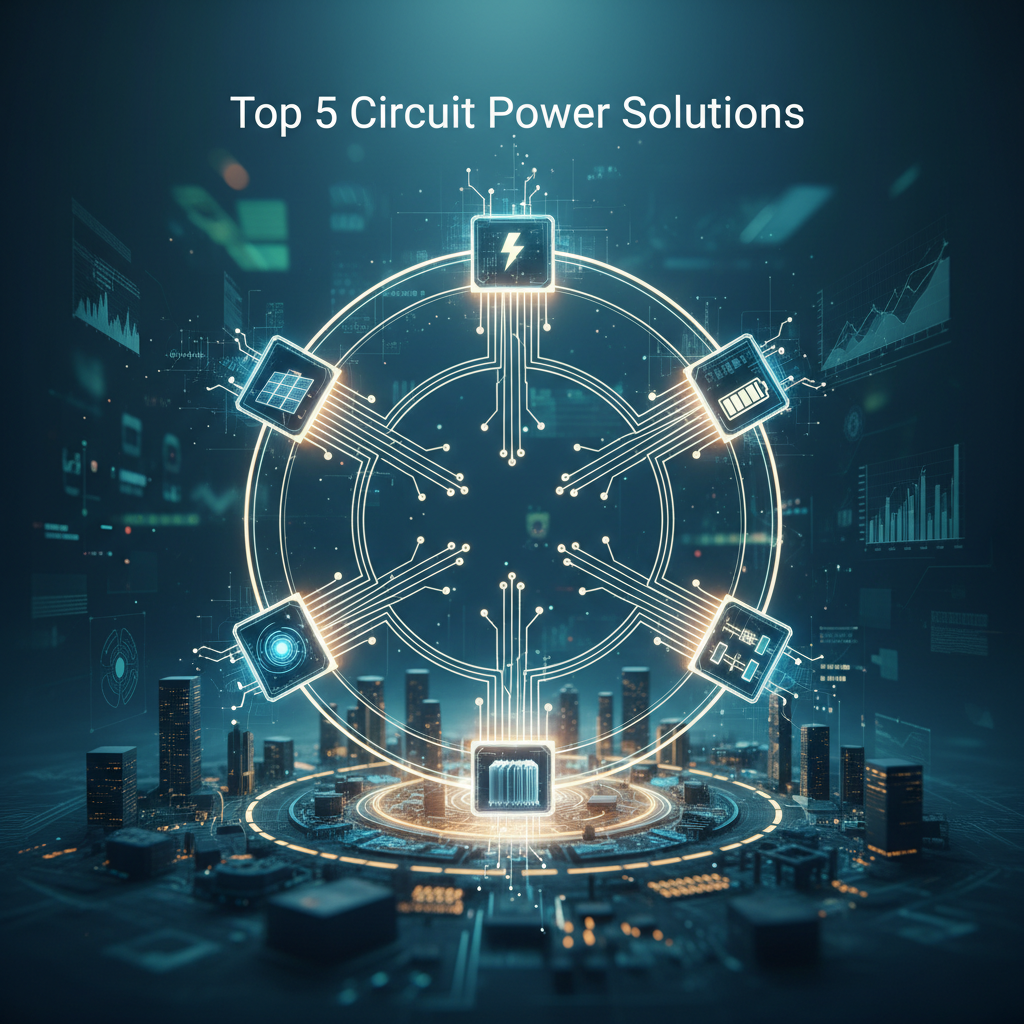
As businesses strive for greater sustainability and operational efficiency, the focus on circuit power management
solutions has intensified. A study by Bloomberg New Energy Finance estimates that energy-related technology
investments will reach $28 trillion by 2030, reflecting a growing acknowledgment that
optimized circuit power systems are essential for reducing carbon footprints and meeting regulatory standards.
This article delves into the top five circuit power solutions driving efficiency in today's electronics, highlighting
their potential to transform the landscape of digital technology while addressing the pressing challenges of energy
consumption and environmental impact.
Innovative Voltage Regulators Enhancing Power Efficiency in Devices
Innovative voltage regulators are transforming the landscape of power efficiency in modern electronic devices. As electronic components become smaller and more powerful, the need for sophisticated voltage regulation has never been greater. These regulators not only ensure that devices receive the correct voltage but also significantly reduce energy losses, making them essential in applications ranging from smartphones to industrial machinery.
One key tip for improving power efficiency is to choose the right voltage regulator for your specific application. Switching regulators, for instance, offer higher efficiency compared to linear regulators, particularly in battery-operated devices. By selecting a regulator that meets the voltage and current requirements while minimizing energy waste, engineers can enhance the overall performance of their designs.
Another effective strategy is to implement dynamic voltage scaling, which allows the voltage supply to adjust based on load demands. This adaptability not only improves efficiency but also extends the lifespan of electronic components. By integrating innovative voltage regulation techniques such as these, manufacturers can create more sustainable and energy-efficient products that meet the growing demands of modern technology.
Advanced Power Management ICs for Extensive Battery Life
In the realm of modern electronics, advanced power management integrated circuits (PMICs) play a crucial role in extending battery life across various devices. These sophisticated components not only regulate voltage and current but also optimize power efficiency, enabling devices to run longer on a single charge. With the increasing demand for portable electronics, the significance of PMICs has never been more pronounced as they integrate multiple functions into compact designs, minimizing the need for additional components.
**Tip:** Consider choosing PMICs that support dynamic voltage scaling. This feature allows the system to adjust power consumption based on operational needs, significantly enhancing battery longevity.
Moreover, innovative features such as peak current limiting and thermal regulation are designed to protect battery health. The incorporation of intelligent battery management systems within PMICs further ensures that charging cycles are optimized, which can prolong the overall lifespan of the battery.
**Tip:** When designing circuits, assess the compatibility of the PMIC with the battery chemistry in use. This alignment can lead to more efficient charging and discharging processes.
Emerging Technologies in GaN and SiC for Reduced Power Loss
The rapid evolution of modern electronics demands innovative solutions to improve energy efficiency, and Gallium Nitride (GaN) and Silicon Carbide (SiC) are leading the charge. These materials exhibit remarkable properties that allow for higher switching frequencies and superior thermal performance. By adopting GaN and SiC technologies, electronic devices can significantly reduce power losses, thereby enhancing overall performance and reliability.
Tips for engineers looking to integrate these technologies include conducting thorough thermal management assessments due to the unique thermal characteristics of GaN and SiC. Additionally, it's crucial to optimize the circuit design to fully leverage the benefits of high-frequency operation.
As these technologies continue to evolve, manufacturers should also keep an eye on system-level considerations. Understanding how GaN and SiC interact with existing components can lead to a more efficient overall system design. Ensuring compatibility with legacy systems is essential for a seamless transition to advanced power solutions.
Top 5 Circuit Power Solutions Driving Efficiency in Modern Electronics
| Technology |
Material |
Efficiency (%) |
Power Density (W/in³) |
Switching Speed (kHz) |
| GaN HEMT |
Gallium Nitride |
95 |
200 |
500 |
| SiC MOSFET |
Silicon Carbide |
90 |
150 |
250 |
| GaN IC |
Gallium Nitride |
92 |
175 |
450 |
| SiC Diode |
Silicon Carbide |
88 |
120 |
300 |
| GaN Power Module |
Gallium Nitride |
94 |
225 |
600 |
Intelligent Load Management Techniques for Energy Conservation
Efficient energy usage is becoming increasingly crucial in modern electronics, and intelligent load management techniques serve as a pivotal strategy for energy conservation. By strategically controlling the power distribution within devices, these techniques help minimize energy waste while maintaining optimal performance. Utilizing advanced algorithms and smart sensors, systems can adapt their power consumption based on real-time demand, ultimately leading to significant energy savings.
One effective tip for implementing intelligent load management is to assess your energy usage patterns regularly. By identifying peak usage times and adjusting load distribution accordingly, you can optimize efficiency. Additionally, consider integrating programmable timers or smart plugs to automate this process, ensuring that devices operate only when necessary.
Another useful approach is to prioritize the use of energy-efficient components within your electronics. Selecting components that not only meet performance requirements but also feature built-in energy-saving technologies can make a noticeable difference in overall power consumption. Investing in these technologies may require higher upfront costs, but the long-term savings and environmental benefits are invaluable.
Future Trends in Integrated Circuit Design for Optimal Performance
The future trends in integrated circuit design are increasingly focused on optimizing performance while enhancing energy efficiency. As electronic devices become more sophisticated, the demand for innovative power solutions is intensifying. Designers are now leveraging advanced materials and processes, such as silicon carbide and gallium nitride, to create circuits that operate effectively at higher voltages and temperatures. These materials not only improve the efficiency of power conversion but also contribute to smaller, lighter designs capable of handling increased performance demands.
Furthermore, the integration of artificial intelligence in circuit design is revolutionizing the approach to optimizing power management. Adaptive systems that utilize machine learning can dynamically adjust power usage based on real-time conditions, leading to significant reductions in energy waste. Additionally, enhanced simulation tools are enabling engineers to model and predict circuit behavior more accurately, ensuring that designs are not only efficient but also reliable. This evolution in integrated circuit design signifies a critical shift towards ensuring that future electronics deliver optimal performance while aligning with global sustainability goals.
 Skip to content