2025 How to Successfully Install Electrical Wiring Using Industry Best Practices
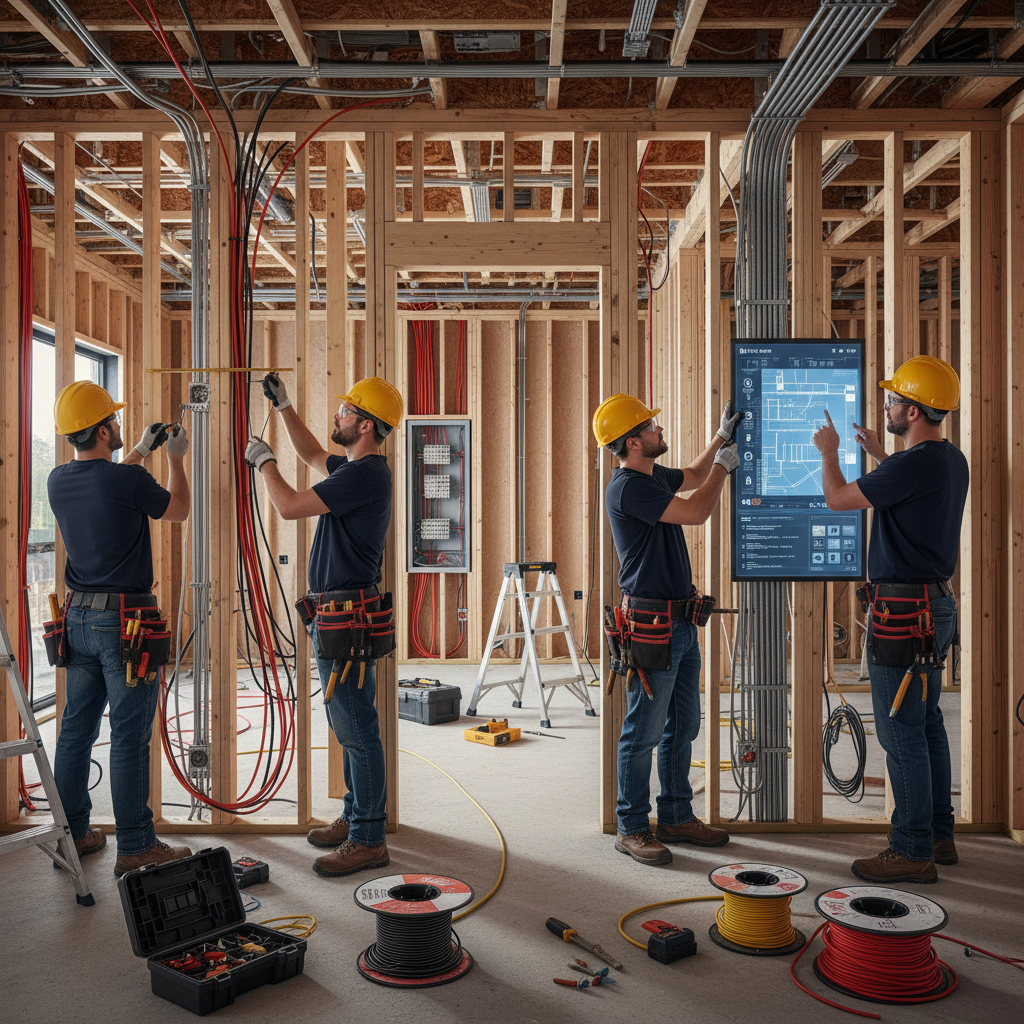
In the ever-evolving world of construction and home improvement, ensuring the safety and efficiency of electrical systems is paramount. As we look ahead to 2025, understanding the best practices for installing electrical wiring becomes crucial for both professionals and DIY enthusiasts. The proper installation of electrical wiring not only guarantees a reliable power supply but also minimizes the risk of hazards such as electrical fires or equipment failures.
This article delves into the top 10 best practices for successfully installing electrical wiring, providing a comprehensive guide that emphasizes safety, compliance with local codes, and the use of high-quality materials. By adhering to these industry standards, electricians can enhance their expertise and contribute to the overall safety and functionality of electrical systems in homes and businesses alike. Through careful planning, execution, and adherence to established guidelines, we can ensure that any electrical wiring installation is both effective and secure, paving the way for a brighter and safer future.
Choosing the Right Electrical Wiring Materials for Optimal Performance
Choosing the right electrical wiring materials is critical for ensuring optimal performance and safety in any electrical installation. High-quality materials not only enhance the longevity of the wiring system but also reduce the risk of failure or hazards associated with electrical fires. When selecting wiring, it is essential to consider factors such as wire gauge, insulation type, and environmental conditions. For instance, outdoor wiring may require more robust insulation to withstand moisture and temperature variations, while indoor installations can utilize standard insulation materials.
In addition, the choice between copper and aluminum wiring plays a significant role in overall system performance. Copper, known for its superior conductivity, is often recommended for residential applications, providing improved efficiency and lower energy losses. On the other hand, aluminum wiring can be a cost-effective alternative in larger installations, though it necessitates careful considerations regarding connections and potential expansion issues. By prioritizing the right materials tailored to specific applications, homeowners and electricians can ensure a reliable and safe electrical infrastructure that meets the demands of modern living.
Understanding National Electrical Code Requirements for Residential Wiring
When tackling a residential wiring project, understanding the National Electrical Code (NEC) requirements is crucial for ensuring safety and compliance. The NEC provides guidelines that help minimize the risks of electrical fires and shocks. Familiarize yourself with the relevant sections of the code that pertain to your specific installation to avoid any costly mistakes or potential hazards.
**Tips:** Always start by checking for local amendments to the NEC, as some jurisdictions may have additional requirements. Use quality materials that meet or exceed NEC specifications to ensure durability and safety. Properly labeling circuit breakers and ensuring connections are secure can save time and enhance safety during future electrical work.
In addition to following code requirements, it's also essential to incorporate best practices during installation. For instance, when running wires, maintain proper spacing and avoid overcrowding in junction boxes. This promotes air circulation and prevents overheating. Always remember to turn off power at the main breaker before beginning any work, as this is a fundamental safety measure that cannot be overlooked.
Essential Tools and Techniques for Safe and Efficient Wiring Installation
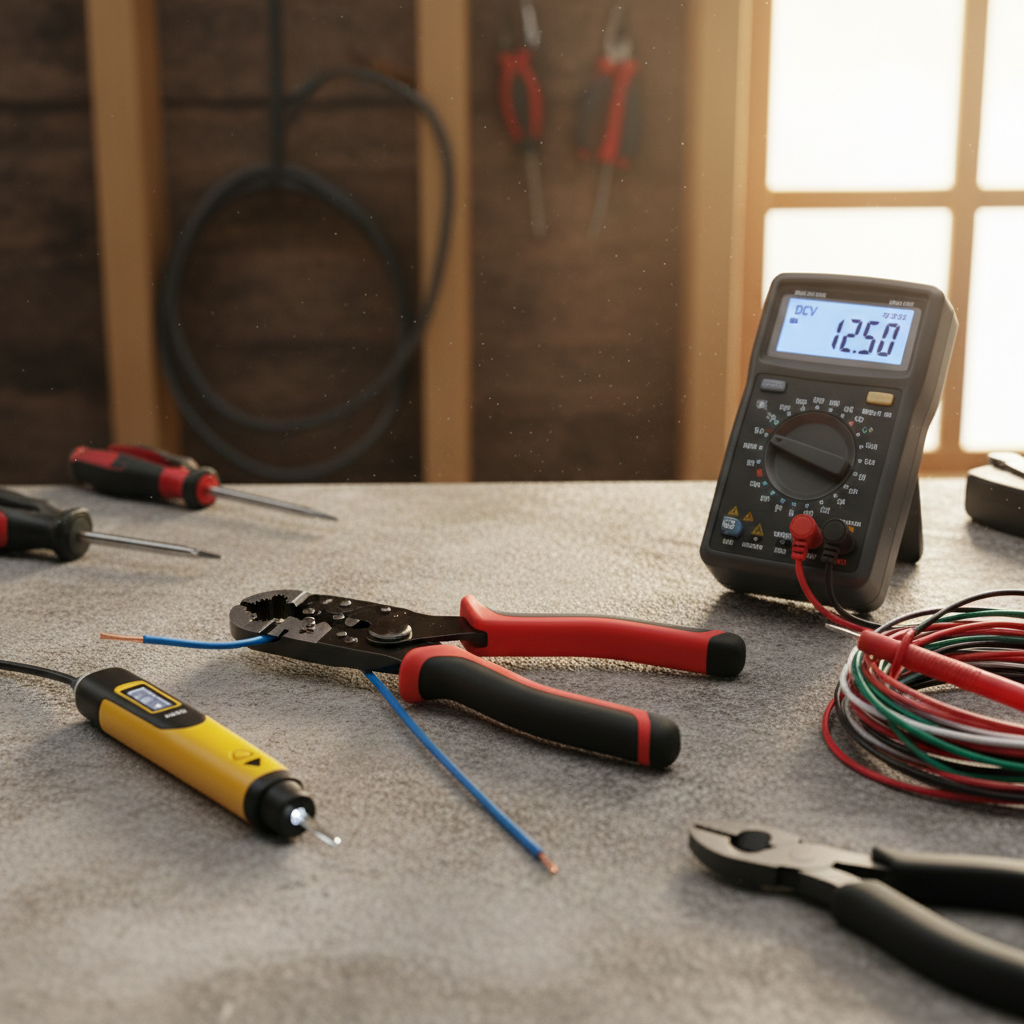
When installing electrical wiring, utilizing the right tools and techniques is crucial for ensuring safety and efficiency. Some essential tools for any wiring project include a wire stripper, voltage tester, and a high-quality multimeter. These tools not only make the installation process smoother but also help prevent potential electrical hazards.
Tips: Always choose a wire stripper that matches the gauge of the wire you're working with, as this will prevent damage to the conductor. Before starting any work, a voltage tester should be used to confirm that the circuit is free of electricity—this step is vital to ensure your safety.
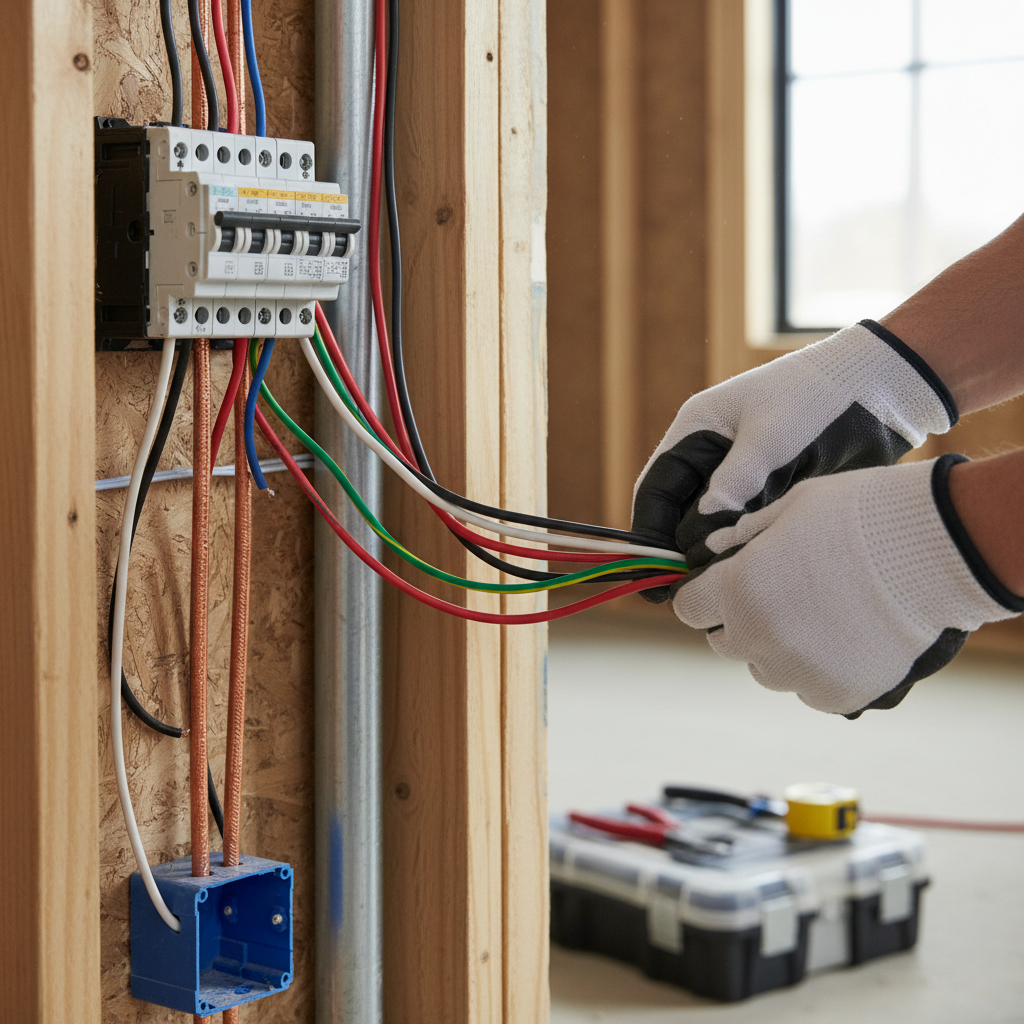
In addition to tools, employing best practices in wiring techniques is equally important. For instance, ensure that all connections are secure and properly insulated to avoid short circuits. When routing wires, organize them neatly to facilitate future maintenance and inspections.
Tips: Use cable ties or clamps to keep wires organized and avoid the risk of them being damaged or causing interference with other systems. Always adhere to local electrical codes to ensure compliance and safety in your installation.
Best Practices for Ensuring Electrical Safety During Installation
When it comes to electrical wiring installation, ensuring safety is paramount. Following best practices can significantly mitigate risks associated with electrical hazards. It’s essential to use high-quality materials and comply with local codes during installation. This includes selecting wiring that can handle the required load and using appropriate circuit breakers. Adequate grounding and bonding techniques are also crucial to protect both equipment and personnel from electrical surges and faults.
Moreover, the deployment of advanced technologies like uninterruptible power supplies (UPS) enhances electrical safety by providing backup power and protecting against outages. Recent developments in UPS technology allow for easier integration with industrial control systems, ensuring reliable power supply even in extreme conditions. With proper installation and regular maintenance, these systems can minimize downtime and reduce risks associated with power interruptions, ultimately contributing to a safer working environment. It's imperative to stay updated on the latest industry standards and practices to ensure a thorough understanding of how to maintain electrical safety throughout the installation process.
Troubleshooting Common Wiring Issues: Strategies for Success
When installing electrical wiring, troubleshooting common issues is essential for achieving a successful outcome. One of the most prevalent problems is incorrect wiring connections, which can lead to short circuits and potential hazards. To avoid this, it is crucial to double-check all connections against the wiring diagram before powering up the system. Using a multimeter can help verify the integrity of the connections, ensuring that each wire is correctly placed and firmly secured.
Another common issue arises from inadequate circuit load management. Overloading a circuit can cause breakers to trip and increase the risk of electrical fires. To mitigate this risk, it is important to calculate the load requirements accurately and distribute them across multiple circuits if necessary. Paying attention to the wire gauge is also vital; using the appropriate gauge for the current load will prevent overheating and maintain safe operation. By implementing these strategies, both novice and experienced electricians can navigate common wiring challenges effectively, leading to a safer and more efficient installation.
 Skip to content