Why Are Disconnect Switches Essential for Electrical Safety and Efficiency
Disconnect switches play a crucial role in the realm of electrical safety and efficiency, serving as a vital component in both residential and industrial settings. Their primary function is to provide a means of safely disconnecting electrical circuits, ensuring that maintenance and repairs can be performed without the risk of electric shock. By facilitating the controlled interruption of power supply, disconnect switches not only protect technicians and engineers but also prevent potential equipment failures and electrical fires, thus safeguarding property and lives.
In addition to enhancing safety, disconnect switches contribute to the overall efficiency of electrical systems. By allowing for quick isolation of circuits, these switches enable routine maintenance and inspection without disrupting entire systems. This capability is particularly important in complex electrical networks where downtime can lead to significant productivity losses. Furthermore, regular use of disconnect switches helps maintain the integrity of electrical installations, ultimately extending the lifespan of equipment and promoting energy conservation.
The significance of disconnect switches in achieving electrical safety and operational efficiency cannot be overstated. As industries continue to advance and reliance on electricity grows, the proper implementation and use of disconnect switches will remain essential in mitigating risks and enhancing the performance of electrical systems. Therefore, understanding their function and importance is imperative for anyone involved in electrical management and safety protocols.
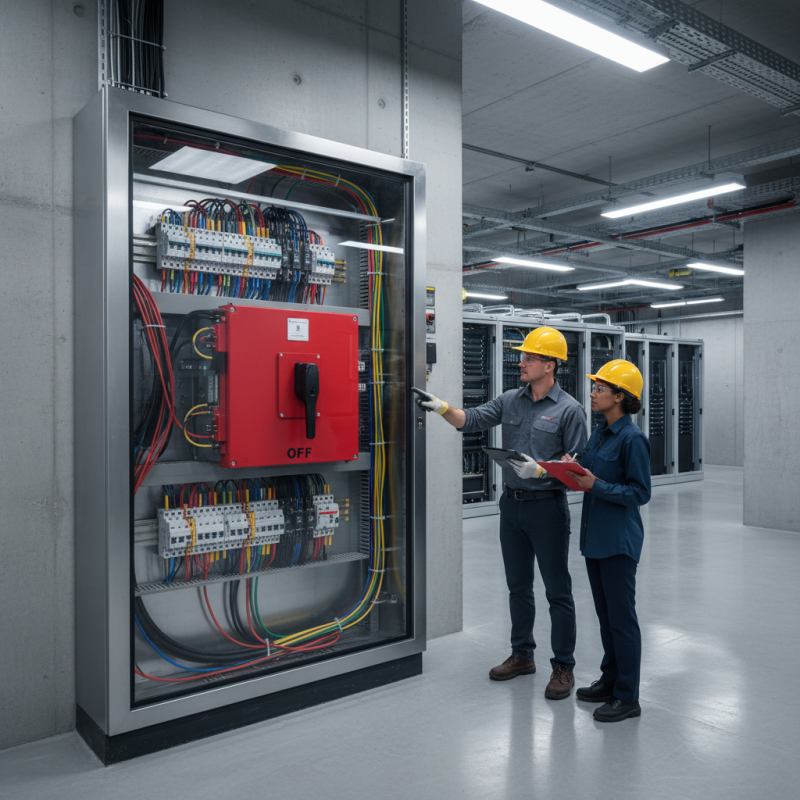
Importance of Disconnect Switches in Electrical Systems
Disconnect switches play a crucial role in maintaining electrical safety and efficiency across various industrial and commercial applications. According to the National Fire Protection Association (NFPA), electrical failures are a leading cause of workplace fires, contributing to 8% of all reported incidents. The installation of disconnect switches allows for the safe isolation of electrical circuits, minimizing the risk of accidental electrocution and enabling safer maintenance practices. By providing a clear cut-off point, these switches ensure that technicians can perform their work with enhanced protection against live electrical equipment.
Moreover, disconnect switches contribute significantly to the overall efficiency of electrical systems. A report from the U.S. Department of Energy highlights that proper disconnecting means can prevent energy waste by allowing easy shut-off of non-essential electrical loads. This becomes especially important in large facilities where energy management directly impacts operational costs. By implementing disconnect switches, facilities can also comply with safety standards outlined in regulations like the National Electrical Code (NEC), which mandates the presence of accessible disconnects for equipment servicing. Thus, they not only enhance safety but also promote energy efficiency, making them indispensable components in modern electrical systems.
Functions and Types of Disconnect Switches
Disconnect switches are crucial components in electrical systems, playing a vital role in ensuring safety and operational efficiency. These devices are designed to isolate electrical circuits from their power sources, facilitating maintenance and preventing potential accidents caused by electrical faults. Disconnect switches can be categorized into several types, each serving specific functions based on the application and system requirements.
There are mainly two types of disconnect switches: load break switches and non-load break switches. Load break switches allow for the disconnection of circuits under load conditions, meaning they can interrupt current while the system is operating. This feature is essential for switching tasks without needing to shut down the entire system, improving overall efficiency during maintenance. On the other hand, non-load break switches are used to isolate equipment when no current is flowing. These switches are typically employed in situations where maintenance work is required on inactive circuits, ensuring a safe working environment.
In addition to their primary function of disconnection, these switches often feature additional functionalities such as visible break indication and interlocks that enhance safety during operation. By adopting the appropriate type of disconnect switch, electrical systems can remain safe and efficient, effectively minimizing the risks associated with electrical failures and ensuring that maintenance can be performed safely and effectively.
Why Are Disconnect Switches Essential for Electrical Safety and Efficiency
| Type of Disconnect Switch |
Function |
Application Area |
Safety Features |
Efficiency Benefits |
| Manual Disconnect Switch |
Manually isolates electrical equipment from the power source. |
Residential and commercial wiring. |
Visible break indication; non-loading disconnection. |
Reduces potential equipment damage during maintenance. |
| Automatic Disconnect Switch |
Automatically disconnects the load in case of a fault. |
Industrial equipment and commercial setups. |
Immediate fault isolation; enhanced protection measures. |
Minimizes downtime and enhances operational reliability. |
| Load Break Switch |
Allows for switching of loads while under load. |
Power distribution in commercial settings. |
Load breaking capability; improved safety measures. |
Increases reliability by enabling maintenance without power loss. |
| Base Mounted Switch |
Serves as a backup power switch for generators. |
Generator installations and backup systems. |
Easy access for maintenance; integrated safety mechanisms. |
Ensures reliability during power outages and maintenance work. |
Safety Benefits of Using Disconnect Switches
Disconnect switches play a pivotal role in ensuring electrical safety within various settings, including industrial and commercial environments. These devices provide a reliable means to isolate electrical circuits, enabling maintenance and repair work to be conducted safely. When a disconnect switch is engaged, it removes the power supply to specific equipment, significantly reducing the risk of electric shock or accidental energization during service operations. This essential function underscores the importance of disconnect switches as a protective measure in safeguarding personnel working with or near electrical systems.
Moreover, the use of disconnect switches contributes to overall operational efficiency. By allowing for quick and easy disconnection of power sources, these switches facilitate routine checks and emergency interventions without unnecessary downtime. Their presence in an electrical distribution system ensures that, in the event of an emergency, operators can swiftly isolate systems, thereby minimizing hazards and enhancing response times. Consequently, disconnect switches not only bolster safety but also support uninterrupted workflow and equipment longevity. Their integration into electrical systems is a critical consideration for promoting safe and efficient operational practices.
Safety Benefits of Using Disconnect Switches
Impact of Disconnect Switches on Energy Efficiency
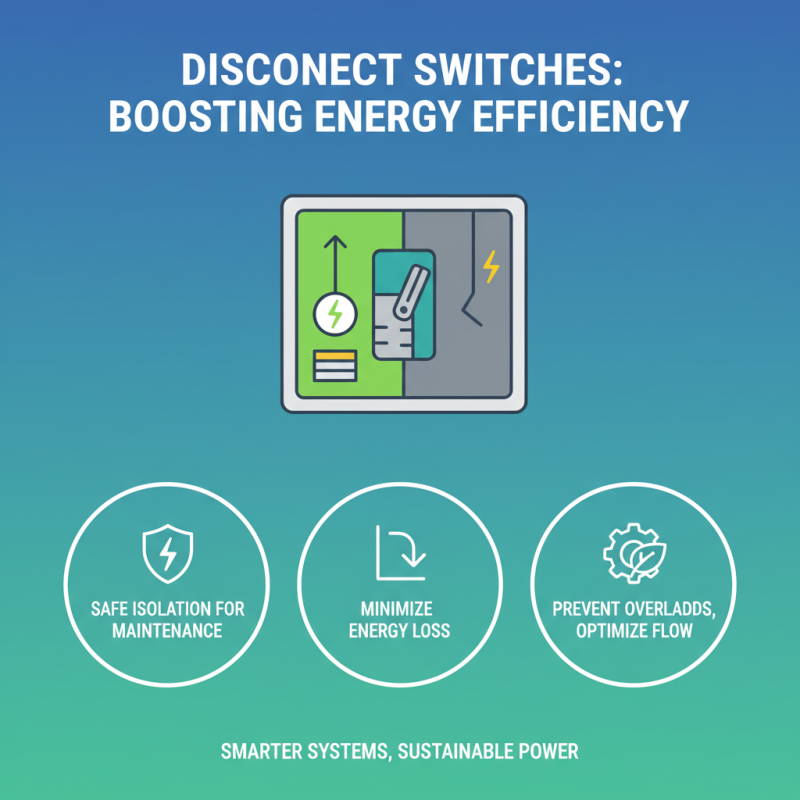
Disconnect switches play a pivotal role in enhancing energy efficiency within electrical systems by ensuring safe isolation of electrical circuits. When maintenance or repairs are necessary, these switches allow technicians to disconnect power without interrupting the entire system, thereby minimizing energy loss. The ability to isolate specific sections of an electrical network reduces the risk of overloads and faults, thereby maintaining optimal energy flow and improving the overall efficiency of electrical operations.
Moreover, the strategic placement of disconnect switches facilitates better management of energy consumption. By enabling operators to isolate non-essential loads during off-peak hours, disconnect switches help in reducing wasted energy, which is crucial for both operational costs and environmental sustainability. This practice not only contributes to a more efficient energy system but also supports ongoing efforts to reduce carbon footprints, ultimately promoting a more sustainable approach to energy use in various sectors.
Best Practices for Installing and Maintaining Disconnect Switches
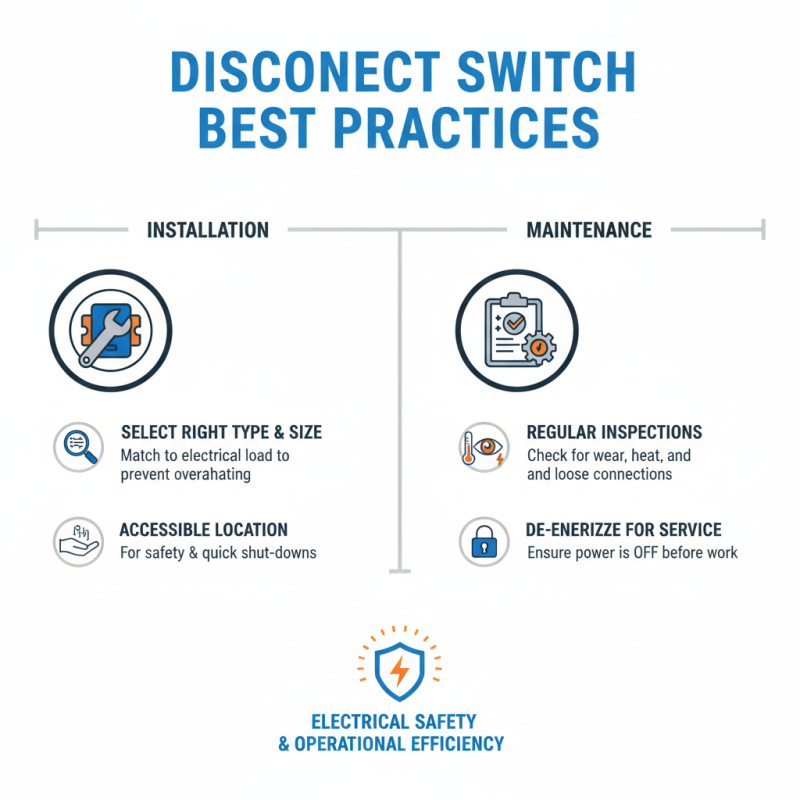
When it comes to installing and maintaining disconnect switches, following best practices is crucial for ensuring both electrical safety and operational efficiency. First and foremost, it is essential to select the appropriate type and size of disconnect switch based on the specific electrical load and application. Proper sizing helps to avoid overheating and ensures the switch can handle the maximum load without failure. Additionally, the installation location should be easily accessible for routine maintenance and emergency shut-downs, allowing for quick and safe operation.
Regular maintenance is equally important in prolonging the life of disconnect switches and preventing unexpected downtime. This includes routine inspections for signs of wear, corrosion, or overheating. Keeping the surrounding area clean and free from obstructions can also minimize risks and enhance reliability. Furthermore, conducting periodic testing of the switch operation and connections will help identify potential issues before they escalate into serious problems. These best practices not only contribute to safety but also ensure that the disconnect switches perform efficiently over their lifespan, maintaining a reliable electrical system.
 Skip to content