2025 How to Choose the Right Disconnect Switch for Your Electrical Needs
In the world of electrical systems, the importance of choosing the right disconnect switch cannot be overstated. Disconnect switches serve as a critical safety mechanism, allowing users to cut off power supply for maintenance or emergency situations. According to industry expert John Smith, a renowned electrical engineer, "Selecting the appropriate disconnect switch is essential for ensuring both safety and efficiency in any electrical installation." His insights highlight the key considerations that must be taken into account when making this vital decision.
As we approach 2025, advancements in technology and increasing safety regulations make it imperative for both homeowners and businesses to understand their electrical needs and the role disconnect switches play within their systems. With numerous types and specifications available on the market, understanding the nuances of these switches becomes critical. Whether you are looking to upgrade your existing system or design a new one, knowing the proper disconnect switch for your application can prevent costly downtime and enhance overall safety.
In this article, we will explore the essential factors you need to consider when selecting disconnect switches in order to meet your unique electrical requirements effectively. From voltage ratings to environmental considerations, understanding these elements will empower you to make informed decisions that protect both your equipment and your personnel.

Understanding the Purpose of Disconnect Switches in Electrical Systems
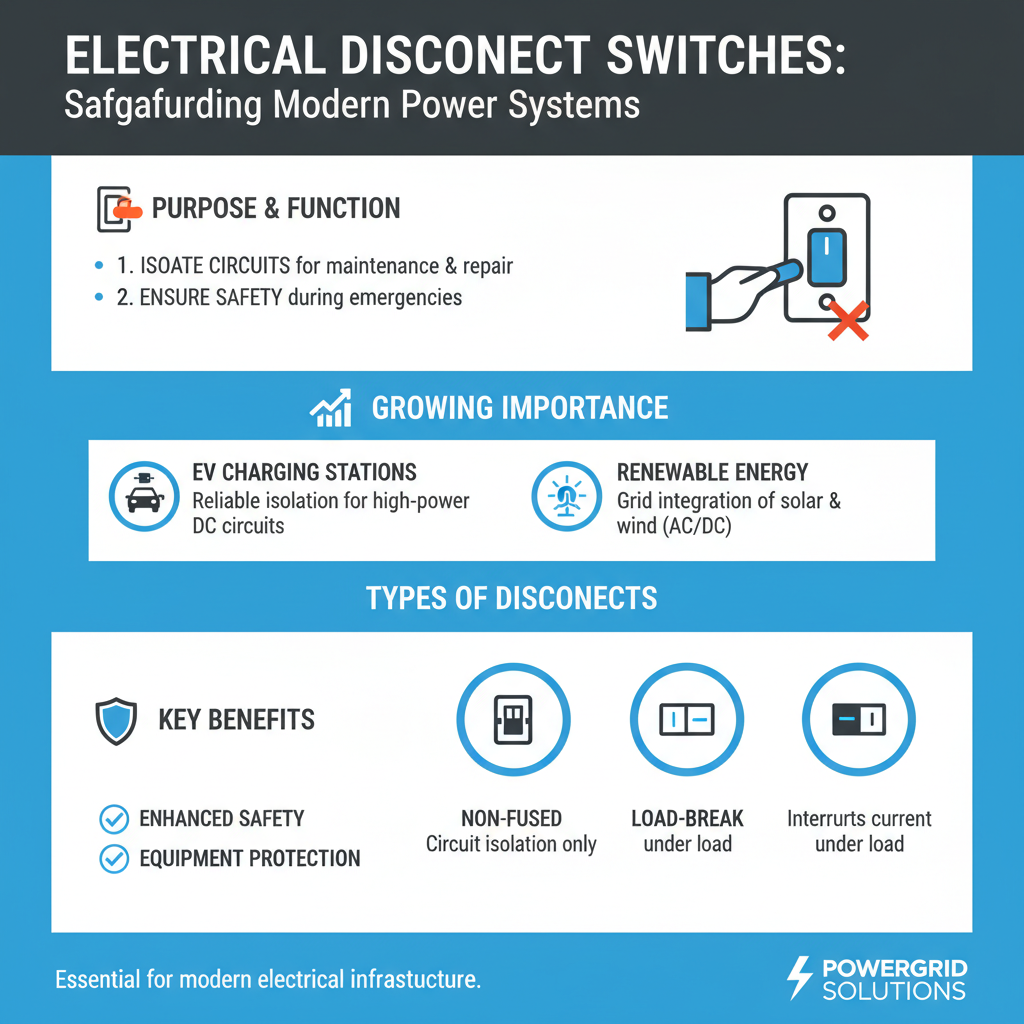
Disconnect switches play a crucial role in electrical systems, providing a means to isolate circuits and ensure safety during maintenance or emergencies. Understanding their purpose is vital for anyone involved in electrical installations, especially given the growing complexity of modern systems that support technologies like electric vehicle (EV) charging and renewable energy infrastructure. As more EV charging stations are deployed and renewable energy sources are integrated into the grid, the need for reliable and effective disconnect switches becomes paramount.
When selecting a disconnect switch, consider the specific requirements of your electrical system. Look for features like voltage rating, current capacity, and environmental suitability. For instance, if the switch will be used in an outdoor setting, make sure it is weather-resistant. Additionally, select a switch that can handle the increased load from Level 2 EV chargers, as these draw more power than standard outlets.
Tips for selecting the right disconnect switch include assessing your power needs, considering the frequency of use, and ensuring compliance with local electrical codes. Always opt for a switch that provides clear visibility of its operational status, which will help in quickly identifying whether the circuit is open or closed. This is especially important for installations involving renewable energy systems, where rapid disconnection can be crucial for safety.
Identifying Your Electrical Load and Requirements for Disconnect Switches
When selecting the right disconnect switch for your electrical needs, the first step is to accurately identify your electrical load and requirements. This involves calculating the total amperage of the devices that will be connected. Understanding whether your load is continuous or non-continuous will help determine the correct rating and type of switch needed. Remember to consider factors like voltage, frequency, and the nature of your loads—whether they are resistive, inductive, or capacitive, as this will influence the switch's performance.
**Tips:**
1. Always add a safety margin to your load calculations to ensure reliable operation under unexpected conditions.
2. Consult the manufacturer’s specifications for the disconnect switch to verify it can handle your electrical load and environmental conditions.
3. Consider the location and accessibility of the disconnect switch. It should be easily reachable and clearly marked for safety during maintenance or emergencies.
By meticulously assessing your electrical load and adhering to these tips, you can select a disconnect switch that meets your needs while maintaining safety and efficiency in your electrical system.
2025 How to Choose the Right Disconnect Switch for Your Electrical Needs
| Electrical Load Type |
Disconnect Switch Amperage |
Voltage Rating (V) |
Enclosure Type |
Usage Environment |
| Residential Lighting |
30A |
120/240V |
NEMA 1 |
Indoor |
| Commercial HVAC |
60A |
240V |
NEMA 3R |
Outdoor |
| Industrial Machinery |
100A |
480V |
NEMA 4 |
Indoor/Outdoor |
| Backup Generators |
200A |
120/240V |
NEMA 3R |
Outdoor |
| Renewable Energy Systems |
40A |
600V |
NEMA 4X |
Outdoor |
Types of Disconnect Switches and Their Applications in Various Industries
The disconnect switch is a crucial component in electrical systems, ensuring safety and control in various industrial applications. As per market research, the global panel mount disconnect switch market is anticipated to expand significantly, with projections indicating growth from $7.64 billion in 2025 to $12.22 billion by 2032, reflecting a compound annual growth rate (CAGR) of 6.95%. This trend underscores the increasing demand for reliable disconnect solutions across multiple sectors, including manufacturing, energy, and telecommunications.
Different types of disconnect switches serve distinct functions based on the industry requirements. For instance, knife switches are predominantly used in high-voltage applications due to their ability to handle greater electrical loads, while rotary disconnect switches offer versatility and ease of operation, making them ideal for residential and light commercial uses. In addition, the growing emphasis on safety regulations and the need for efficient electrical management systems are driving innovations in disconnect switch designs. As industries continue to evolve, understanding the specific applications and advantages of each disconnect switch type remains essential for optimizing electrical setups.
Key Factors to Consider When Selecting a Disconnect Switch
When selecting a disconnect switch for your electrical needs, several key factors should be considered to ensure safe and efficient operation. One crucial aspect is the switch's rating, which must align with the specific voltage and current requirements of your equipment. According to industry reports, the global industrial disconnect switch market reached a valuation of $4.75 billion in 2024, and it is projected to grow to $4.99 billion in 2025. This indicates a rising demand for these devices, highlighting the importance of choosing one that meets operational standards and safety protocols.
Another factor is the environment in which the switch will be used. For instance, switches utilized in harsh industrial settings may require additional protective features to safeguard against dust, moisture, and extreme temperatures. These considerations play a role in enhancing operational reliability and extending the lifespan of the equipment. Additionally, understanding the installation requirements and maintenance needs is vital for any disconnect switch you choose, ensuring it functions optimally and provides the necessary protection for both personnel and machinery.
2025 Disconnect Switch Selection Criteria
This chart illustrates the key factors to consider when selecting a disconnect switch for your electrical needs, highlighting their importance levels from 0 to 100. Current and voltage ratings are the most crucial parameters, followed by environmental considerations and switch type preferences.
Installation and Safety Guidelines for Disconnect Switches in Your Setup
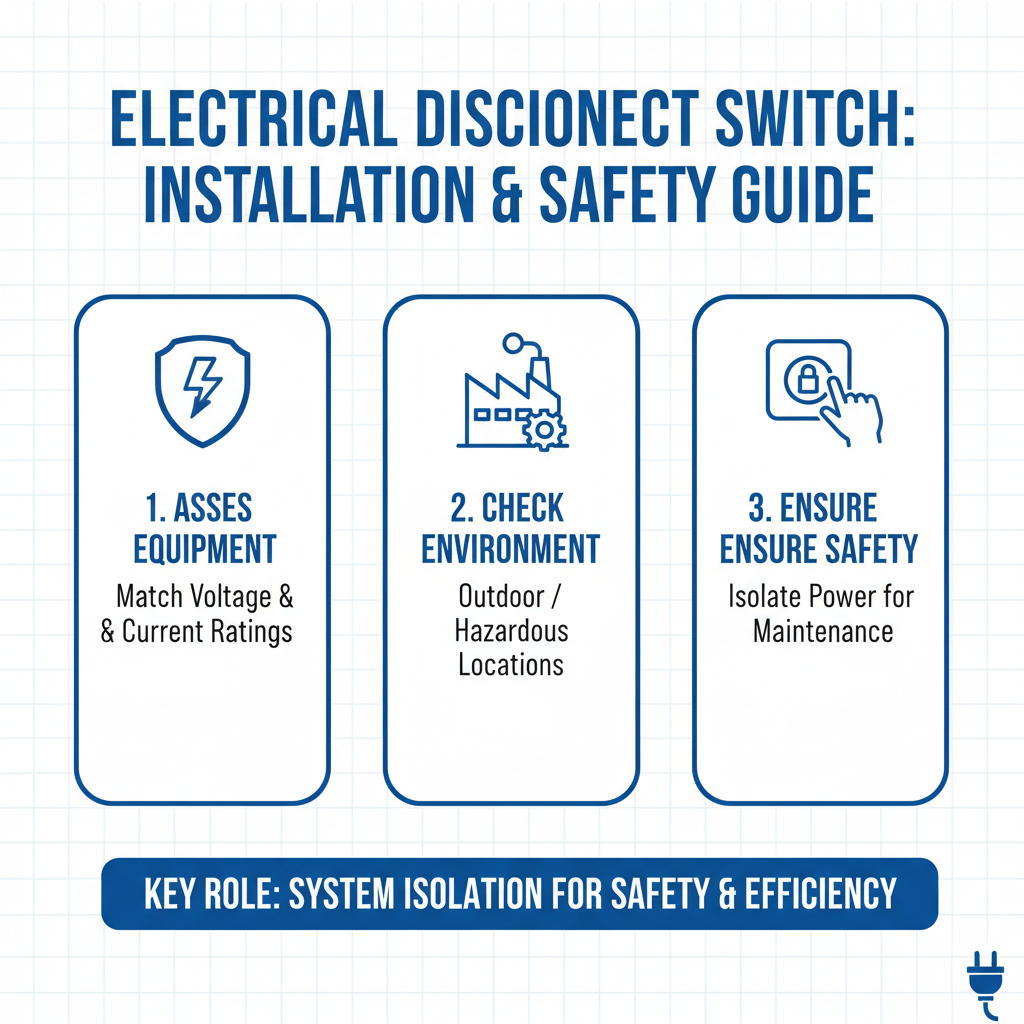
When selecting a disconnect switch for your electrical setup, it's essential to follow proper installation and safety guidelines. Disconnect switches play a crucial role in ensuring the safety of electrical systems by allowing users to isolate electrical equipment from power sources during maintenance or emergency situations. Before installation, assessing the voltage and current ratings of your equipment is vital to ensure compatibility with the chosen switch. Additionally, considering the environmental conditions where the switch will be installed—such as outdoor exposure or hazardous locations—can significantly impact both the safety and efficiency of the setup.
Safety protocols must also be adhered to during and after installation to prevent accidents. Always ensure that the power is turned off before working on or installing electrical components and use appropriate personal protective equipment. Regular maintenance checks should be scheduled to confirm that the disconnect switch remains in good working condition, free from dust, corrosion, or other potential barriers that could impair its function. By following these guidelines, you can enhance the safety and reliability of your electrical systems, especially in rapidly expanding sectors like EV charging and renewable infrastructure.
 Skip to content