Best 10 Circuit Control Techniques You Need to Know for Your Projects
In the rapidly evolving landscape of electronics, effective circuit control techniques play a pivotal role in the success of engineering projects. According to a report by the International Electrotechnical Commission, the global market for advanced circuit control systems is projected to reach $10 billion by 2025, reflecting the increasing demand for precision and efficiency in electronic design. As industries leverage automation and smart technologies, mastering circuit control becomes essential for engineers and developers alike.
Circuit control techniques encompass a variety of methodologies that enable designers to manipulate electrical signals effectively, ensuring reliable operation and optimal performance of electronic devices. A comprehensive understanding of these techniques not only enhances project outcomes but also contributes to the overall advancement of technology. Furthermore, the growing emphasis on energy efficiency and sustainability within the sector has prompted innovation in circuit control strategies, as highlighted in a recent study by the IEEE, which indicates that innovative circuit designs could reduce energy consumption by approximately 30%.
In light of these developments, this article presents the ten indispensable circuit control techniques that professionals need to be aware of for their projects. By integrating these techniques, engineers can not only improve the functionality and reliability of their designs but also stay ahead in a competitive and fast-paced industry.

Overview of Circuit Control Techniques and Their Importance
Circuit control techniques are essential for ensuring the reliable and efficient operation of electronic circuits in various projects. These techniques encompass a range of methodologies that control the flow of electricity, manage system responses, and optimize performance. Understanding these methods is crucial for engineers and hobbyists alike, as they directly impact the functionality of devices, from simple circuits to complex automation systems.
When diving into circuit control, it’s essential to consider various tips to enhance your projects. First, always prototype your designs using simulation software before moving to physical assembly. This approach allows you to identify potential issues and make adjustments without wasting time or materials. Additionally, familiarize yourself with both analog and digital control techniques, as each has its benefits depending on the application. Lastly, pay attention to the power management aspects of your circuit; effective power distribution can significantly enhance the longevity and performance of your systems.
Moreover, prioritizing documentation throughout your project can streamline future modifications. Keeping detailed records of your circuit designs and control techniques used will not only help in troubleshooting but also serve as a valuable reference for future projects. Engaging with online communities or forums can provide insights and feedback, enriching your understanding of circuit control methods and their practical implementations.
Best 10 Circuit Control Techniques
This chart illustrates the effectiveness of different circuit control techniques based on their application frequency in various projects. The data represents a sample analysis of 10 popular techniques utilized in electronics.
Key Principles of Circuit Control for Effective Project Design
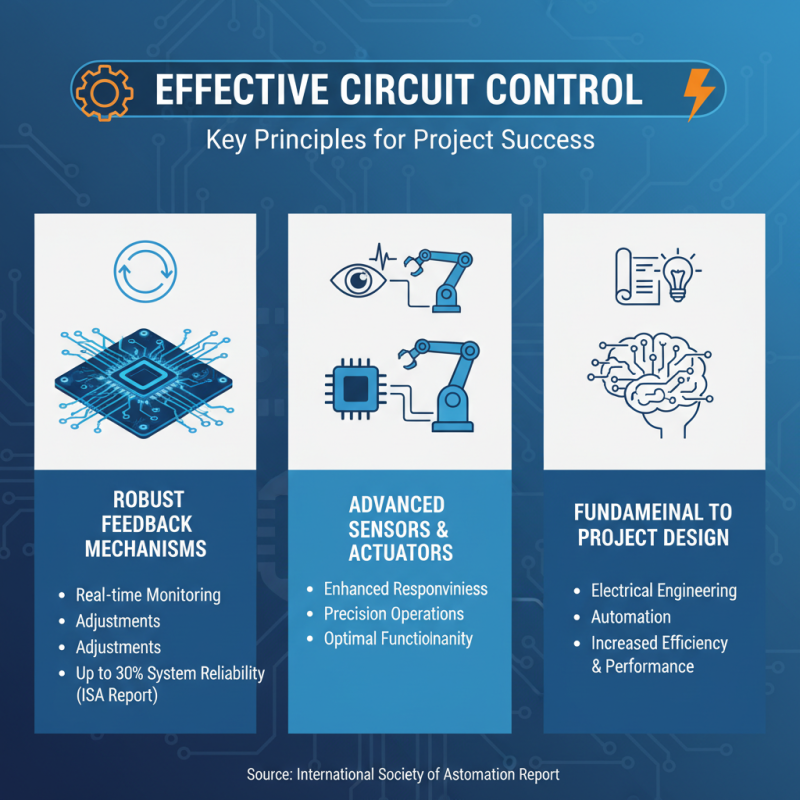
Effective circuit control is foundational to successful project design, particularly in the realm of electrical engineering and automation. Understanding the key principles of circuit control can significantly enhance project efficiency and performance. A critical principle is the implementation of robust feedback mechanisms, which allow for real-time monitoring and adjustments. According to a report by the International Society of Automation, projects that utilize effective feedback control systems can improve overall system reliability by up to 30%. Furthermore, integrating advanced sensors and actuators can enhance responsiveness and precision in circuit operations, thereby driving optimal functionality.
Another essential aspect is the consideration of circuit topology. The arrangement of components in a circuit directly affects performance metrics such as signal integrity and power consumption. A detailed analysis conducted by a leading electrical engineering journal indicated that selecting appropriate circuit configurations could lead to a reduction in energy losses by approximately 25%. Additionally, the choice of control strategies—inclusive of PID control, fuzzy logic, and relays—can notably impact the efficiency of operation. By aligning the control techniques with the specific goals of the project, engineers can tailor solutions that not only meet industry standards but also push the boundaries of innovation in circuit design.
Top 10 Circuit Control Techniques Explained
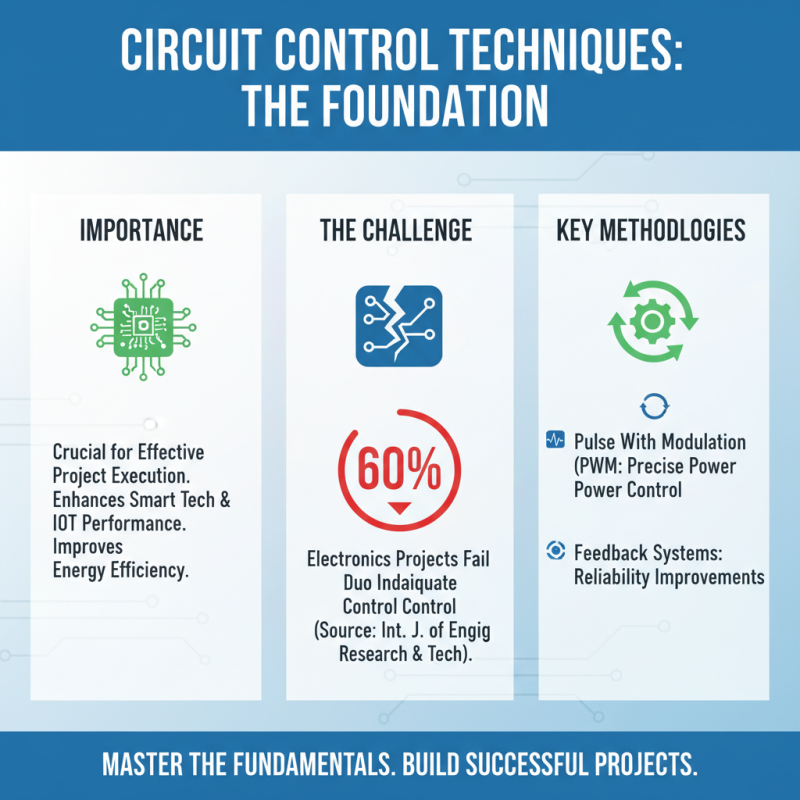
When it comes to circuit control techniques, understanding the fundamentals is crucial for effective project execution. With the rise of smart technology and IoT applications, mastering these techniques can significantly enhance performance and energy efficiency. According to a recent report by the International Journal of Engineering Research and Technology, approximately 60% of projects in electronics fail to meet their intended goals due to inadequate control techniques. This highlights the importance of incorporating proper methodologies in circuit design, such as pulse width modulation (PWM) for precise power control and feedback systems for reliability improvements.
Another promising technique is the implementation of fuzzy logic controllers, which have been shown to adapt quickly to changes in system dynamics. A study in the IEEE Transactions on Industrial Electronics states that fuzzy logic can outperform traditional PID controllers by up to 30% in complex environments. Additionally, the integration of linear programming methods can optimize circuit configurations, leading to improved efficiency in various applications. By focusing on these advanced circuit control techniques, engineers can create more robust and scalable designs, ultimately contributing to the advancement of modern electronic systems.
Comparative Analysis of Circuit Control Techniques in Different Applications
Circuit control techniques vary significantly across applications, each tailored to meet specific requirements in
functionality and efficiency.
In industrial automation, for instance,
PLC (Programmable Logic Controller) systems dominate due to their
reliability and flexibility in controlling complex machinery.
They allow for real-time monitoring and adjustments, making them ideal for processes where precision is
paramount.
On the other hand, microcontroller-based systems are increasingly preferred in low-power applications,
such as smart home devices, due to their compact size and ease of programming.
In consumer electronics, pulse width modulation (PWM) is a common technique used for
controlling the brightness of LEDs and the speed of motors. PWM adjusts the width of the pulse to efficiently
manage power consumption, demonstrating its importance in energy-sensitive applications.
Comparatively, in automotive systems,
closed-loop feedback control techniques are essential for ensuring
optimal performance and safety. These techniques utilize sensors to provide real-time data, enabling dynamic
adjustments to maintain desired operational conditions. The choice of circuit control technique is thus heavily influenced
by the specific requirements of the application, highlighting the necessity for
a tailored approach in circuit design.
Best Practices for Implementing Circuit Control Techniques in Projects
When implementing circuit control techniques in your projects, it’s vital to adhere to best practices that ensure efficiency and reliability. First and foremost, understanding the specific requirements of your project is essential. This includes determining the appropriate components that will handle the expected load and the environmental conditions. Proper documentation of circuit designs is also crucial; it not only aids in troubleshooting but also in achieving clear communication within the team. Utilizing simulation software can help visualize the circuit behavior before actual implementation, significantly reducing the risk of errors and unexpected failures.
Furthermore, incorporating modular design principles can enhance the flexibility and scalability of your projects. By creating separate modules for different functionalities, you can easily test and modify parts of your circuit without affecting the entire system. Additionally, prioritizing safety through robust grounding techniques and protective components is indispensable in preventing circuit failures and ensuring user safety. Regularly reviewing and maintaining circuit setups not only extends their lifespan but also promotes efficiency in performance, ensuring your projects remain at the forefront of innovation and reliability.
 Skip to content